
9 février 2026
Health Technologies
The health needs in Québec and Canada continue to increase, mostly due to an aging population, but also due to the influence of environmental factors and the emergence of new illnesses. In light of this, improving the availability and quality of health and wellness services is a critical issue, and we firmly believe that technology can be of service to this.
Therefore, we have decided to prioritize the design of innovative technologies intended to improve wellness and quality of life and to prevent, screen and treat health problems. Constantly seeking to offer tangible solutions, our research teams work closely with industrial partners and clinical staff within at hospitals.
Research directions in health technologies at ÉTS
- Medical imaging and deep neural learning; neuroimaging;
- Virtual and augmented reality in the field of rehabilitation engineering and virtual reality for the cognitive training of athletes;
- Speech recognition;
- Biomaterials;
- Modelling of physical and biological systems;
- Surgical simulation;
- Decision and diagnostic assistance;
- Design of orthopaedic implants;
- Virtual ergonomics, autonomy, mobility, exoskeletons and biomimicry;
- Personalized medicine.
Research chairs, labs and institutes related to Health Technologies
- Canada Research Chair in Neuroinformatics for Multimodal Data
- ÉTS-EERS Industrial Research Chair in In-Ear Technologies
- Marcelle-Gauvreau Engineering Research Chair in Mechanical Biomarkers
- Marcelle-Gauvreau Engineering Research Chair in Multimaterial and Multifunctional Photonic Devices
- GRAM – Acoustics Research Group in Montréal
- Neuro-iX Laboratory
- LAMSI – Shape Memory Alloys and Intelligent Systems Laboratory
- LATIS – Biomedical Information Processing Laboratory
- LIO-ÉTS – Open Innovation Laboratory in Health Technologies
- LIVE – Interventional Imaging Laboratory
- LIVIA – Imaging, Vision and Artificial Intelligence Laboratory
- LOFPA – Laboratoire d’optimisation des procédés de fabrication avancés
- POLYMERETS – Polymer Rheology and Physics Laboratory
- PULÉTS – Piezoelectricity, ULtrasonics technologies and materials Laboratory

Our research is about improving human care and health. We have a direct, measurable, rapid and visible impact. It’s very exciting. It’s a noble goal that resonates with me.
— Rita Noumeir: Machine Learning and Medicine, A Promising Future
Holding the Research Chair on the Development and Validation of Clinical Decision Support Systems with Professor Philippe Jouvet, Rita Noumeir is developing software and algorithms that process and analyze massive data. These data, which come from information collected on the patient and pre-existing data, are then synthesized to give doctors a more objective reading of the situation.
Our Recent Inventions in Health Technologies
The inventive genius of the ÉTS research community is reflected in a portfolio of innovations in health technologies. Protected by a robust and attractive intellectual property policy, these innovations aim to foster investment, technological adoption, and large‑scale deployment.
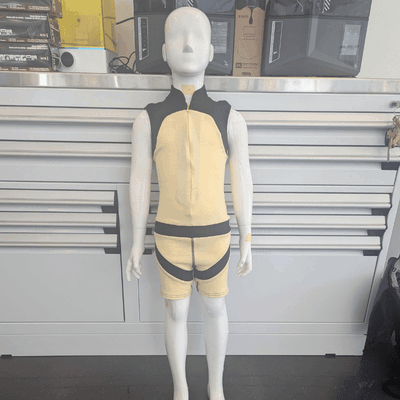
Smart garment for real‑time 3D monitoring of scoliosis
A smart garment integrating innovative textile sensors to measure, in real time, the progression of scoliosis, without rigid components or ionizing imaging. Soft and non‑invasive, it allows continuous monitoring of spinal curvature and brace effectiveness.
This innovation addresses a major limitation of current practices, which still rely heavily on periodic X‑rays, exposing adolescents to repeated radiation and providing only a limited, momentary view of postural evolution.
Researcher and photo credit: Aruny Pathammavong (Ph.D. student)
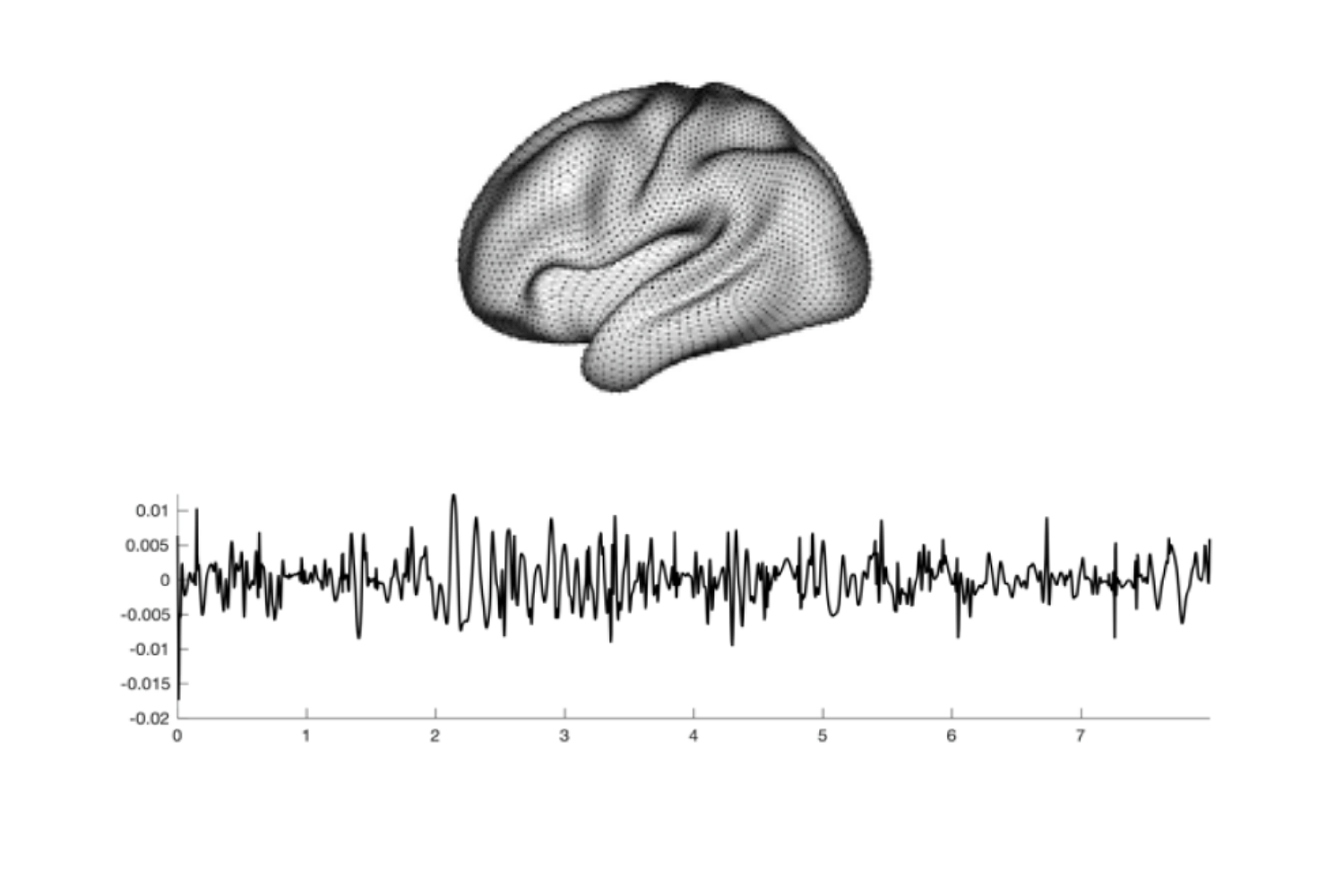
RnB: A selective method for isolating brain oscillations
The RnB algorithm improves EEG and SEEG analysis by isolating true brain oscillations while removing aperiodic noise. It facilitates the detection of neurological events and the identification of reliable clinical biomarkers for diagnosis and health monitoring.
The result? A clearer, more precise, and scientifically usable signal.
Researchers and photo credit: : Michael-Christopher Foti (Ph.D. student) et Jean-Marc Lina (Professor, Department of Electrical Engineering)
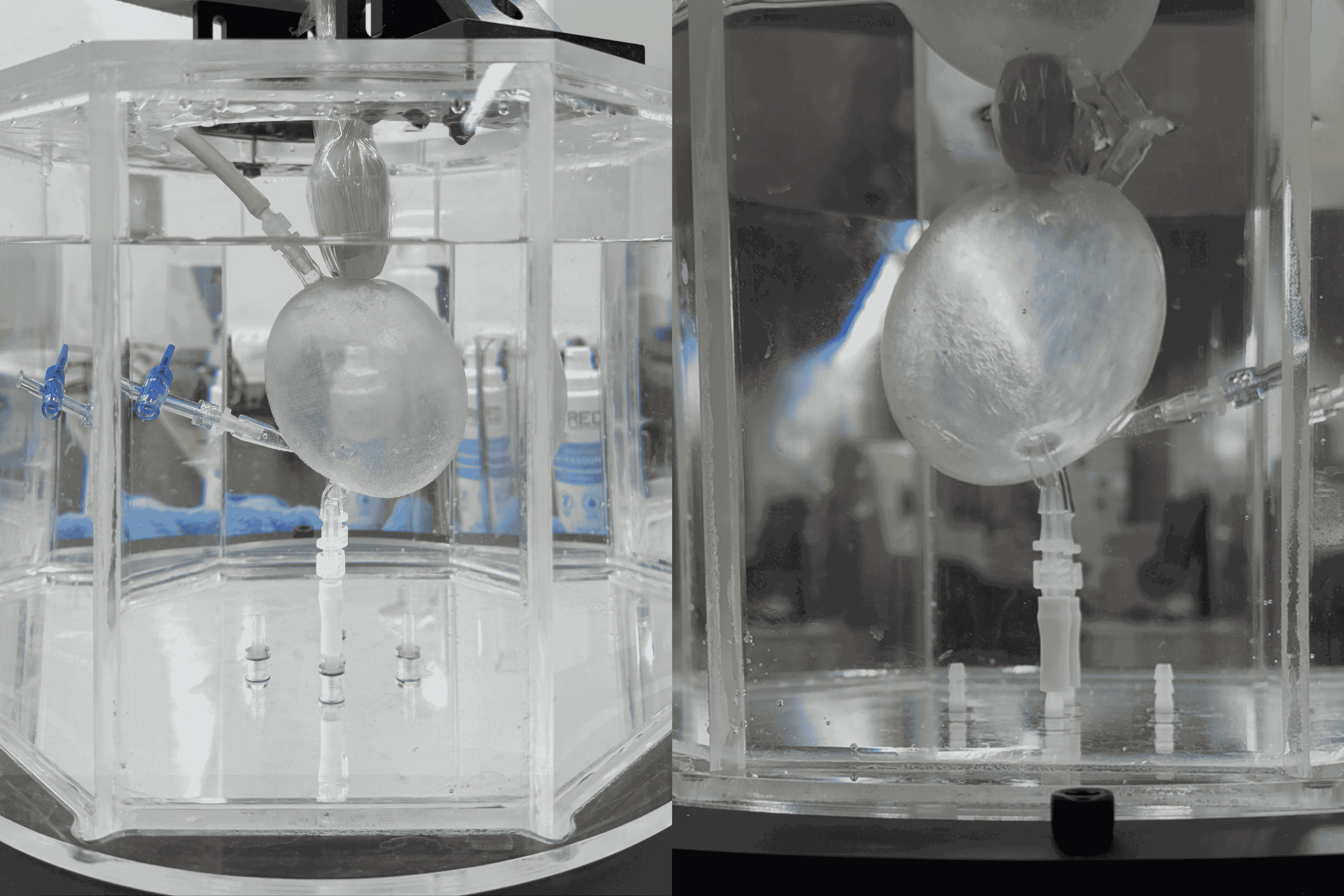
Physiological bladder simulator for controlled analysis of ureteral jets
This anatomically realistic, fully controlled in vitro bladder simulator precisely reproduces ureteral jets. It integrates advanced imaging tools, offering a reproducible platform for diagnostic research and for validating urological devices.
This technology provides an ideal environment for diagnostic research, medical device validation, and technological development in urology.
Researcher and photo credit: Kyarash Mohammadi (M.Sc.A) et Giuseppe Di Labbio (Professor, Department of Mechanical Engineering)
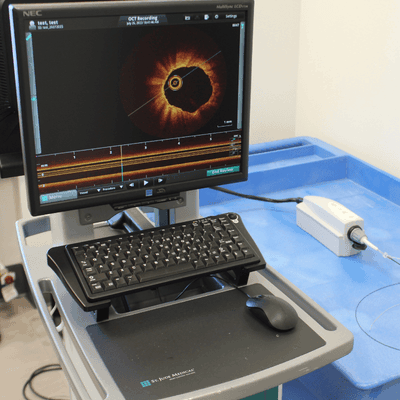
Automatic characterization of coronary artery tissues using OCT imaging
Leveraging deep learning combined with optical coherence tomography (OCT), this technology automatically detects and characterizes tissues layers inside the coronary arteries with high precision.
It enables early detection of tissue changes and supports clinical interpretation of OCT images.
Researcher and photo credit: Luc Duong (Professor, Software and IT Engineering Department)
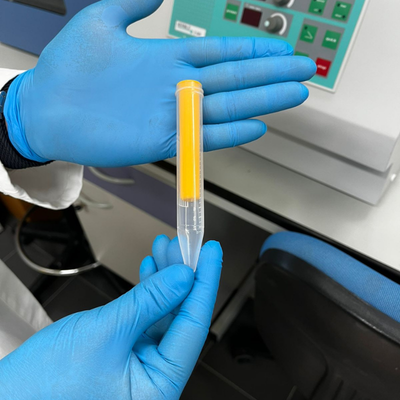
Pump‑free nanoparticle system driven by centrifugation
This compact system enables pump‑free nanoparticle fabrication. Through a micromixer, reagents are precisely mixed and fractionated directly inside standard laboratory tubes using centrifugal force.
The solution significantly reduces challenges related to cost, complexity, and reproducibility.
Researcher and photo credit: Vahé Nerguizian (Professor, Department of Electrical Engineering)
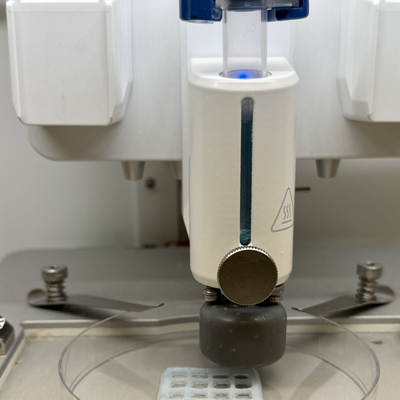
Misting‑based 3D printing head for bio‑printing
This invention combines precise syringe-based dispensing with misting technology to uniformly deposit biomaterials for 3D bioprinting.
It reduces waste and improves printing quality for tissue engineering and regenerative medicine.
Researchers and photo credit: Sara Badr (Ph.D. student), Ali Ahmadi (Professor, Department of Mechanical Engineering)
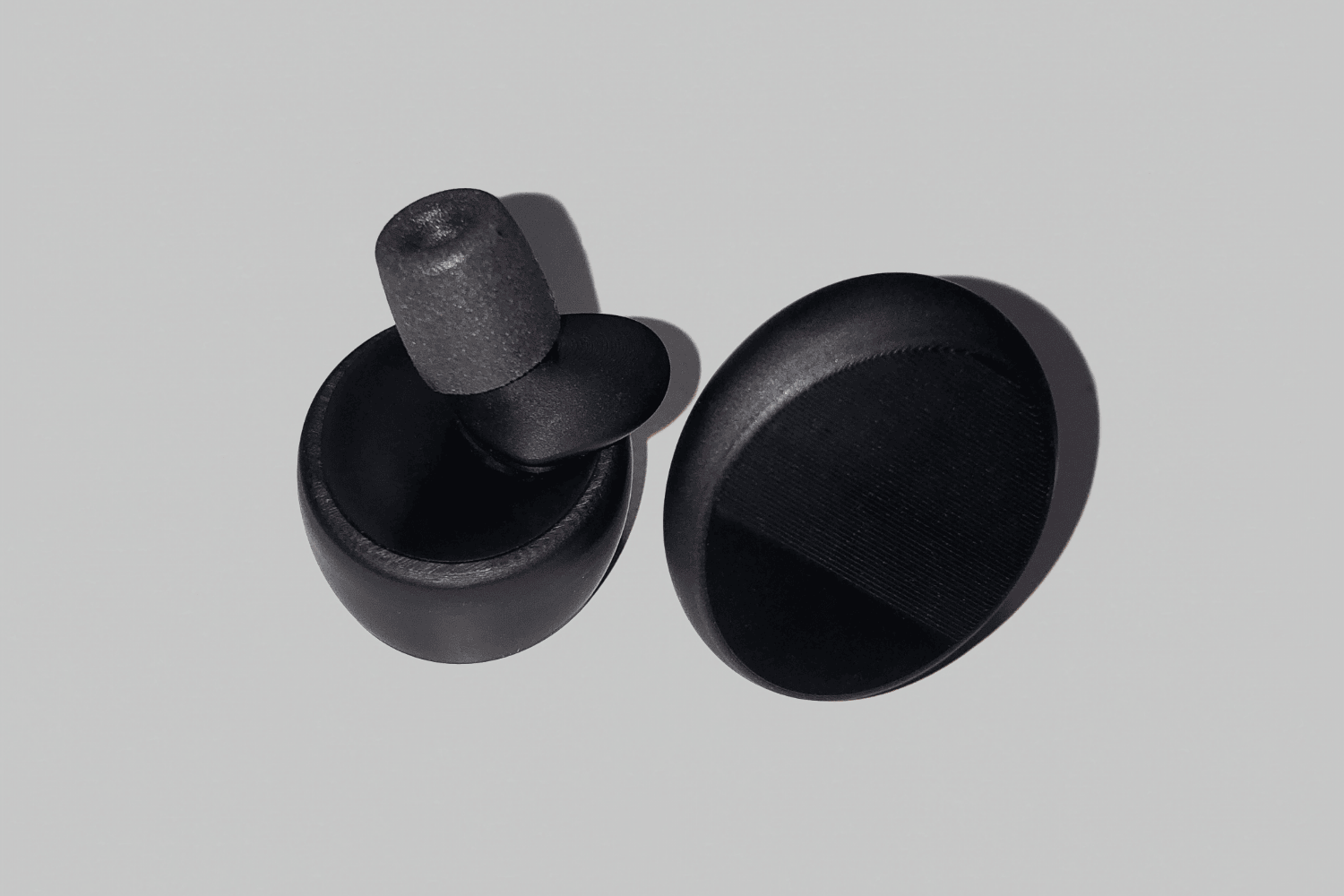
Passive earplugs offering natural perception of one’s own voice
These earplugs use advanced acoustic architecture to reduce external noise without amplifying internal sounds, including the user’s own voice. Ambient noise is attenuated while the voice remains natural—without resonance or muffled sensation. Acoustic comfort is significantly improved, and communication remains clear. The technology is fully passive, integrated directly into the earplug, and is currently deployed in earplugs developed by PhonicLab.
Researchers and photo credit: Kévin Carillo and Olivier Doutres (Professor, Department of Mechanical Engineering)
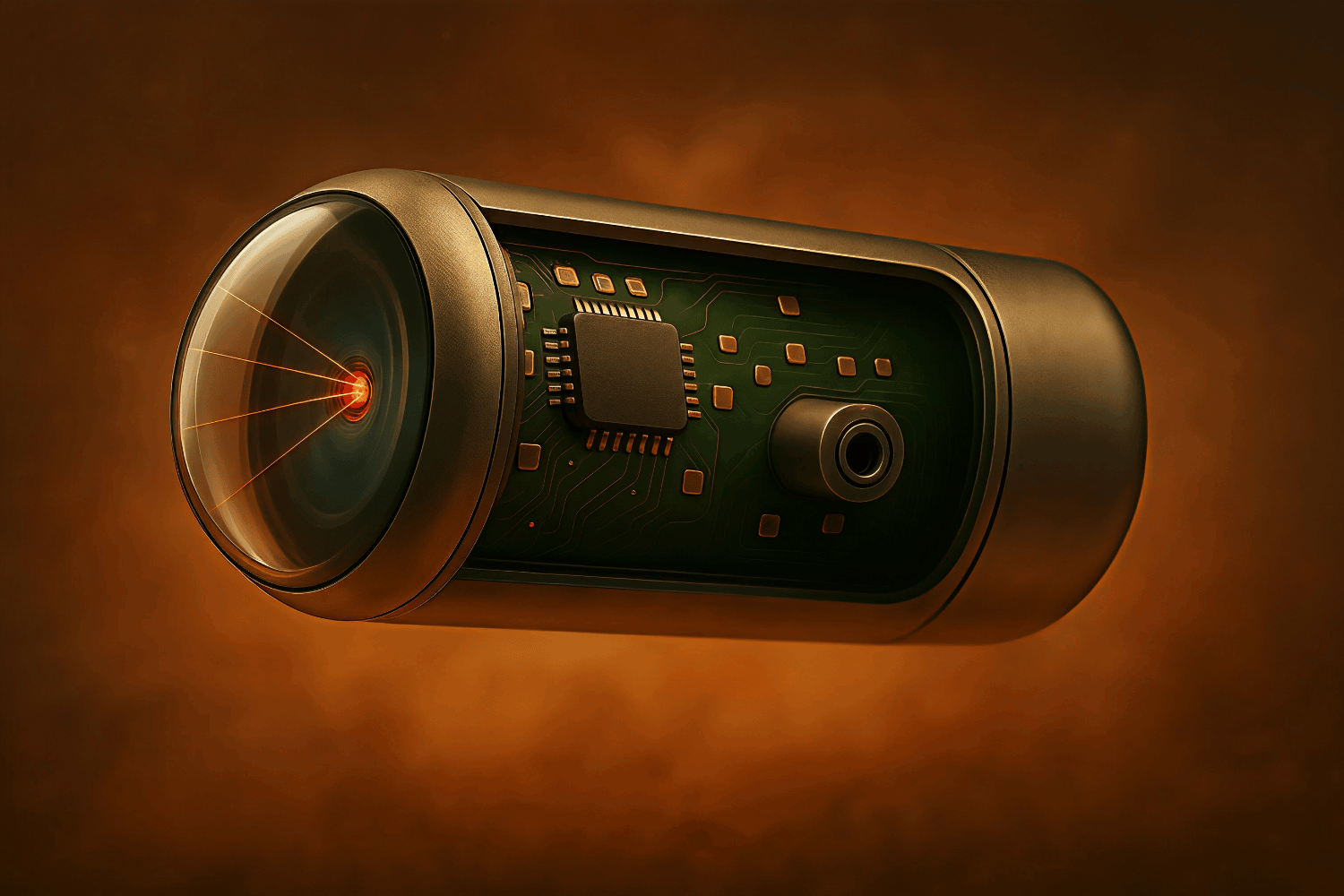
Enabling technologies for ultraminiaturized systems in surgery and in vivo
ÉTS develops enabling technologies for ultraminiaturized systems—from microelectronics to innovative materials and embedded software—pushing the limits of integration in compact devices.
Several research projects have led to world firsts, making possible what previously was not:
- freeform cutting of chemically strengthened glass
- video transmission over Bluetooth
- a high‑precision clock integrated on a silicon chip
- a micromotor‑driven laser scanner providing fast, wide‑range scanning
ÉTS offers a portfolio of breakthrough inventions that could revolutionize your applications in surgery and in vivo technologies.
2 février 2026