September 7, 2026
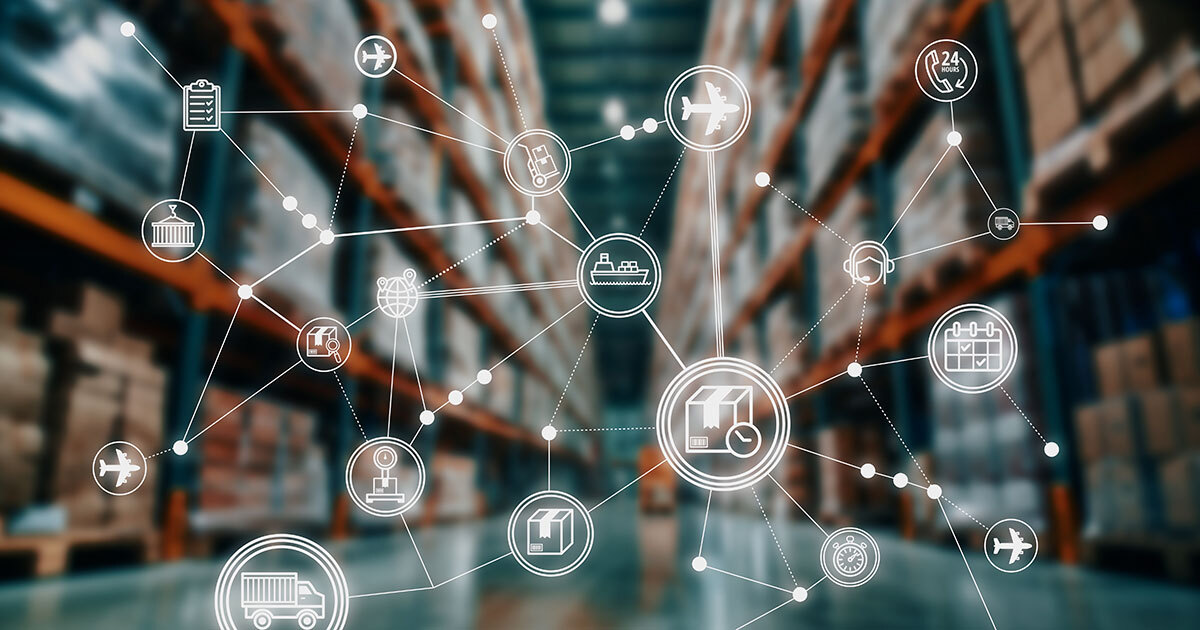
Whether it's manufacturing products, delivering them to consumers, or recovering end-of-life materials, the flow of goods relies on complex logistics networks that combine transportation, warehousing, and decision-making. ÉTS Professor Amin Chaabane is researching these systems to improve their performance, while taking into account the economic, environmental, and operational constraints that shape them.
For more than a decade, his work has addressed a central challenge of today’s economy: designing more efficient, resilient, and sustainable supply chains. Beyond construction industrialization , his research focuses on manufacturing supply chains, goods distribution, last-mile logistics, including reverse logistics and waste collection systems.
Optimizing supply chains, from the factory to the last mile
In the manufacturing and retail sectors, the supply chain encompasses all stages of transforming raw materials into products delivered to consumers. Production, warehousing, transportation, and distribution must be closely coordinated to ensure the smooth flow of goods and product availability.
Since the beginning of his career, Amin Chaabane has been developing mathematical models and tools to support decision-making and optimize logistics networks, taking into account numerous parameters: transportation costs, demand uncertainties, resource availability, and carbon emissions. His work focuses on designing more sustainable supply chains to reduce the environmental footprint of industrial activities while remaining economically viable.
But even when production is well planned, distributing goods poses a major challenge. Products must travel through complex transportation networks before reaching consumers, and this complexity increases during the final stage of delivery, often referred to as last-mile logistics. Delivering a product from a distribution center to the end consumer may seem simple, but in urban environments, the task proves especially difficult to optimize. Traffic congestion, population density, limited delivery windows, and the rise in online orders complicate route planning.
Professor Chaabane’s work focuses specifically on the challenges related to transportation and distribution. Using optimization algorithms, his models improve route planning and delivery organization. By reducing distances travelled and optimizing delivery routes, these approaches help lower logistics costs while limiting transportation-related greenhouse gas emissions.
When the flow is reversed
Logistics is more than delivering products to consumers. Increasingly, supply chains must manage reverse logistics.
Reverse logistics involves the collection, sorting, and recovery of products that have reached the end of their life cycle. This includes, in particular, the collection of end-of-life vehicles, electronic devices, and metals intended for recycling.
Organizing these recovery networks poses a significant challenge. Products to be recovered are often scattered across a vast area, and the available volumes can vary considerably. Consequently, the cost of collection becomes a major issue.
To address these challenges, Amin Chaabane and his team have developed new transportation optimization models to account for the real-world constraints of these systems: environmental regulations, travel distances, variable volumes, and supply uncertainties.
Recycling construction waste more effectively
Reverse logistics also plays an important role in managing waste from the construction, renovation, and demolition sectors.
Amin Chaabane collaborated with 3R MCDQ to improve the organization of recovery networks for these materials. This waste is found in considerable volumes and poses a major challenge for the circular economy.
Unlike traditional supply chains, these systems are characterized by a high degree of uncertainty. Indeed, it is difficult to predict the location of recyclable material suppliers and the quality of the collected materials.
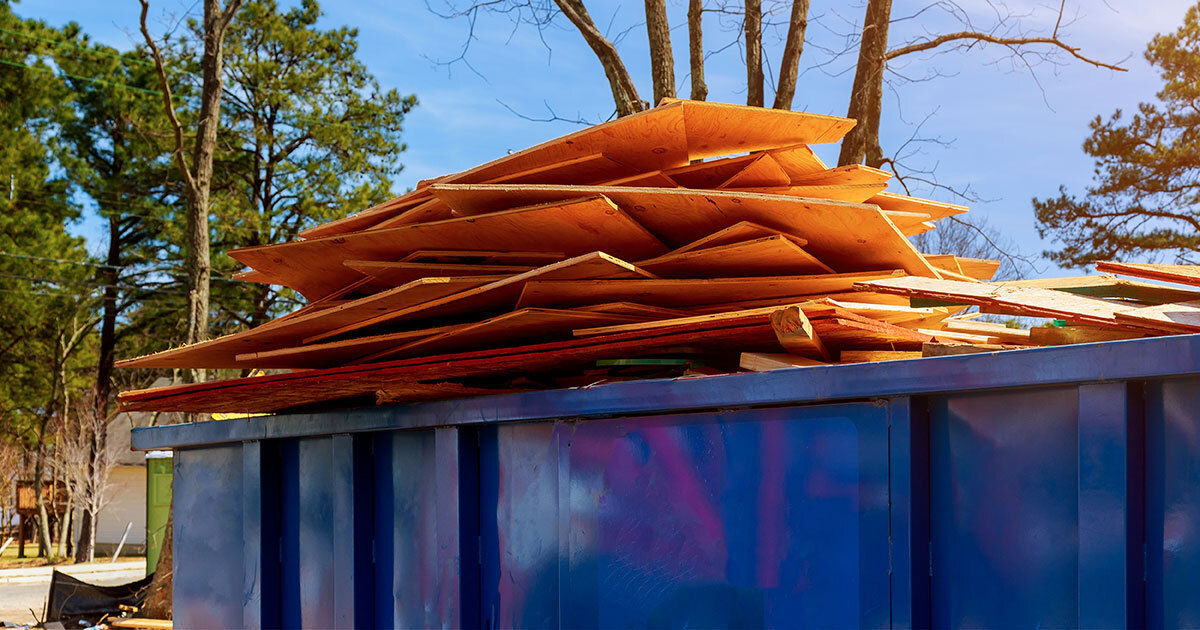
The models developed by the research team specifically account for these uncertainties to optimize the location of sorting centers, transportation flows, and the overall structure of the recycling network.
The contribution of digital technologies
More recently, Amin Chaabane’s research has also focused on the digital transformation of supply chains.
For example, as part of a project conducted with Siemens, his team used machine learning to detect operational anomalies in gas turbines. This approach serves to anticipate mechanical failures and improve predictive maintenance of industrial equipment.
Other projects focus on developing smart warehouses. By combining RFID technologies, simulation, and digital twins, researchers can model warehouse operations to optimize their organization and the coordination between human workers and robots.
With these experimental platforms, it is possible to test new logistics approaches before their actual deployment, thereby reducing risks and accelerating innovation.
Logistics at the heart of industrial transformation
At the heart of all these projects lies a common idea: logistics is now a strategic lever for transforming industrial systems.
By combining mathematical modelling, data analytics, and digital technologies, Amin Chaabane’s work is helping to rethink the way resources flow through the economy. Whether it's optimizing goods distribution, improving recycling networks, or designing more resilient supply chains, Amin Chaabane’s research programs help build logistics systems capable of addressing major challenges facing modern society.