

October 9, 2026
KÉTS – Institute for Quantum Engineering and Science
Quantum science and engineering at ÉTS. Quantum technologies have profoundly transformed industries and societies over the past several decades. The next era will be defined by our ability to control the individual states of quantum systems to store, process and transmit information, rather than merely harnessing the collective or average effects used in conventional devices such as transistors and lasers.
We are entering a new era that will affect advanced computing, cybersecurity, telecommunications, energy and aerospace. These advances will create new technological capabilities and redefine how we solve complex problems.
To realize this potential fully, it is essential to develop leading expertise, support fundamental and applied research, and build strong bridges between academia and industry. KÉTS was created with this goal in mind.

The voice of quantum research at ÉTS
At ÉTS, quantum research spans computing, communications, sensing and materials, bringing together expertise from several departments. KÉTS connects these complementary strengths through a common foundation in mathematics, algorithms and software engineering, from fundamental discoveries to applications in science and engineering.
Applications in science and engineering
Quantum
computing
Quantum communications
Quantum sensing
Quantum materials
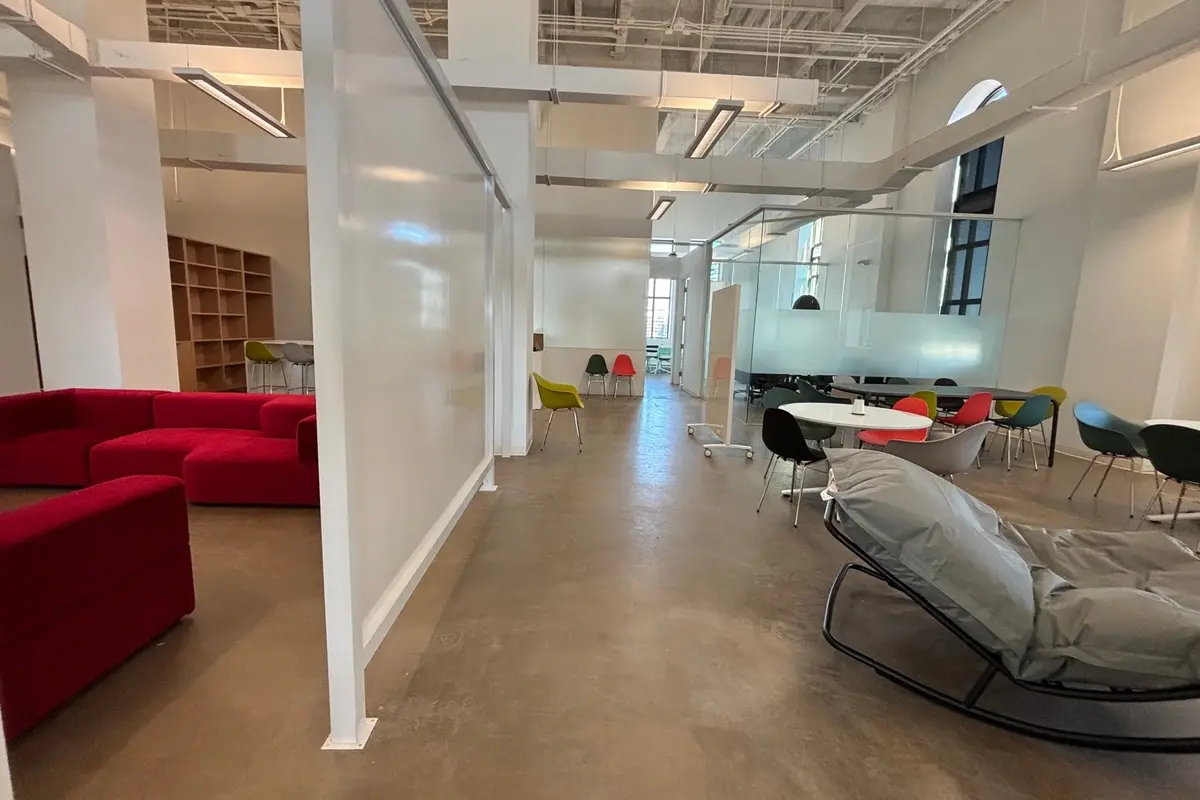
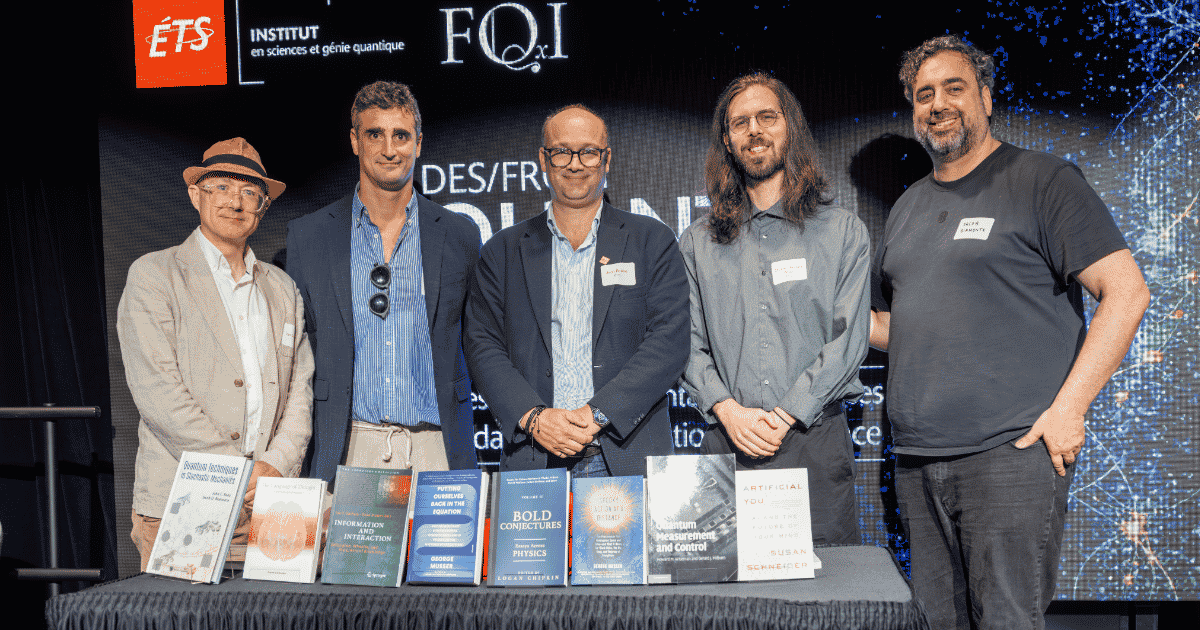
INGO 803 brings research teams, students, industry, partners and guests together in a shared collaborative space at ÉTS.
Mission
Our mission is to make Montréal a global centre for quantum software research. From ÉTS, we bring together the people, infrastructure and engineering practice needed to solve the most difficult scientific and technological challenges standing between quantum ideas and their commercialization.
We develop algorithms, software and validation methods tailored to quantum hardware and high-performance computing; turn discoveries into reliable prototypes and tools; and create the conditions for new collaborations, companies and world-class research.
Vision
The Institute connects ÉTS strengths in quantum computing, quantum communications, quantum sensing and quantum materials through a common foundation in mathematics, algorithms and software. Our ambition is to build a genuine ecosystem that produces major discoveries, removes barriers to real-world adoption, and attracts, trains and retains the talent that will lead Québec’s and Canada’s quantum economy.
Quantum software designed for real-world use
We combine quantum algorithms with software engineering, high-performance computing, cryptography and visualization. Our goal is functional quantum software, designed around real needs, rigorously tested and ready for use.
A Montréal hub at INGO
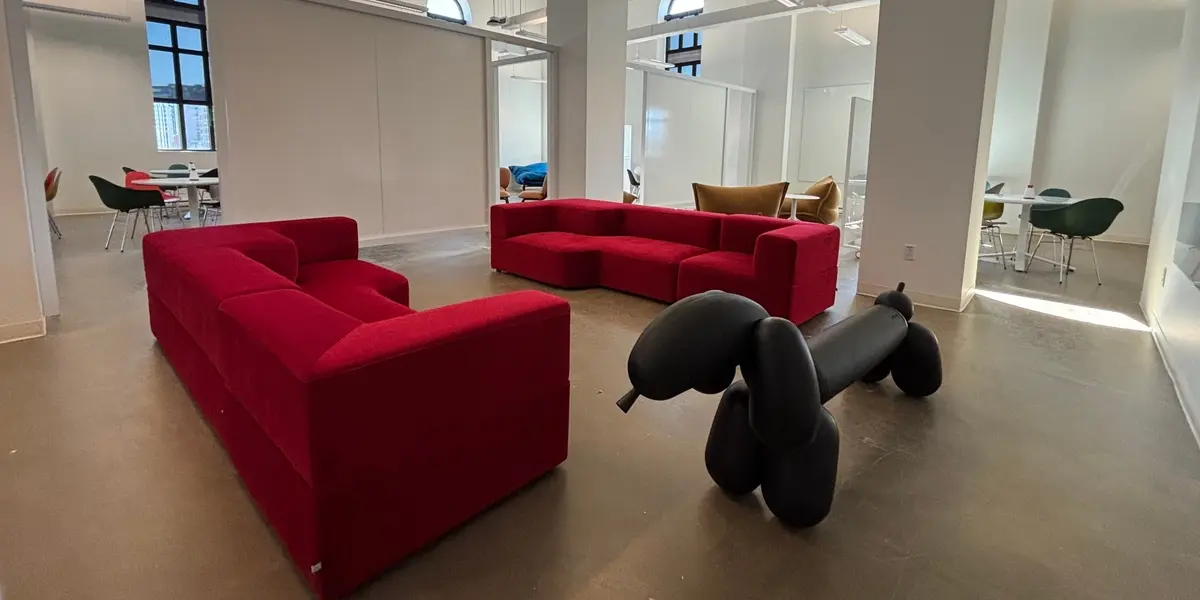
Located at ÉTS, INGO 803 gives Montréal’s quantum software research community a place for focused research sessions, team workshops, guests and community gatherings. Faculty, students, industry and ecosystem partners work side by side on clearly defined problems.
From discovery to commercialization
We tackle the most difficult barriers to commercialization, through the transition from prototype to product. Promising ideas become collaborative projects, demonstrators and companies. Scientific discovery lies at the heart of KÉTS: the Institute connects fundamental advances in quantum information with algorithms and software for contemporary quantum hardware.
An international doctoral community
KÉTS brings together a growing and decidedly international doctoral community. Our doctoral students contribute perspectives and experience from Montréal, Québec, Canada and around the world. They work across quantum computing, communications, sensing and materials, supported by a common foundation in mathematics, algorithms and software engineering.
Prospective doctoral students should familiarize themselves with our faculty’s work before applying. A strong application demonstrates a clear understanding of the questions studied by a potential supervisor and thoughtfully explains how the applicant’s background, interests and ambitions could contribute to that research program.
Research, training and quantum life on campus
KÉTS connects research, teaching and practice within a single ecosystem. Our teams can draw on Rorqual, the Calcul Québec supercomputer ranked in the TOP500, as well as the IBM Quantum System One in Bromont, equipped with a Heron r2 processor and accessible through PINQ². These resources bring training, quantum software development and experimentation on real platforms closer together.
On our dynamic campus, Quantum ÉTS is a student club independently run by its members. ÉTS is proud of the club’s hackathon team, whose international results reflect the energy and initiative of our student community.
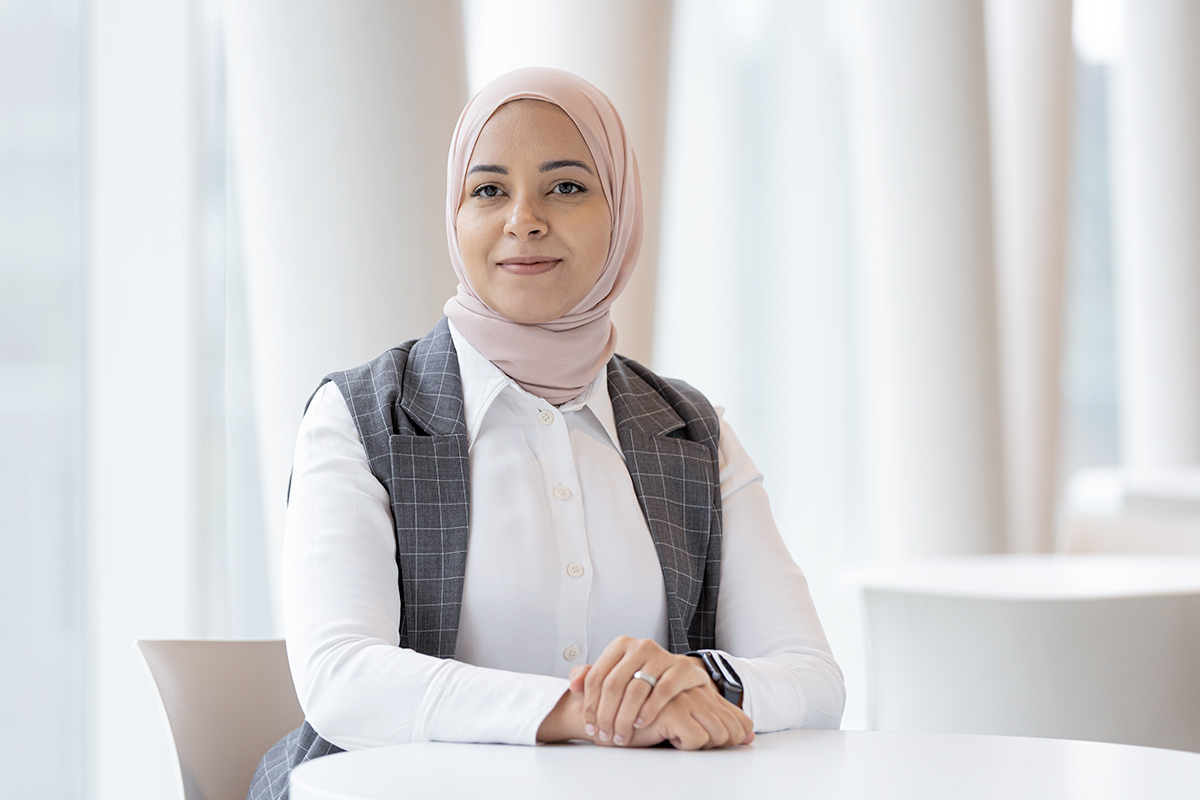
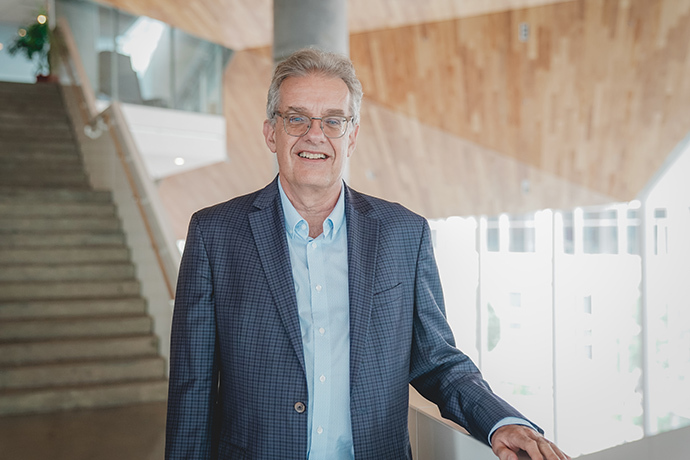
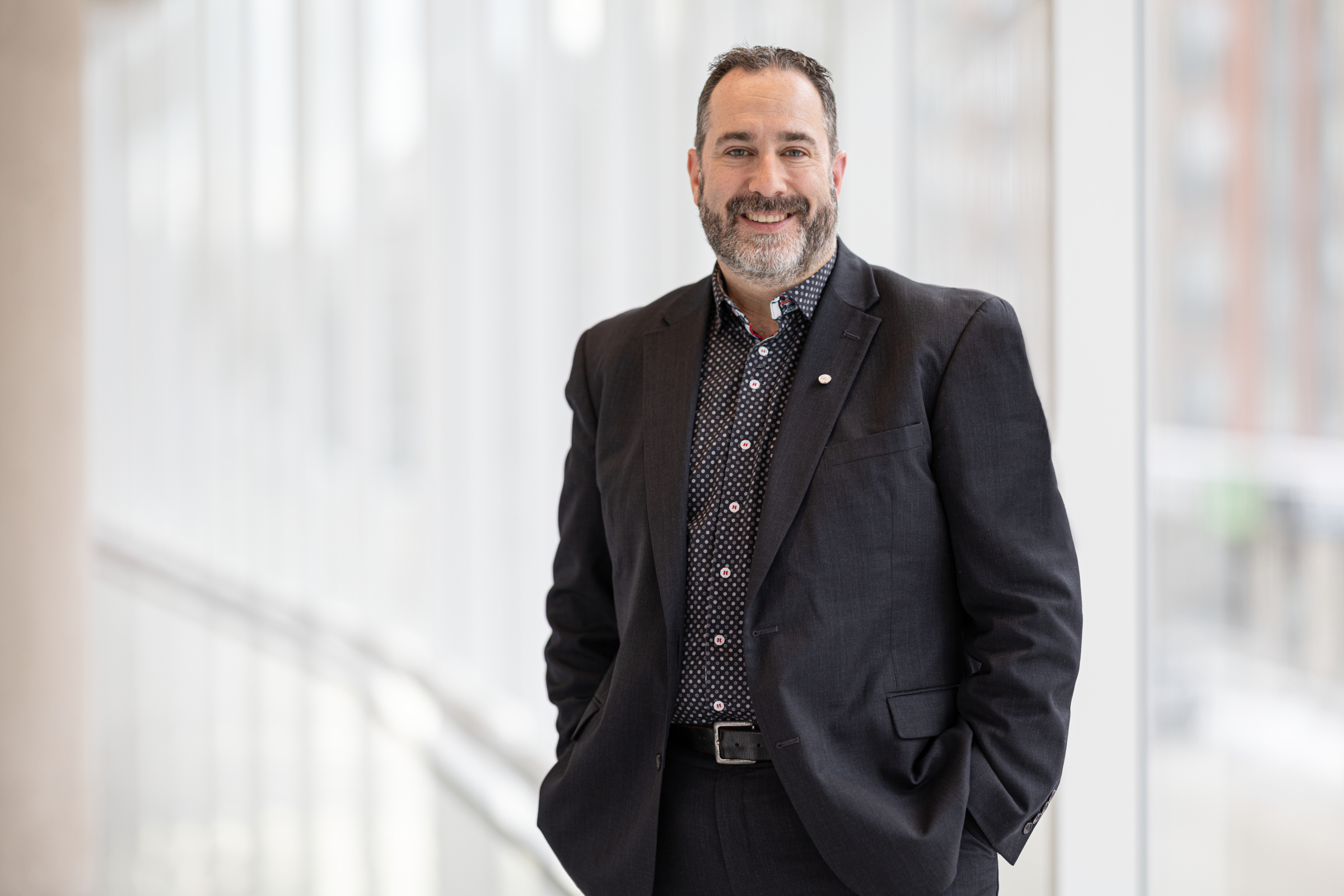
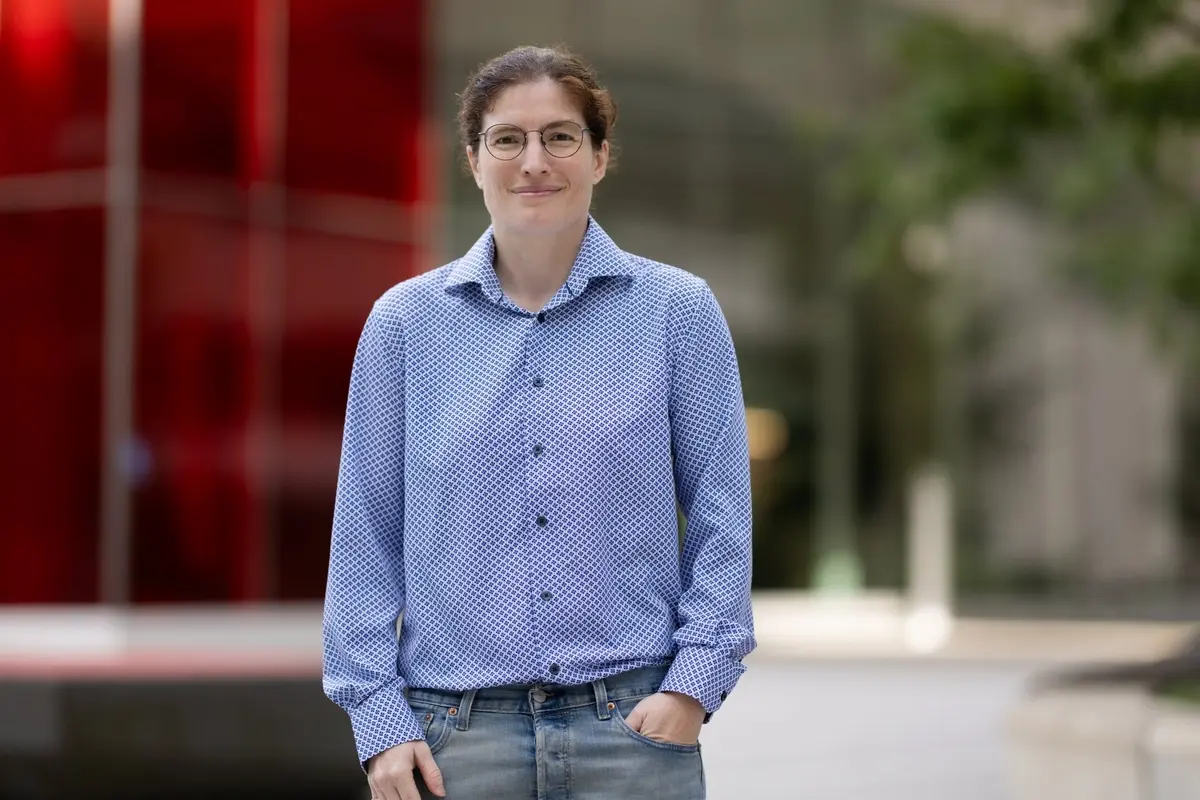
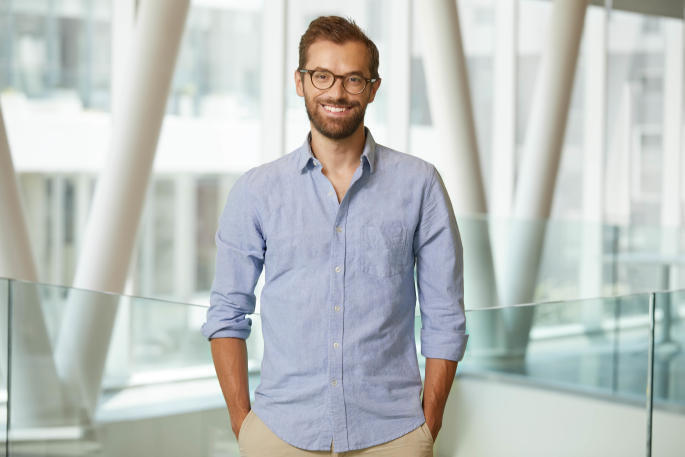
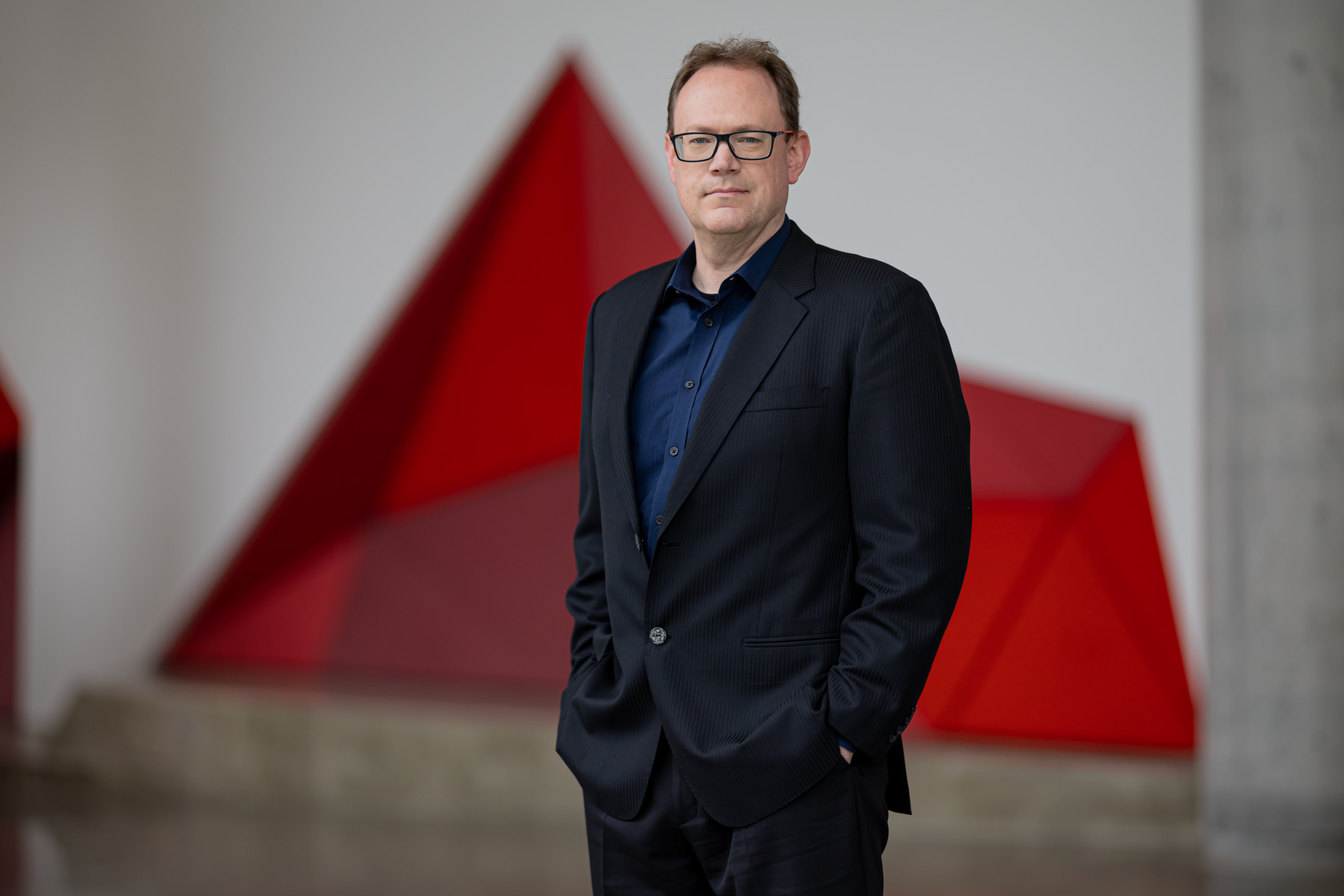
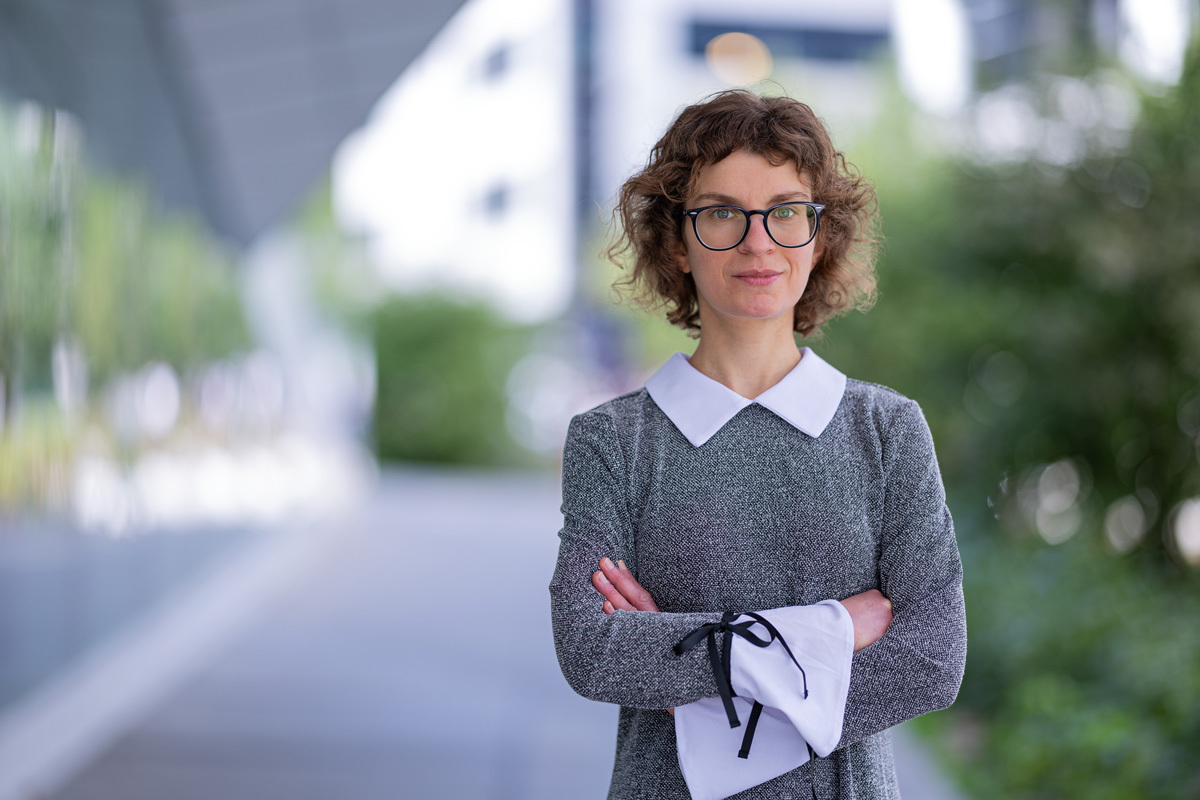
KÉTS faculty and members
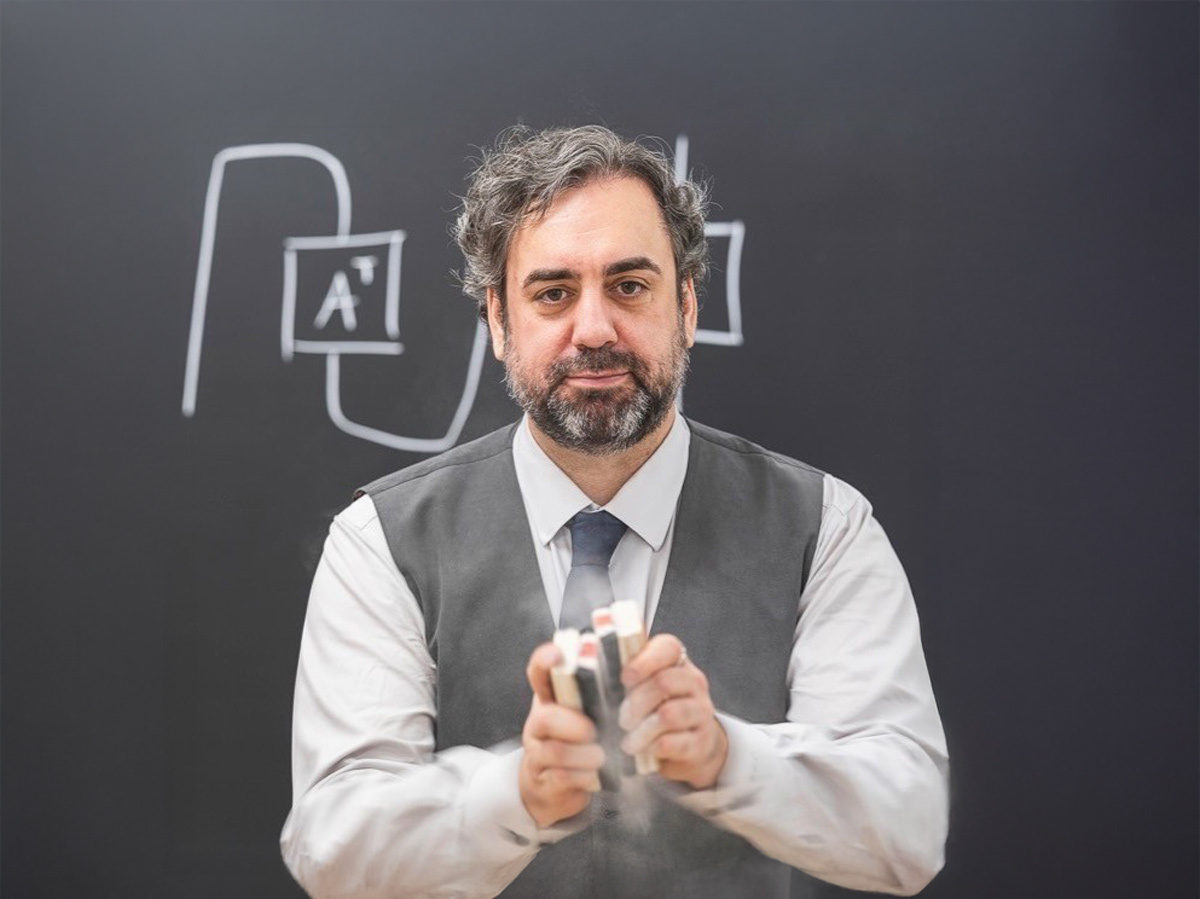
Professeur
Département de génie logiciel et TI
Institute Director
Quantum information processing
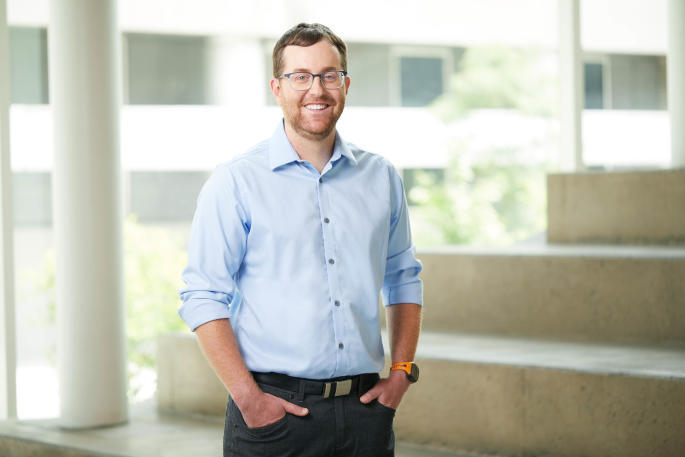
Professeur enseignant
Département des enseignements généraux
Associate Director of Quantum Education at KÉTS
Quantum error correction
Postdoctoral Researcher
Department of Software and IT Engineering
Quantum foundations
Quantum locality, the Heisenberg representation and algorithmic information theory
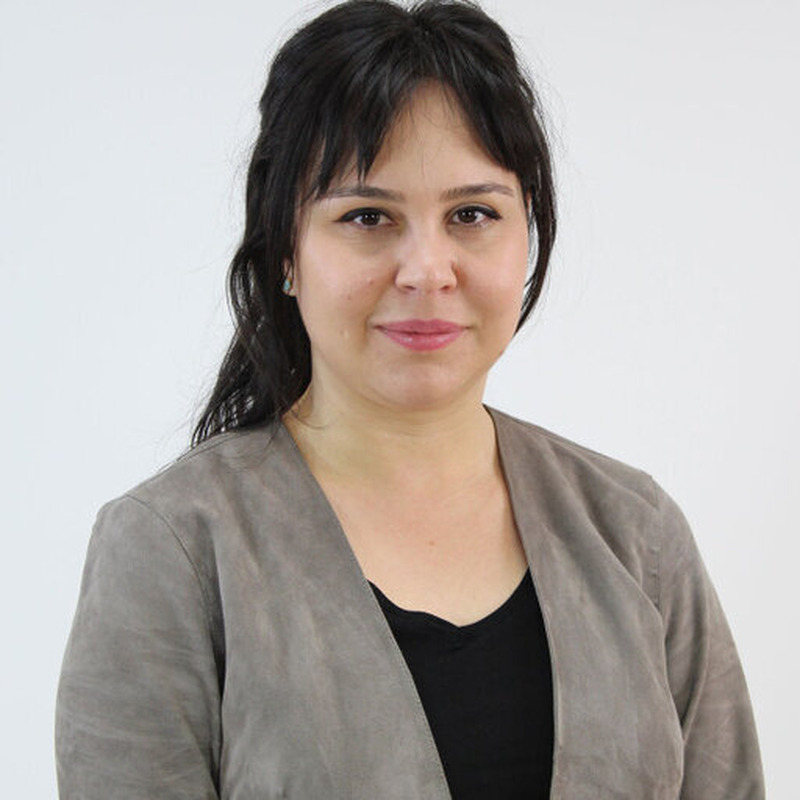
Postdoctoral Researcher
Department of Software and IT Engineering
Quantum software measurement
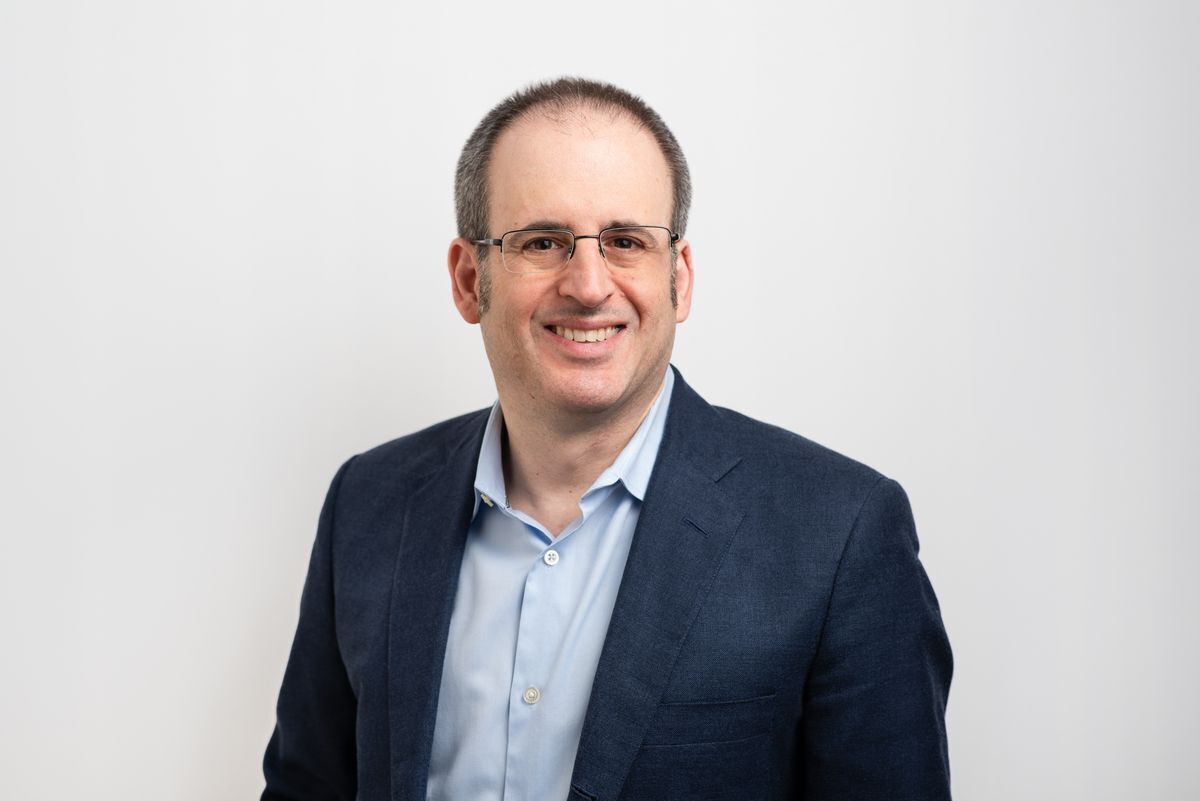
Visiting Professor · Professor
Department of Electrical and Computer Engineering, McGill University
Quantum error decoders
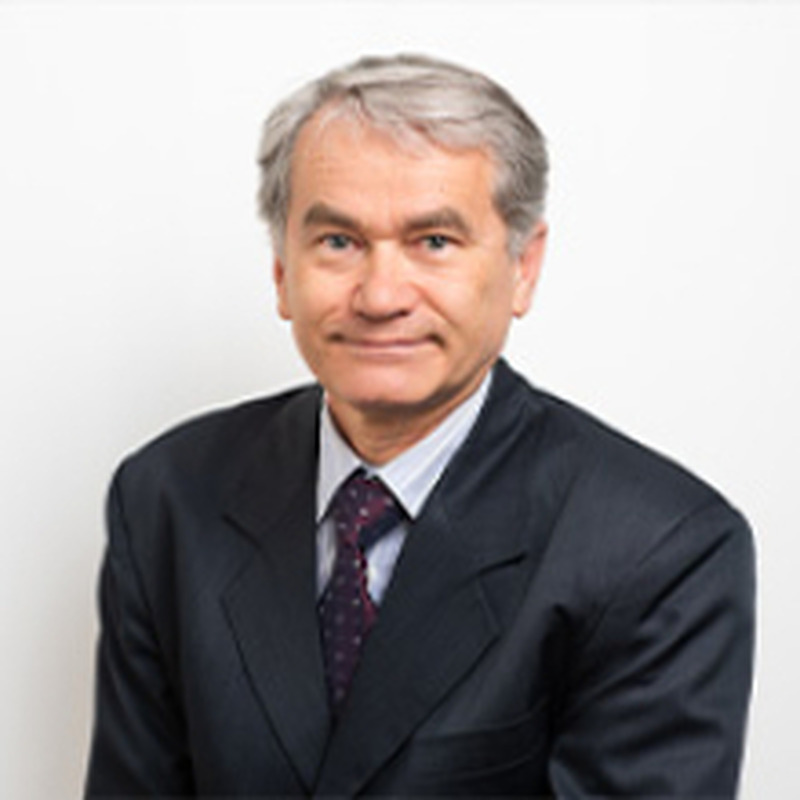
Visiting Professor · Professor
Department of Electrical and Computer Engineering, McGill University
Quantum circuits and verification
Past contributions
- Ernesto Campos, Visiting Professor (October 2025 to January 2026).
Institute Council
The Institute Council provides oversight, strategic direction and accountability for KÉTS.
- Jean Belzile, Interim Executive Director of Research and Partnerships, Council Chair
- Jacob Biamonte, Institute Director
- Alan Carter, Dean of Research at ÉTS
- Camille Coti, Professor at ÉTS
- Daria Riabinina, Director of Collaborative Research, ministère de l'Économie, de l'Innovation et de l'Énergie du Québec (MEIE), Observer
Partnerships and institutional relations
Industry brings us its most demanding technical challenges. We work with partners to define the problem, identify the ÉTS faculty expertise capable of solving it, and structure a focused collaboration. Once the challenge and scientific direction are established, the partner communicates directly with the principal investigator.

August 6, 2026
Making Supercomputers Accessible to All Scientists

Visit us
INGO 803 is located on the 8th floor of the INGO Innovation Centre, at 355 Peel Street, Montréal, Québec H3C 2G9. This is where we are building a Montréal hub for quantum software research.