
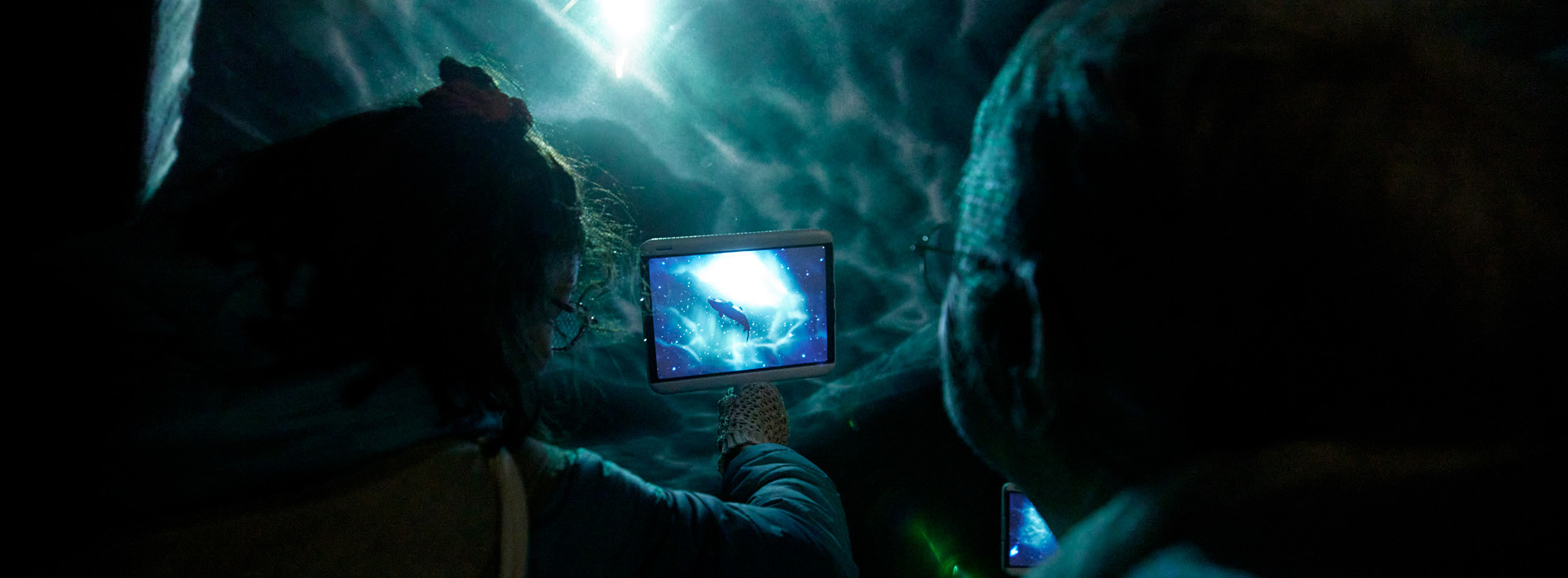
ORÉ – Extended Reality Observatory
About the Observatory
The Extended Reality Observatory (Observatoire de la réalité étendue – ORÉ) is a platform that unites all of ÉTS’ virtual and augmented reality technology researchers under one umbrella.
The ORÉ’s mission is to monitor scientific and technological developments in the field, to provide expertise and state-of-the-art equipment to the ÉTS community, and to develop industrial and institutional partnerships that will contribute to making the school the leading centre of expertise in extended reality in Quebec.
Our team
The ORÉ’s member professors hail from three ÉTS departments: IT and software engineering, electrical engineering, and design. Because their research topics are so diverse, many potential applications of extended reality technologies are covered.
Each member enhances the Observatory’s overall vision by contributing perspectives unique to each of the research labs in which they conduct their research activities:
Professeur
Département de génie logiciel et TI
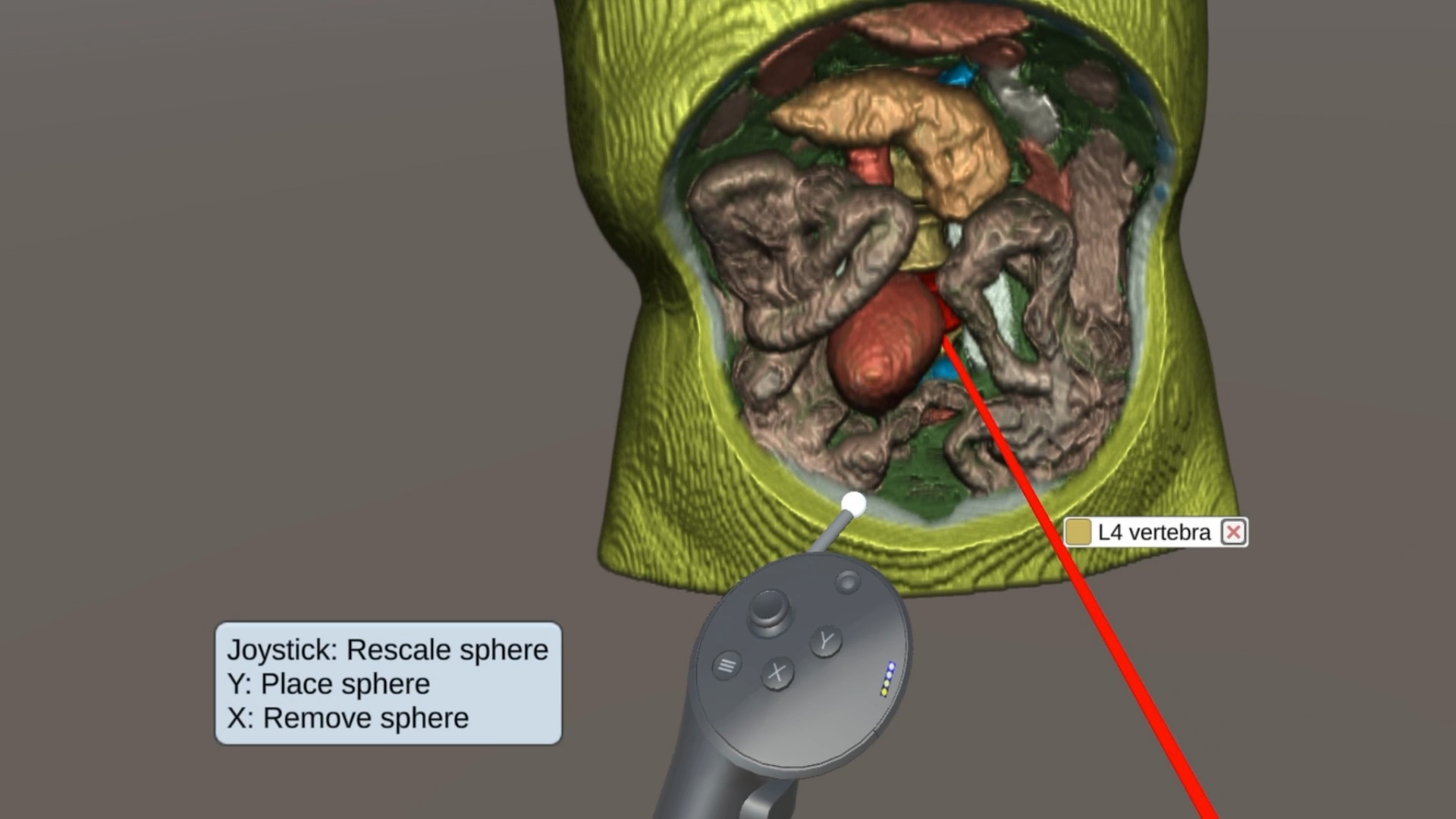
- Evaluating the potential of virtual reality (VR) for viewing medical images and for planning and simulating medical procedures.
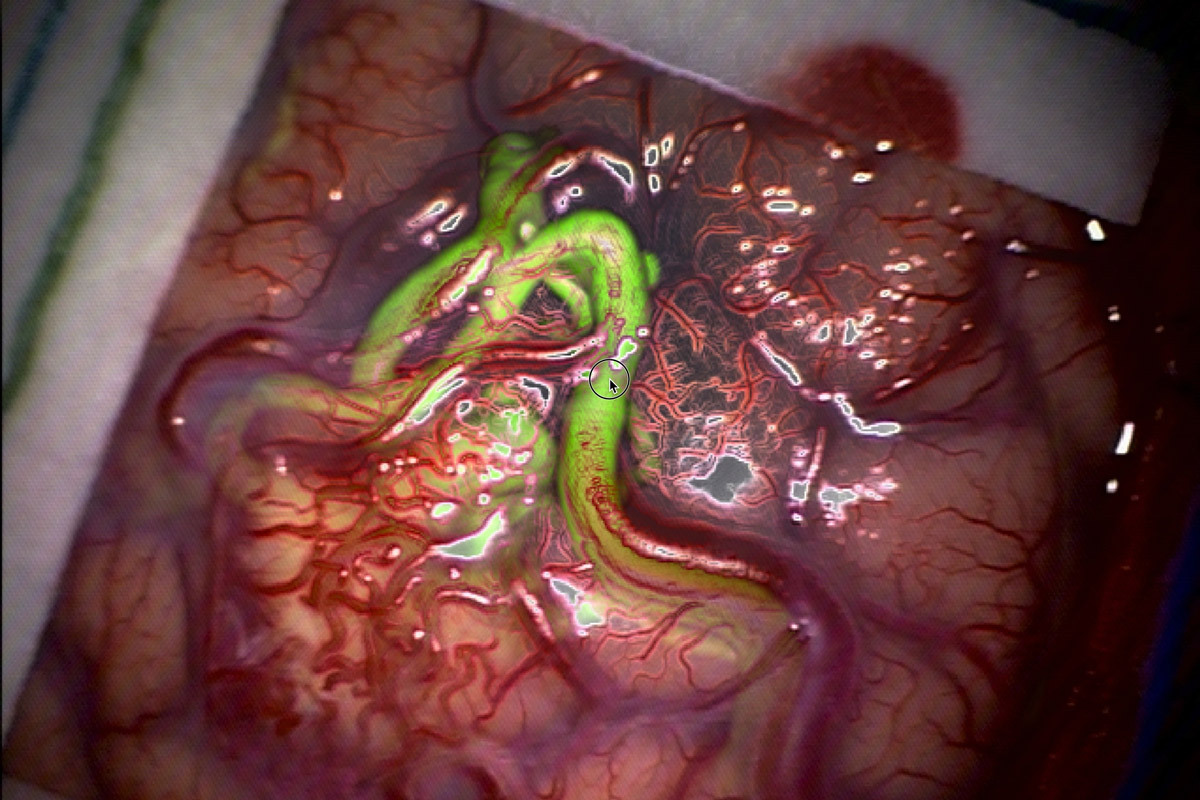
- Exploring ways of using augmented reality (AR) to guide surgical procedures.
- Researching new applications for extended reality (XR) techniques in arts and culture.
Professeur
Département de génie logiciel et TI
- Using physics-based simulation and animation for interactive, real-time applications, primarily for virtual reality and video games.
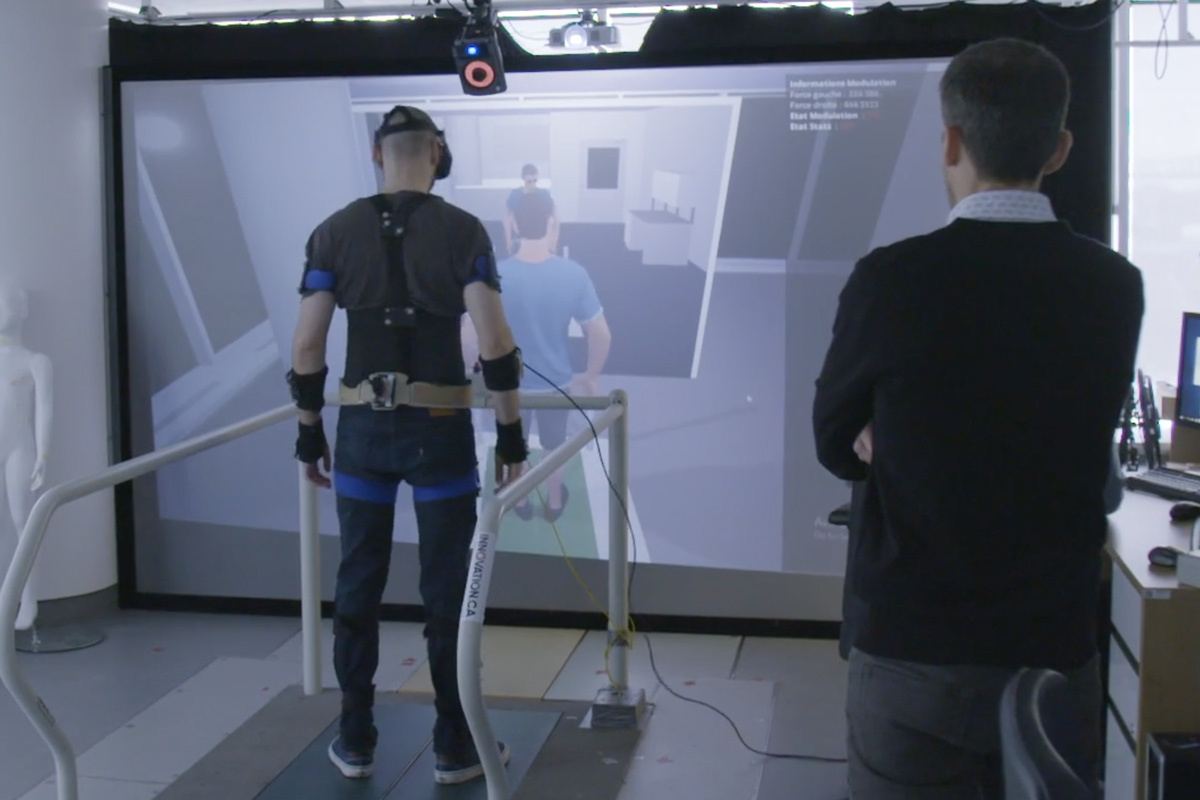
- Using advanced motion-capture techniques to acquire and synthesize human motion in immersive environments.
Professeur
Département de génie logiciel et TI
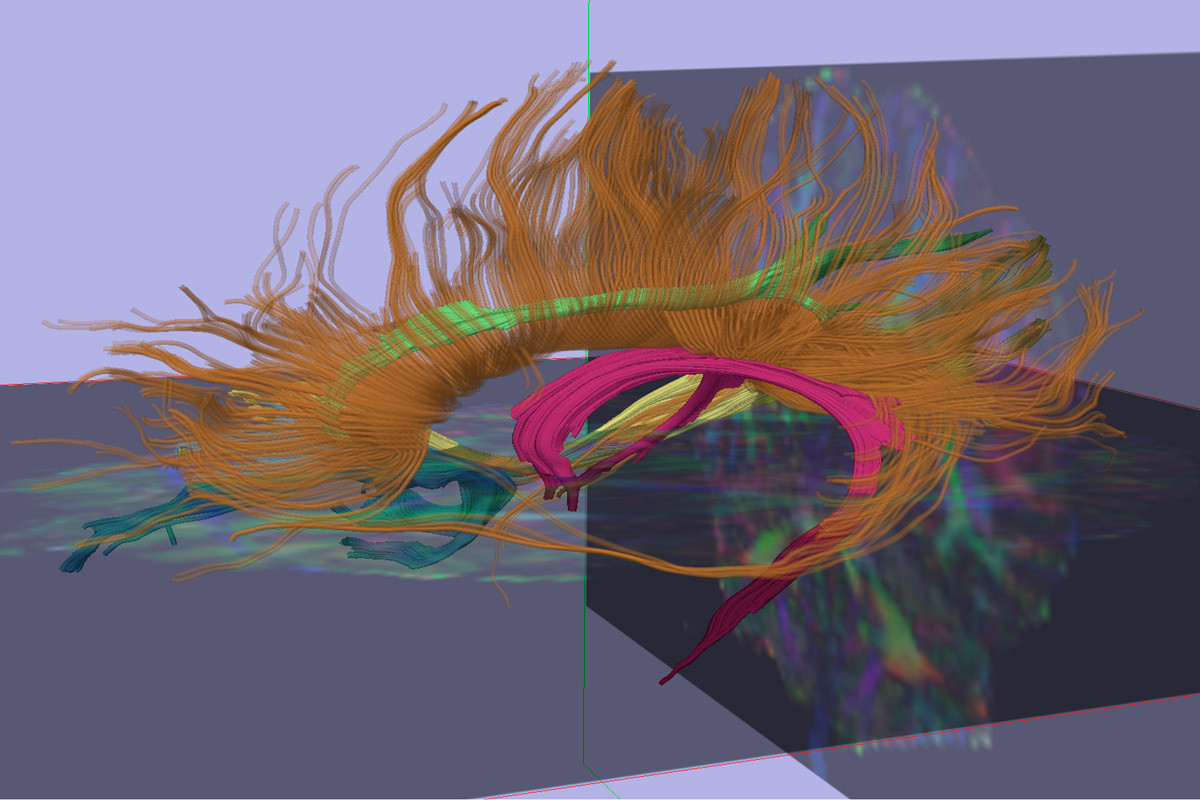
- Developing virtual reality tools to help anatomists better view and annotate medical images in their work analyzing mental health issues using medical imaging.
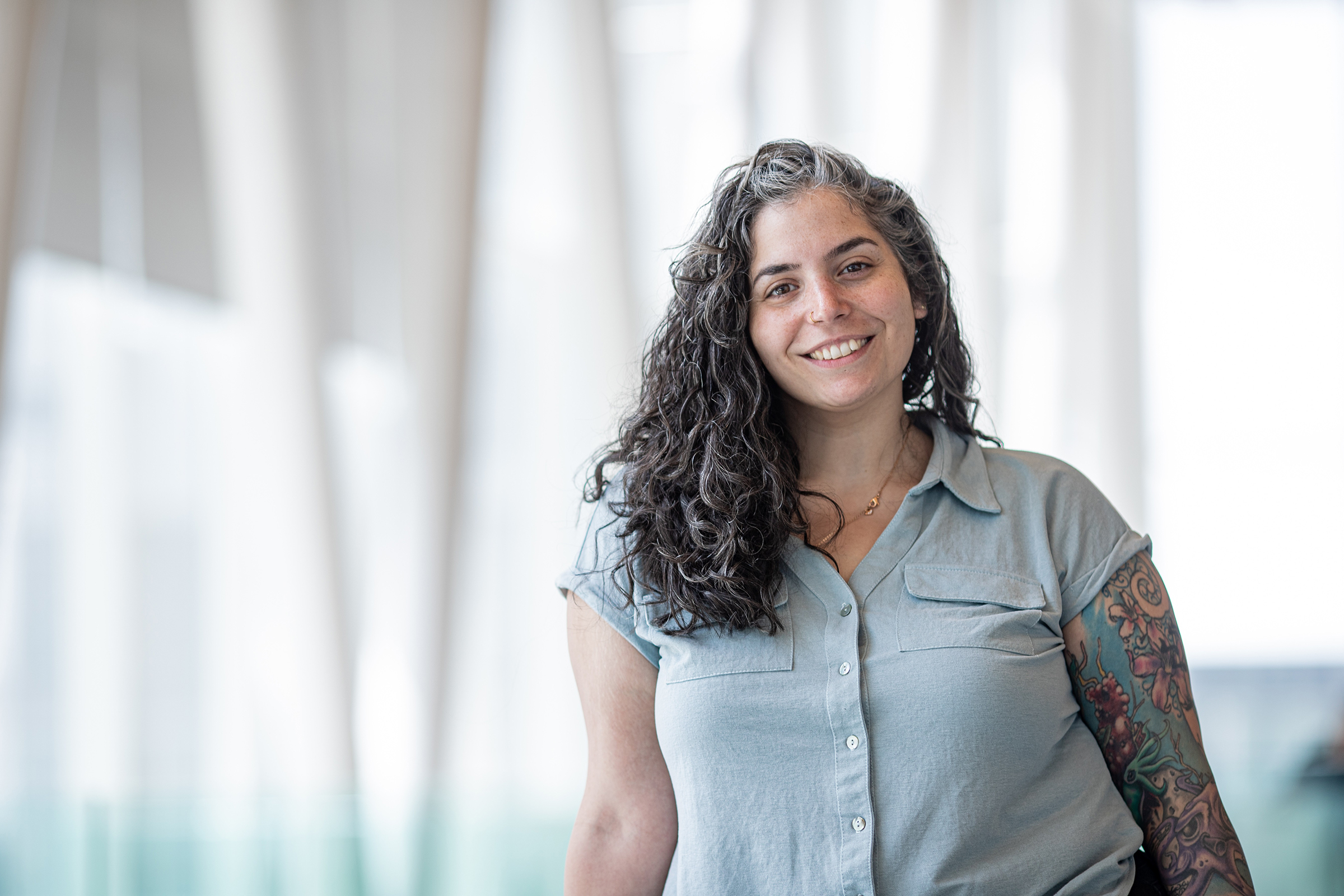
Professeure
Département de génie électrique
- Analyzing physiological signals that can be captured by earables to sense the health or emotional state of users.
- In this context, virtual reality is used to put patients in different environments and situations while enabling them to be observed in a laboratory setting.
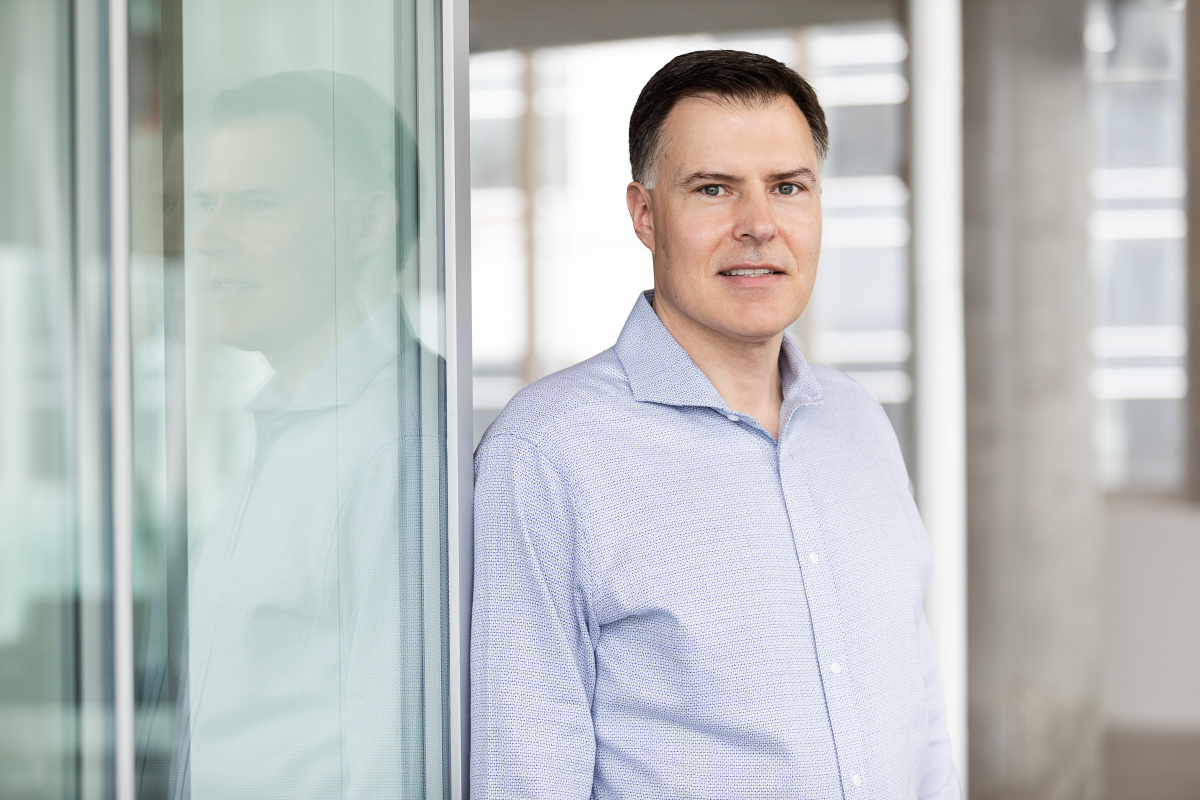
Professeur
Département de génie logiciel et TI
- Capturing, processing, and rendering immersive 360° VR content, which includes compressing immersive video, synthesizing and reconstructing intermediate views, optimizing continuous real-time streaming, and developing and evaluating objective ways to measure the visual quality of these systems.
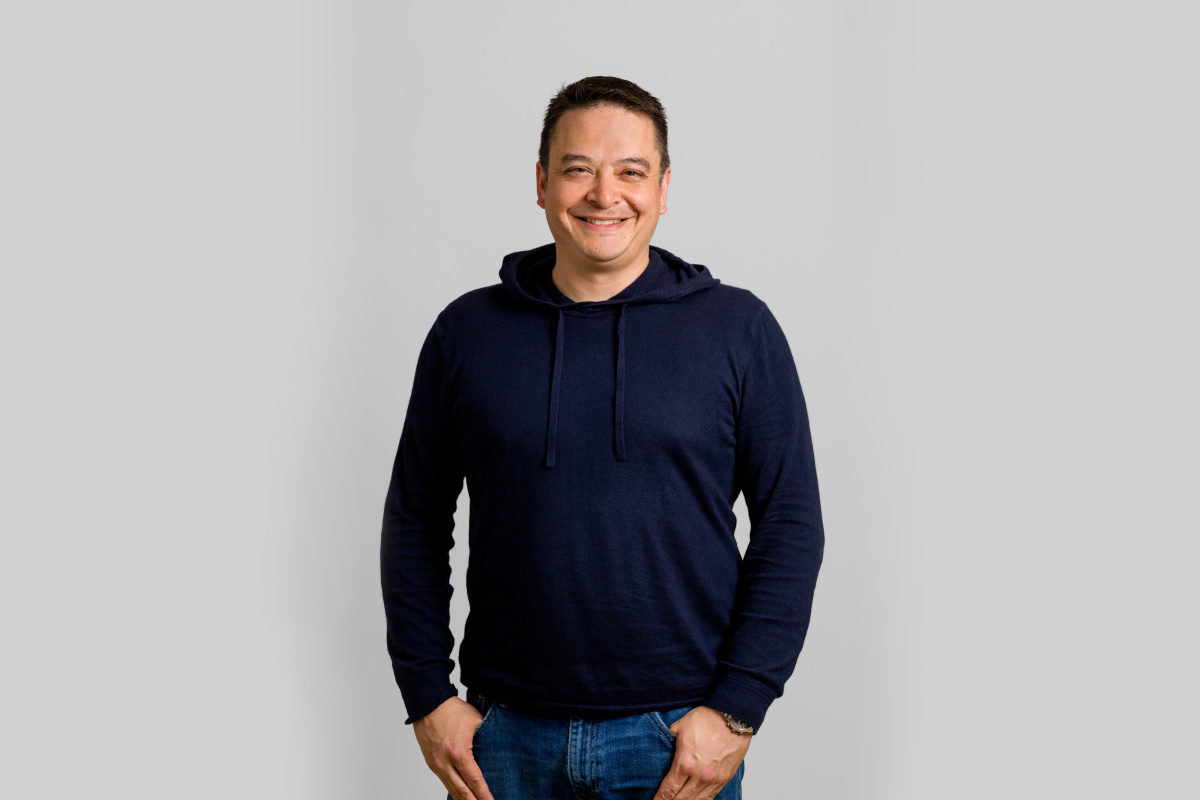
Professeur
Département de génie logiciel et TI
- Designing tools for computer-assisted surgical navigation, motion prediction, 3D reconstruction, and digital twins, as well as medical image viewing via augmented reality.

Professeur
Département de génie logiciel et TI
- Studying the potential of virtual reality and multisensory avatar embodiment, primarily in motor rehabilitation and sports performance.
- Transferring skills learned in VR into practice in the real world.
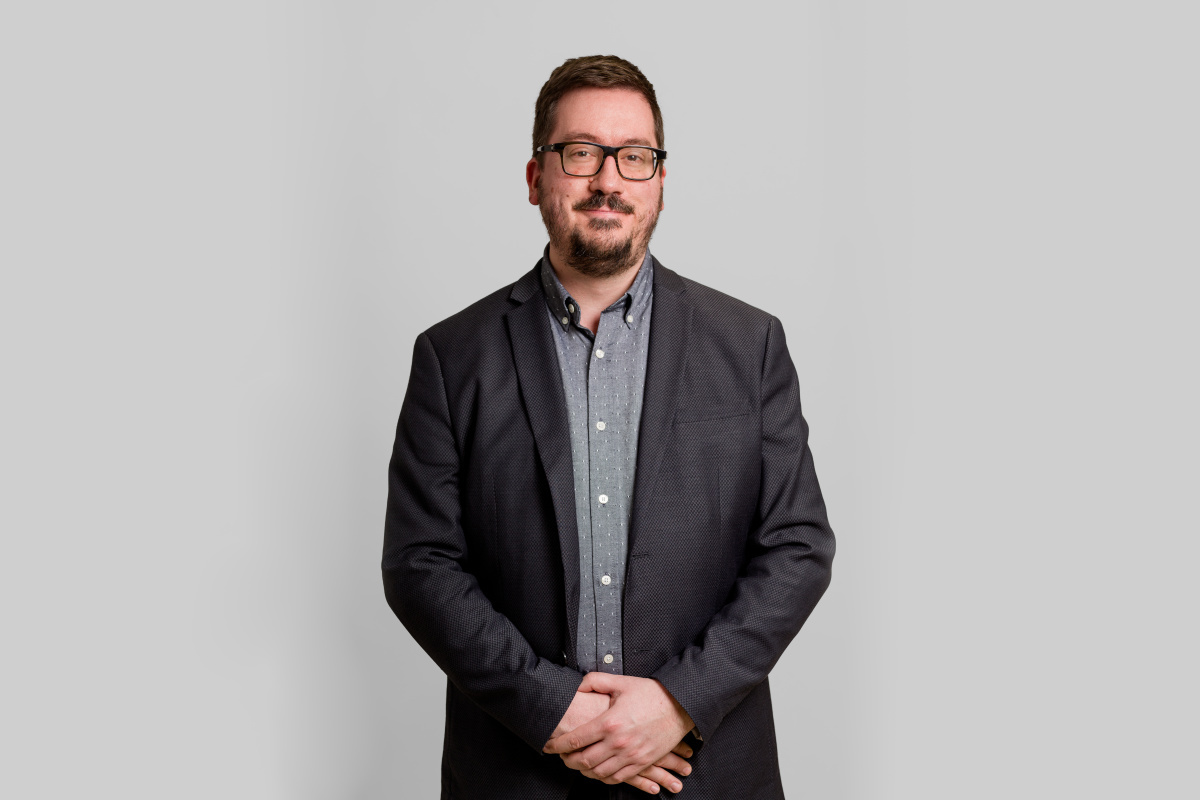
Professeur
Département de génie logiciel et TI
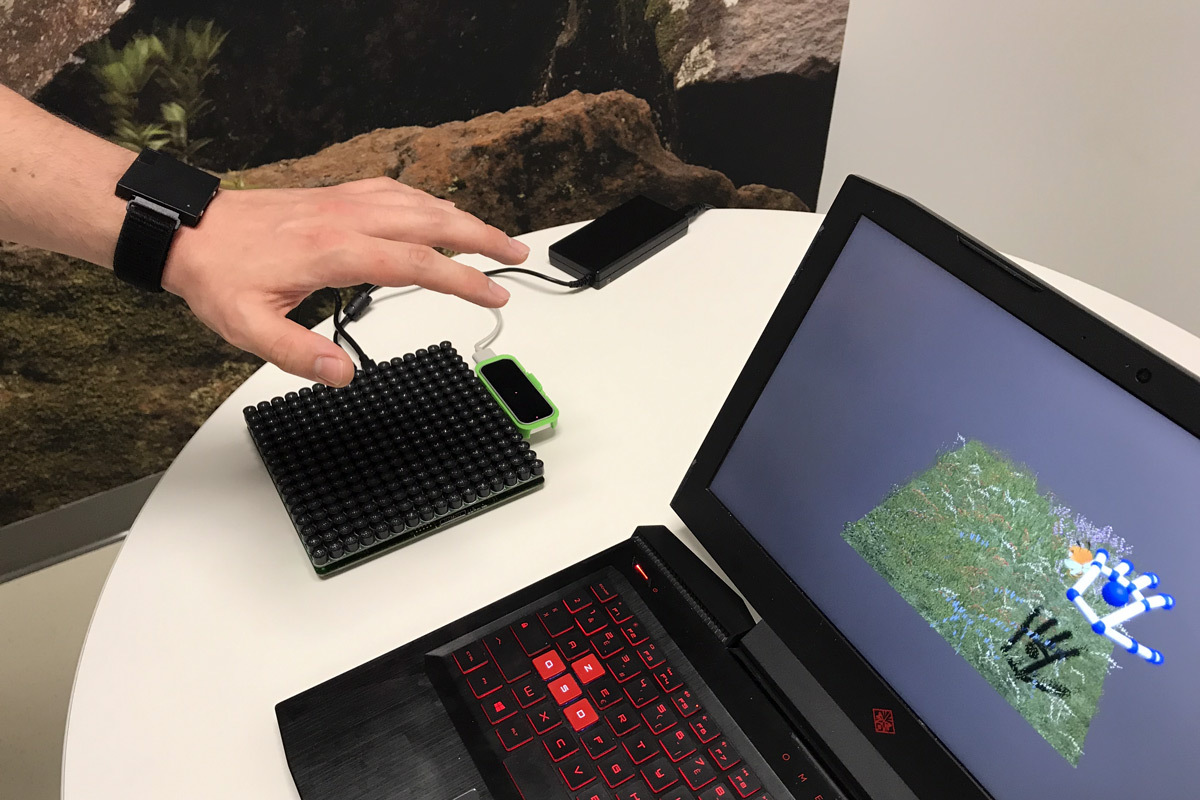
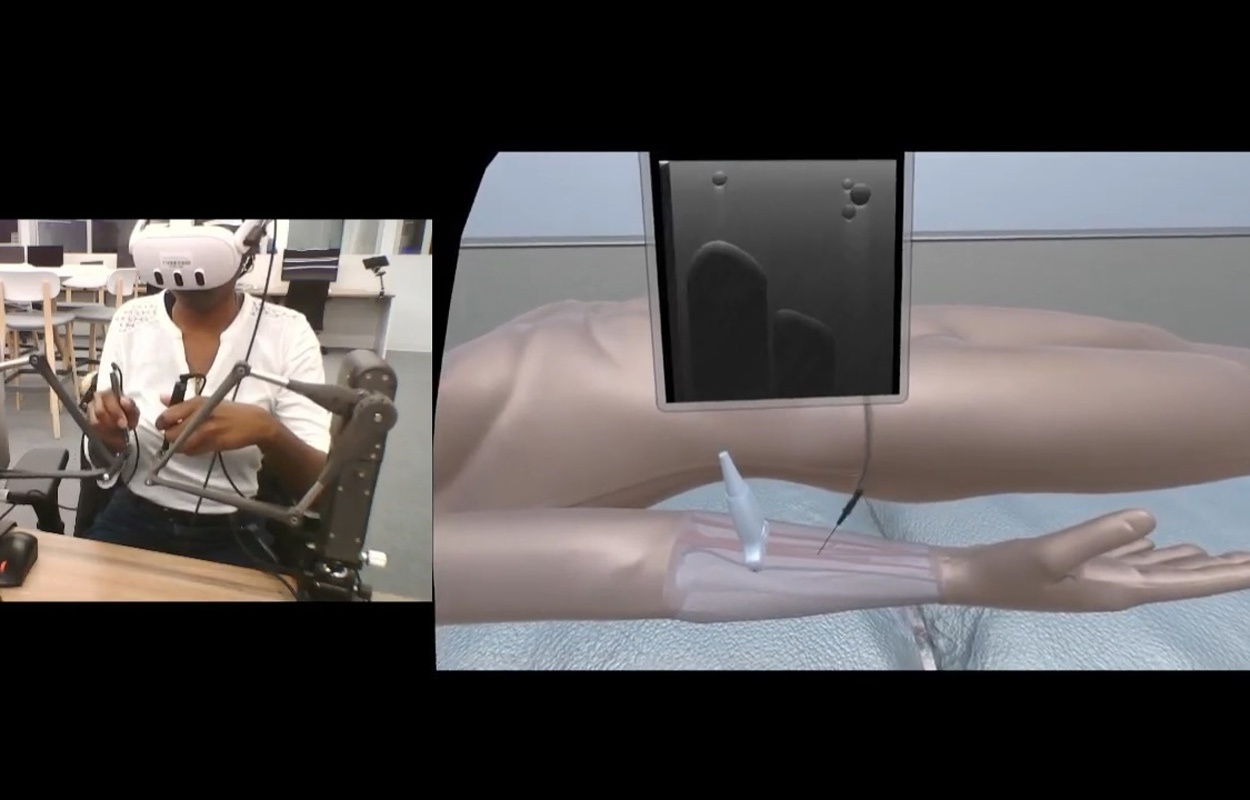
- Designing immersive experiences with haptic feedback in virtual reality.
- Simulating complex environments in virtual reality to evaluate interactions with haptic feedback (e.g. gesture-based haptic interface to control a smart home).

Professeure
Département de design
- Designing a gamified user experience combining virtual reality with a haptic interface.
- Applying the technology to video games, athlete training, and rehabilitation.
Professeur
Département de génie logiciel et TI
- Capturing, compressing, transmitting, and displaying immersive 360° video content in 3D.
- Reconstructing 3D models from images, modelling the human body and its motion, and changing physical appearance using augmented reality.
Our Work in Pictures
Contact us
Extended Reality Observatory
Email: simon.drouin@etsmtl.ca
Address:
1100 Notre-Dame Street West
Room A-4494
Montreal, Quebec H3C 1K3