January 16, 2026
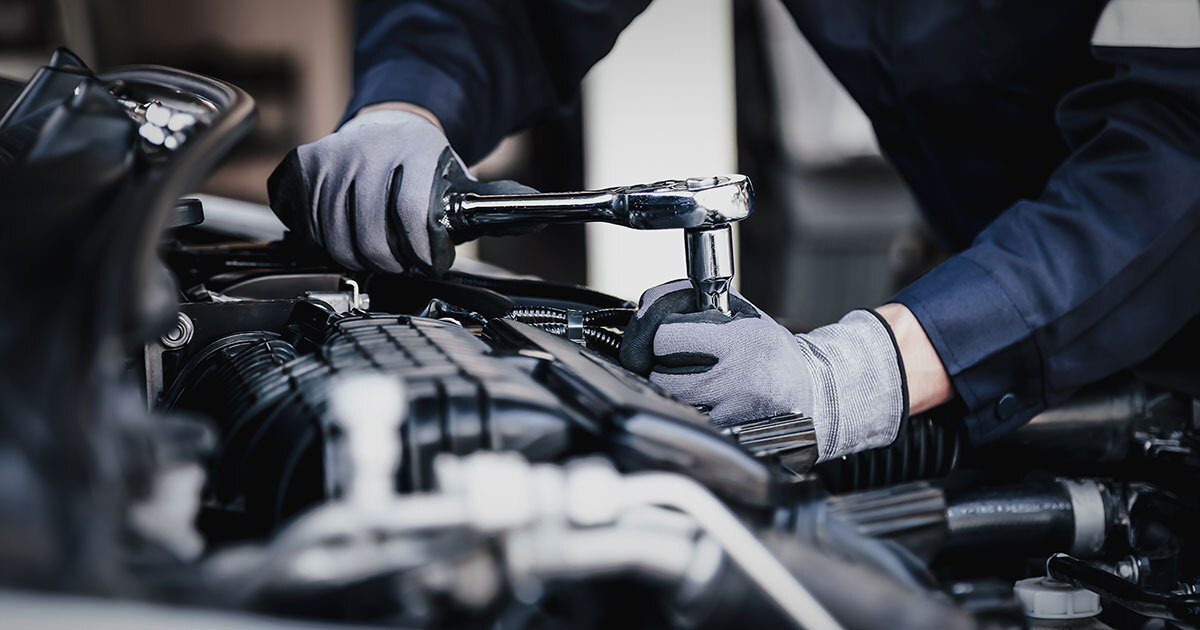
Since 2013, Jeason Blair has been a lecturer, teaching assistant, and professor in the General Education Department at ÉTS. “Teaching is part of my life, at least as much as racing,” he says.
Cars, Jeason Blair's avowed passion
“He fell in love with mechanics when he was a child.” Jeason grew up in a family of mechanics. At 19, he built his first car. Granted, it wasn't the design of the century, but it held its own on the Saint-Eustache racetrack. While engines held no secrets for young Jeason, programming was his weak spot. He enrolled in Natural Sciences at Dawson College, a program covering the main scientific fields preparatory to university.
At a crossroads
After a few semesters at Dawson College, Jeason lost his motivation and decided to change direction. “I knew I wanted to learn how to make my own engine parts for my race cars.” So, he opted for the machining program at the École professionnelle de l'Émergence in Deux-Montagnes. He earned his career diploma in 2009, followed by a specialization certificate in machining the same year.
Three months later, Air Canada, where Jeason completed his internship, offered him a position as a machinist in the landing gear department. He wasn't sure... He was already studying applied sciences at Collège Lionel-Groulx. His future employer was accommodating. In the mornings, Jeason attended his classes, then from 2 p.m. to 11 p.m., he was machining parts. “I did that for three years.” After a few months at Bombardier Aerospace, Jeason Blair began to wonder about his future. “It was really interesting to be a machinist, but I felt I could do more complex tasks.”
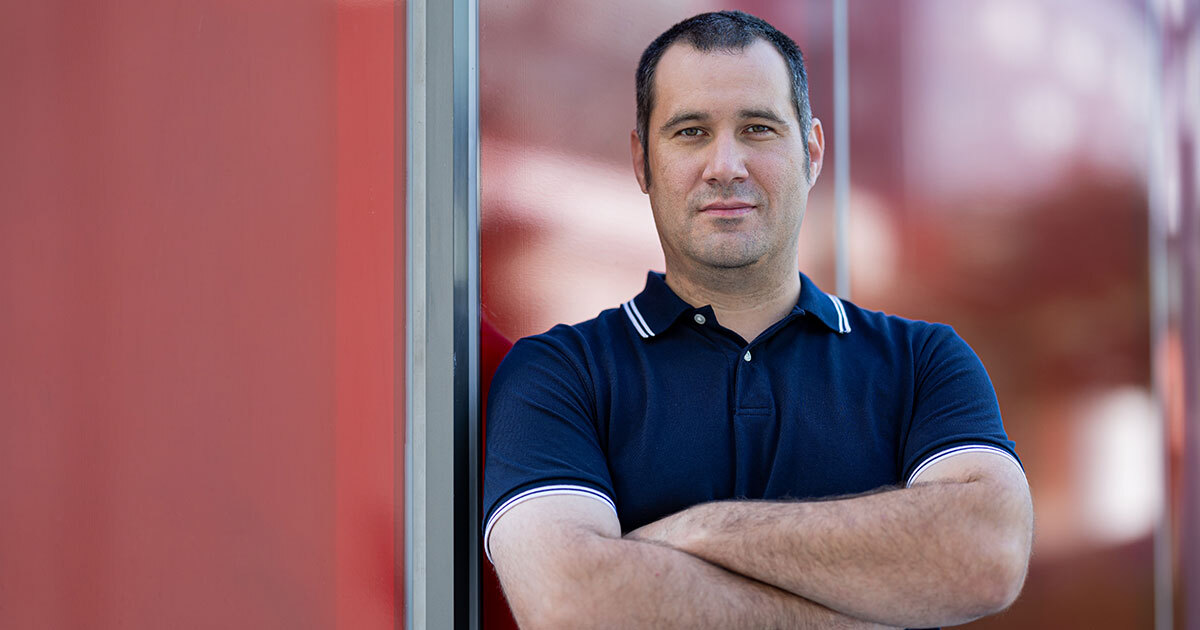
ÉTS Professor Jeason Blair
Jeason decided to enroll in the bachelor's program at ÉTS, but he first had to complete the Technological Academic Path (CUT). “The professors were very inspiring and accessible,” says Jeason enthusiastically. He collaborated on the construction of a remote-controlled vehicle and won first prize in the final competition. “We put so many hours into that project, it was crazy!” He felt right at home. Jeason completed his bachelor's degree in Automated Manufacturing Engineering in 2017 and began a master's degree in Systems Engineering at the same institution the following year.
Born to teach
Jeason Blair could have built a coveted career in industry, but he finds greater satisfaction in teaching. After teaching mechanics and machining at the Centre d’études professionnelles de Saint-Jérôme, he joined ÉTS in 2013 and is still here today. Highly regarded by his students, he received the ÉTS Award for Excellence in Teaching in 2022 and 2023. Professor Blair strives to help his students become the best versions of themselves by emphasizing their independence and creativity.
Jeason knows that his work is helping to train the next generation of engineers, who will evolve in a world where scientific progress and artificial intelligence will create challenges for humanity.
Is there a future for combustion engines?
In 2025, there was a total of 1.6 billion1 motor vehicles on the planet. This figure is expected to double by 2050. Do we need combustion engines? “Clearly, from an environmental standpoint, the best choice is not to own a car,” admits Jeason Blair. Is the electrification of all modes of transportation the solution? Jeason has his doubts. Resources are not unlimited.
The car issue is far from being resolved. It is all at once a luxury item, a source of passion, and a weapon of mass destruction. “Science has put us in this mess, so now we have to see it through to the end and see where it takes us,” concludes Jeason Blair.
________________________________________________________________________
1. Hedges, Jon. Hedges & Company. « How Many Cars Are There In The World? » October 26, 2025. [https://hedgescompany.com/blog/2021/06/how-many-cars-are-there-in-the-world/]