
October 5, 2026
Introduction
Steel is one of the most important materials used in modern life. It is an alloy mainly composed of iron and carbon, with small amounts of other elements. Its high strength, toughness, durability, and versatility make it widely used in buildings, bridges, automobiles, machinery, tools, and many other industrial applications.
Mold steels are a specialized group of steels used to manufacture molds for plastic components, such as bumpers, dashboards, and other automotive parts. These steels are often produced as large blocks to meet industrial application requirements. For example, mold steel blocks can have cross-sectional dimensions of approximately 760 × 1300 mm and lengths exceeding 2 m. A typical cross-section of a mold steel block is shown in Figure 1.
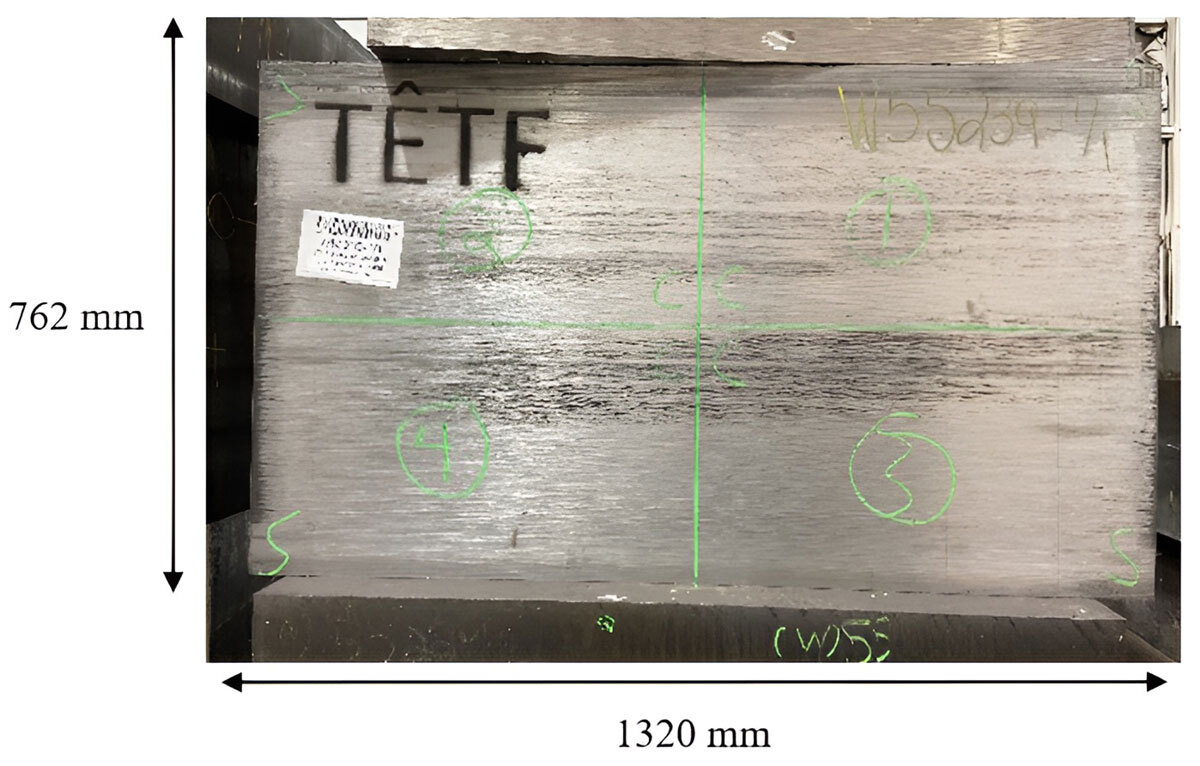
Figure 1 Section of industrial as-forged steel block
After production, these large mold steel blocks are machined to obtain the required shape and dimensions. The machined blocks are then used to manufacture molds for plastic components, such as automotive dashboards and bumpers.
The challenge of producing large steel blocks
In producing large mold steel blocks, heat treatment is critical to achieving the required mechanical properties. In this process, the steel block is first heated in a large furnace to a specific temperature. It is then rapidly cooled by immersing it in a pool of water. This process, known as quenching, increases the steel’s strength and hardness.
After quenching, the steel is reheated in a furnace to a lower temperature. This second step, known as tempering, adjusts the mechanical properties and reduces excessive hardness and internal stresses. The complete heat treatment process is therefore called Quenching and Tempering (QT) (Ren et al., 2022).
However, applying the QT process to large mold steel blocks can be time-consuming and energy-intensive because of their thickness and high mass (approximately 40 tons). A significant amount of time is required for the blocks to reach the target temperature (Figure 2). Large furnaces require a sizable volume of natural gas to heat these massive blocks. In addition, the long heating and cooling cycles result in considerable CO₂ emissions, which contribute to environmental pollution. A schematic representation of the QT process is shown in Figure 2.
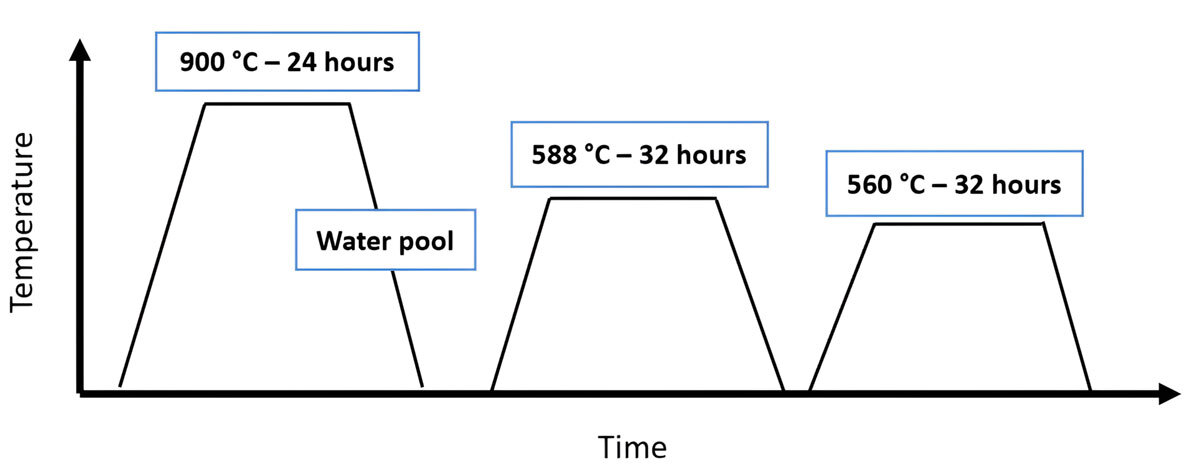
Figure 2 Conventional manufacturing process
A new approach
In this research, a new heat-treatment method was proposed for mold steel blocks with the objective of reducing processing time and energy consumption while maintaining the required quality and mechanical properties of the steel. By modification of an existing process, instead of rapid cooling of the hot steel block by immersion in a water tank, the block is held at a specific temperature for a period of time and then slowly cooled to room temperature. This process is known as austempering (Ståhlkrantz et al., 2024).
Another advantage of the proposed method is that only one additional heating step is required to adjust the steel’s mechanical properties, instead of the conventional two-step heating process used in the Quenching and Tempering (QT) method. This reduces processing time and energy consumption.
A schematic representation of the proposed heat treatment method is shown in Figure 3. Note that the proposed method was applied to smaller mold steel blocks, as no suitable equipment is currently available to perform the same heat treatment on large-scale blocks.
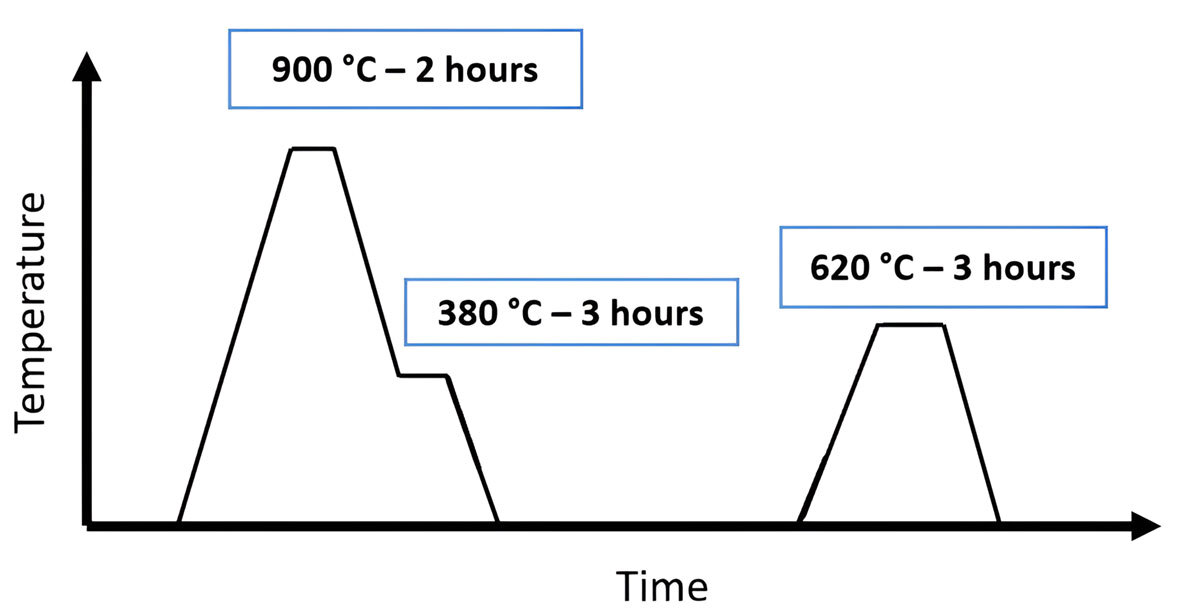
Figure 3 Proposed new manufacturing process (Austempering)
From the laboratory to industrial testing
Before conducting industrial-scale tests, all proposed methodologies and experimental procedures were firstevaluated at the laboratory scale. For this purpose, a dilatometer was used, as shown in Figure 4. This equipment can accurately reproduce the heat treatment cycles presented in Figures 2 and 3 using small steel samples.
The samples used in the dilatometer were cylindrical, with a diameter of 4 mm and a length of 10 mm. This laboratory-scale testing allowed the heat treatment conditions to be evaluated before applying the proposed method to larger steel blocks.
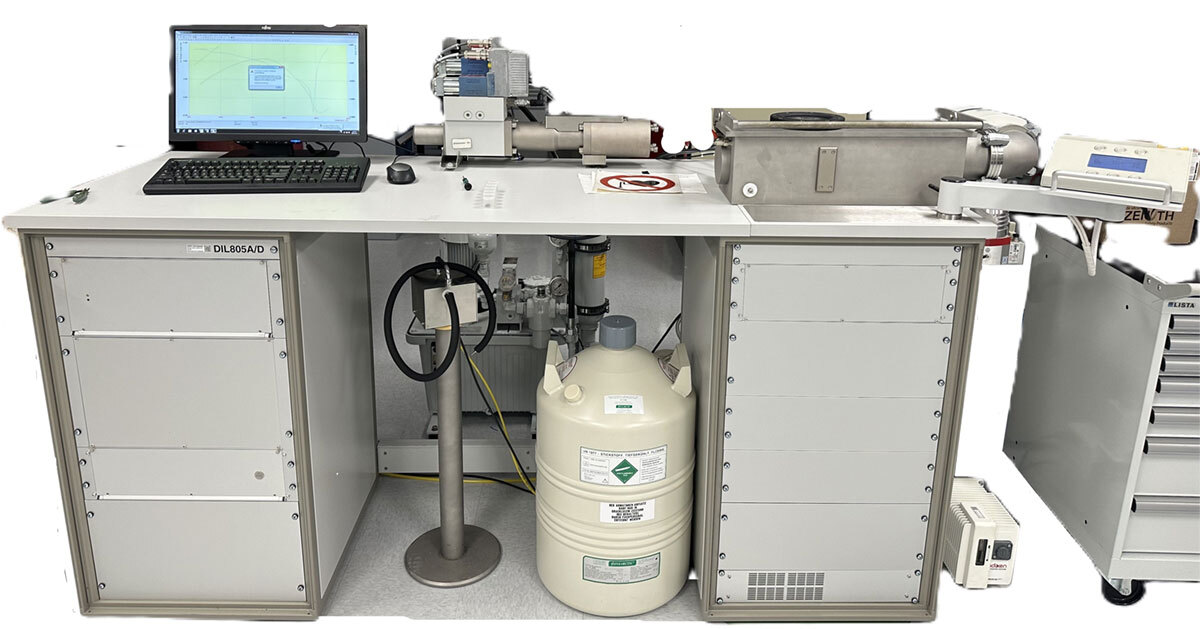
Figure 4 Dilatometry machine
Results
Analyses of the laboratory-scale results showed that the mechanical properties achieved using the proposed heat treatment method met the requirements of the industrial partner. Based on these results, the main parameters of the heat treatment cycle were determined, as shown in Figure 3, and an industrial-scale test was proposed.
The industrial test was conducted using an 8 × 8 × 12-inch mold steel. The results obtained from the industrial test were consistent with the laboratory-scale results, confirming the effectiveness of the proposed heat treatment method.
Conclusion
In conclusion, this research has demonstrated that the heat treatment cycle used for mold steel manufacturing can be modified to produce steel blocks with similar quality and mechanical properties in a shorter processing time. At least the second tempering step, which takes more than 30 hours, can be eliminated from the production process. The proposed method can reduce energy consumption and CO₂ emissions while increasing the production rate. These results show that the new heat treatment method has the potential to make mold steel production more efficient and environmentally friendly. The scientific details of this research were published in an article in the Journal of Materials Chemistry and Physics (Tolouei et al., 2025).
References
Focus Technology Co., L. (n.d.). Focus Technology Co., Ltd. https://changshengda.en.made-in-china.com/product
Ren, J., Li, C., Tu, X., & Shao, Z. (2022). Microstructure of Ultrafine Acicular Bainite and Mechanical Properties of 3Cr2MnNiMo Mold Steel during Austempering. steel research international, 93(9), 2200151. https://doi.org/https://doi.org/10.1002/srin.202200151
Ståhlkrantz, A., Hedström, P., Sarius, N., & Borgenstam, A. (2024). Influence of Austempering Conditions on Hardness and Microstructure of Bainite in Low-Alloyed Steel. Metallurgical and Materials Transactions A, 55(1), 209–217. https://doi.org/10.1007/s11661-023-07243-1
Tolouei, E., Saadati, M., Morin, J.-B., Garcia-Mateo, C., & Jahazi, M. (2025). Influence of bainitic transformation temperature on microstructure evolution during isothermal holding and subsequent cooling. Materials Chemistry and Physics, 345, 131248. https://doi.org/https://doi.org/10.1016/j.matchemphys.2025.131248