What are you looking for?
51 Résultats pour : « Portes ouvertes »

L'ÉTS vous donne rendez-vous à sa journée portes ouvertes qui aura lieu sur son campus à l'automne et à l'hiver : Samedi 18 novembre 2023 Samedi 17 février 2024 Le dépôt de votre demande d'admission à un programme de baccalauréat ou au cheminement universitaire en technologie sera gratuit si vous étudiez ou détenez un diplôme collégial d'un établissement québécois.

Innovations with High Market Potential
Are you looking for a competitive edge for your business? Integrate one of our inventions into your products and services.

Every year, École de technologie supérieure (ÉTS) develops dozens of innovations resulting from engineering research. Many of these technologies are patent-protected and available for licensing to companies looking to accelerate their innovation. They cover a wide range of sectors, including healthcare, artificial intelligence, medical technologies, advanced materials, energy, telecommunications, MEMS, photonics and the environment.

Our recent inventions
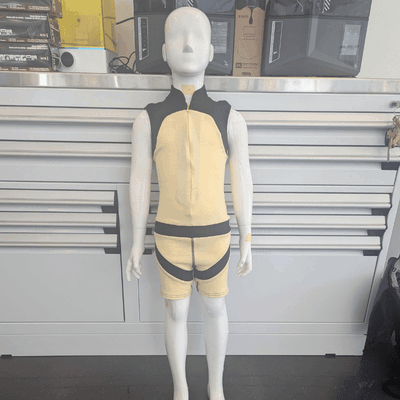
A child-sized mannequin dressed in a sporty, two-tone outfit, showcasing design innovations in textile technology.

Smart garment for real‑time 3D monitoring of scoliosis
A smart garment integrating innovative textile sensors to measure, in real time, the progression of scoliosis, without rigid components or ionizing imaging. Soft and non‑invasive, it allows continuous monitoring of spinal curvature and brace effectiveness.

This innovation addresses a major limitation of current practices, which still rely heavily on periodic X‑rays, exposing adolescents to repeated radiation and providing only a limited, momentary view of postural evolution.

Researcher and photo credit: Aruny Pathammavong (Ph.D. student)

Smart garment for real‑time 3D monitoring of scoliosis

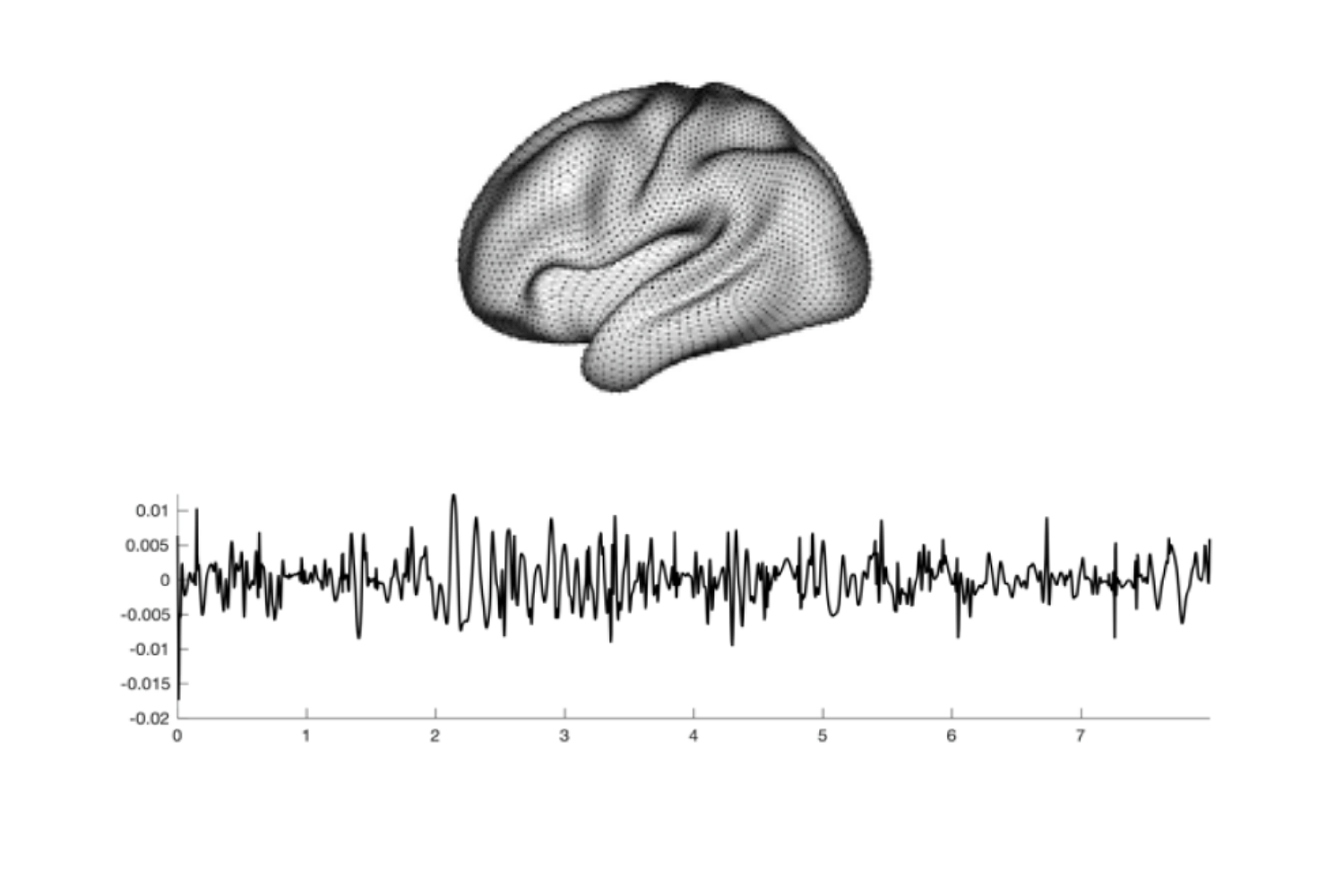
3D modeling of a brain with a graphical representation of neuronal signals below. Exploring neuroscience.

RnB: A selective method for isolating brain oscillations
The RnB algorithm improves EEG and SEEG analysis by isolating true brain oscillations while removing aperiodic noise. It facilitates the detection of neurological events and the identification of reliable clinical biomarkers for diagnosis and health monitoring.
The result? A clearer, more precise, and scientifically usable signal.

Researchers and photo credit: : Michael-Christopher Foti (Ph.D. student) et Jean-Marc Lina (Professor, Department of Electrical Engineering)

RnB: A selective method for isolating brain oscillations

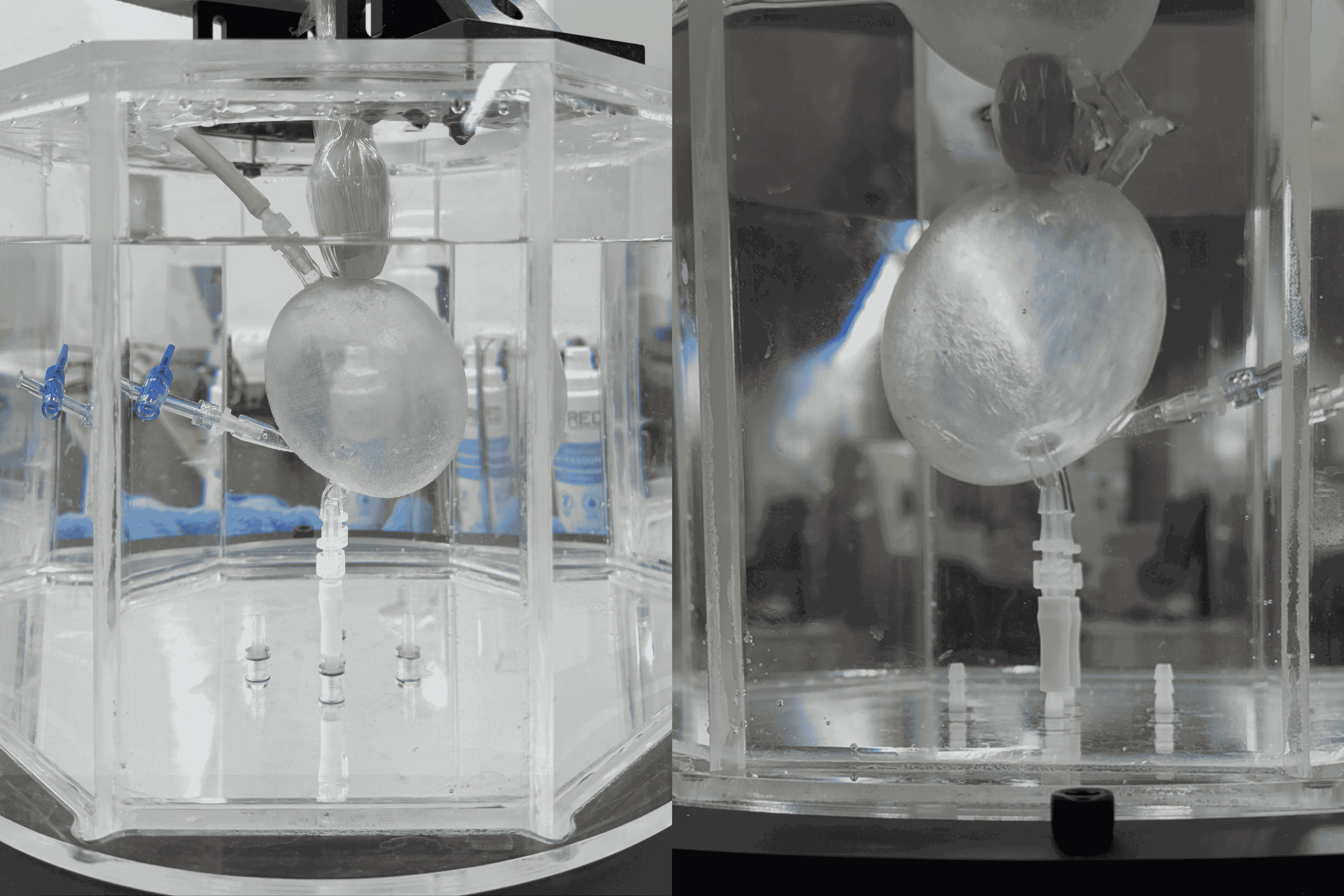
A transparent setup displaying a balloon-like device submerged in liquid, connected by tubes for experimentation.

Physiological bladder simulator for controlled analysis of ureteral jets
This anatomically realistic, fully controlled in vitro bladder simulator precisely reproduces ureteral jets. It integrates advanced imaging tools, offering a reproducible platform for diagnostic research and for validating urological devices.

This technology provides an ideal environment for diagnostic research, medical device validation, and technological development in urology.

Researcher and photo credit:  Kyarash Mohammadi (M.Sc.A) et Giuseppe Di Labbio (Professor, Department of Mechanical Engineering)

Physiological bladder simulator for controlled analysis of ureteral jets

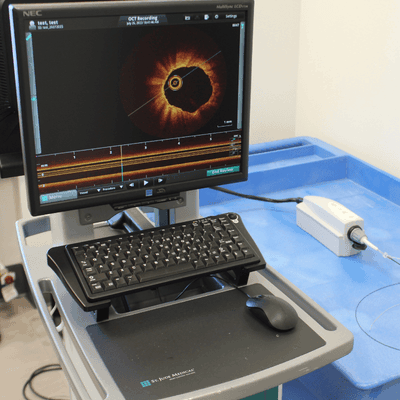
A high-tech workstation featuring an OCT imaging system for advanced technological research and analysis.

Automatic characterization of coronary artery tissues using OCT imaging
Leveraging deep learning combined with optical coherence tomography (OCT), this technology automatically detects and characterizes tissues layers inside the coronary arteries with high precision.

It enables early detection of tissue changes and supports clinical interpretation of OCT images.

Researcher and photo credit: Luc Duong (Professor, Software and IT Engineering Department)

Automatic characterization of coronary artery tissues using OCT imaging

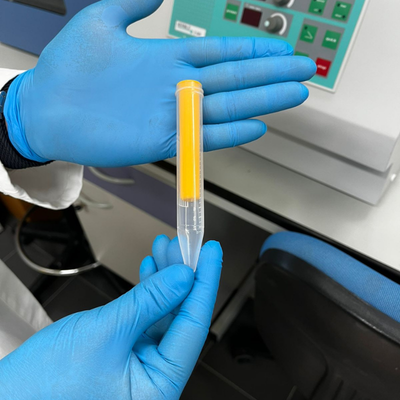
A researcher holds a centrifuge tube containing a bright yellow liquid, showcasing laboratory procedures in a technology-focused environment.

Pump‑free nanoparticle system driven by centrifugation
This compact system enables pump‑free nanoparticle fabrication. Through a micromixer, reagents are precisely mixed and fractionated directly inside standard laboratory tubes using centrifugal force.

The solution significantly reduces challenges related to cost, complexity, and reproducibility.

Researcher and photo credit: Vahé Nerguizian (Professor, Department of Electrical Engineering)

Pump‑free nanoparticle system driven by centrifugation

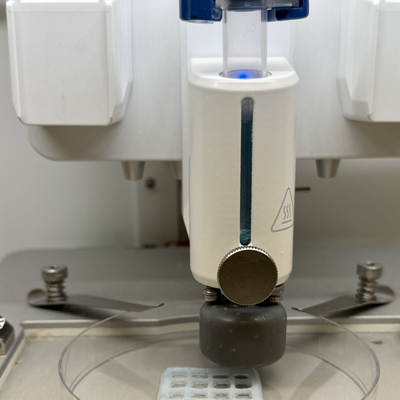
A precision instrument designed for advanced technological applications, focusing on meticulous sample analysis and experimentation.

Misting‑based 3D printing head for bio‑printing
This invention combines precise syringe-based dispensing with misting technology to uniformly deposit biomaterials for 3D bioprinting.

It reduces waste and improves printing quality for tissue engineering and regenerative medicine.

Researchers and photo credit: Sara Badr (Ph.D. student), Ali Ahmadi (Professor, Department of Mechanical Engineering)

Misting‑based 3D printing head for bio‑printing

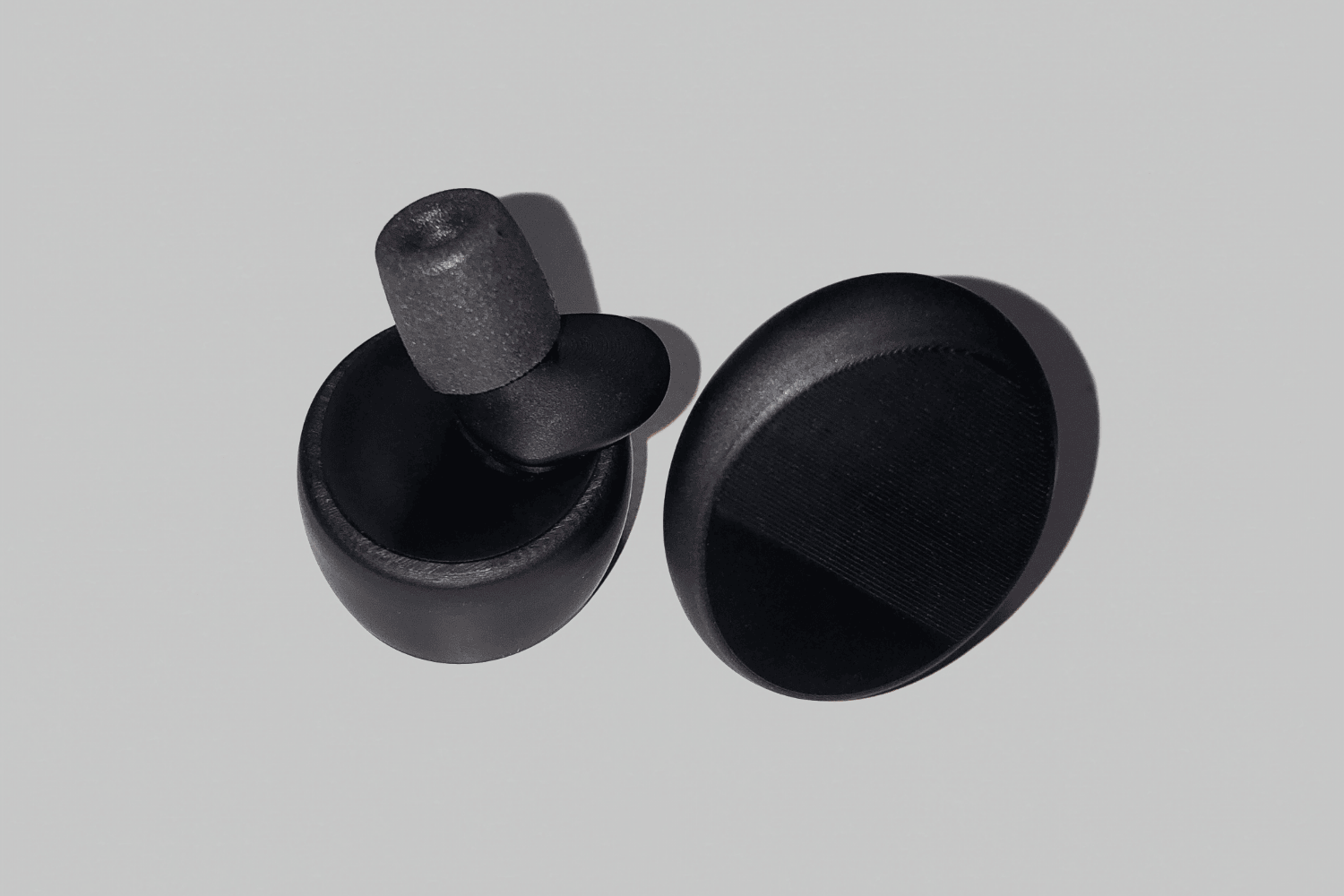
Dual-toned design elements featuring a sleek, modern aesthetic, suitable for innovative technology applications.

Passive earplugs offering natural perception of one’s own voice
These earplugs use advanced acoustic architecture to reduce external noise without amplifying internal sounds, including the user’s own voice. Ambient noise is attenuated while the voice remains natural—without resonance or muffled sensation. Acoustic comfort is significantly improved, and communication remains clear. The technology is fully passive, integrated directly into the earplug, and is currently deployed in earplugs developed by PhonicLab.

Researchers and photo credit: Kévin Carillo and Olivier Doutres (Professor, Department of Mechanical Engineering)

Passive earplugs offering natural perception of one’s own voice

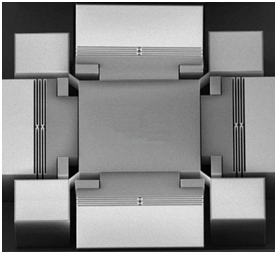
A detailed microstructure featuring symmetrical, block-like components with intricate designs, highlighting advanced engineering in technology.

High-precision MEMS clock

This innovative MEMS clock combines a micro-oscillator and an extremely accurate temperature control system on a single silicon chip. Until now, this level of frequency stability was reserved for much larger and more power-hungry electronic systems. Being compact and energy-efficient, the technology can meet the needs of critical systems in telecommunication, geolocation (GNSS), data centres, and high-precision instrumentation.

This invention solves a major problem affecting existing high-precision clock components, which require bulky, energy-intensive, thermally-insulated housings to maintain their stability. With an integrated silicon solution, achieving similar performance in a considerably more compact format is now possible.

Professor Frédéric Nabki’s research team is widely recognized for their expertise and leadership in the field of MEMS oscillators. AxioChron is marketing the technology.

High-precision MEMS clock

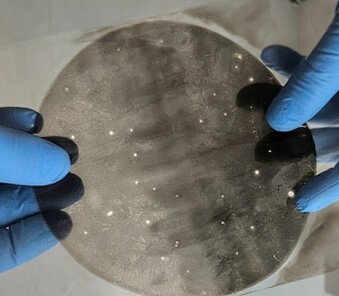
A circular sample with a textured surface, held by gloved hands, showcasing distinct patterns and features.

Printing photocatalytic surfaces for water treatment
Metal oxide-based active surfaces that decontaminate industrial water using light. Inktio has developed this innovative technology, which enables the crystallization of certain metal oxides, such as titanium dioxide, when exposed to visible light while consuming far less energy than conventional thermal processes.

This innovation addresses a major challenge in water treatment: producing high-performance photocatalytic surfaces on a large scale, while lowering the energy costs associated with their production. This technological breakthrough means it’s now possible to print these surfaces on plastic materials, facilitating industrialization of the technology and paving the way for new solutions to water-related environmental challenges.

The technology was developed by Jaime Benavides, Luis Felipe Gerlein Reyes, and Astrid Carolina Angel Ospina, with scientific support from Professor Sylvain Cloutier.

Printing photocatalytic surfaces for water treatment

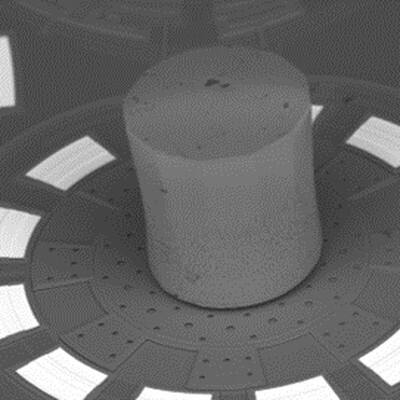
A cylindrical object positioned on a circular base with multiple holes, showcasing advanced engineering design and precision technology.

Micromotor-based optical MEMS scanner
Unleash the power of integrated optical components with rotary micromotors. Free rotation allows for unprecedented angular range or wavelength sweep. This innovative approach surpasses the current performance of micro-mirrors or micro-arrays. This technology is a promising enabler for optical MEMS platforms applied to LiDAR, spectrometers, AR/VR, etc.

Professor Michael Ménard’s research team is widely recognized for their expertise and leadership in the field of photonics integration.

Micromotor-based optical MEMS scanner

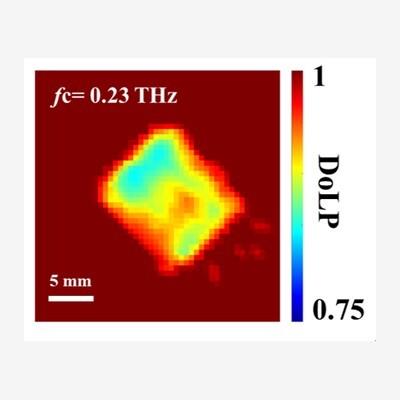
Imaging of polarization states at 0.23 THz, showcasing spatial variations with a scale of 5 mm.

THz polarimetric spectrometer

A compact and versatile polarization-resolved THz spectrometer and imaging system has been developed by integrating chopper wheel with polarization-sensitive frequency-selective surfaces and intensity detector. Inspired by visible/IR polarization imaging principles, this method eliminates the complexity of conventional THz polarimetric systems based on coherent THz-Time Domain Spectrometer (TDS) systems.

Professor François Blanchard’s research team is widely recognized for their expertise and leadership in the field of terahertz systems.

THz polarimetric spectrometer

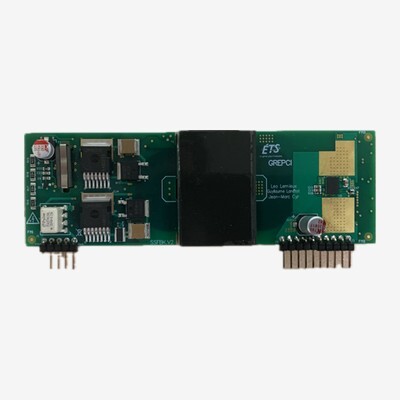
A sophisticated electronic circuit board featuring multiple components for advanced technological applications.

Compact 1 kVDC Auxiliary Power Supply
Designed for high-voltage DC systems, this compact isolated auxiliary power supply converts bus voltages up to 1 kVDC into regulated 24-48 VDC power for control electronics, sensors, communication modules, energy storage systems, EVs, charging infrastructure, renewable energy installations, and industrial equipment.

Its proprietary soft-switching technology delivers high efficiency, ultra-low EMI emissions, reduced thermal stress, and exceptional power density, enabling simpler integration, improved reliability, and lower system costs.

Developed from the world-renowned research of Professor Kamal Al-Haddad and his power electronics team at ÉTS, this technology is now being commercialized by the startup Ondulo.

Compact 1 kVDC Auxiliary Power Supply

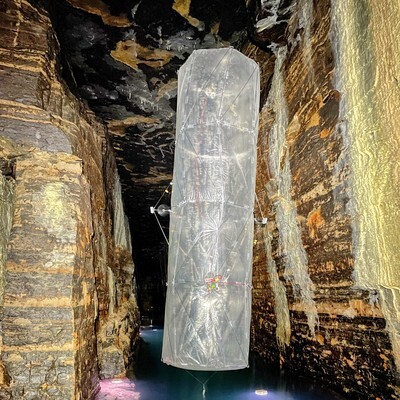
A translucent structure suspended in a cavern, surrounded by textured rock formations and water reflections.

Ultralight Low-Helium-Leakage Envelope
Designed for balloons and airships, this ultralight envelope improves the endurance and reliability of lighter-than-air platforms used for surveillance, telecommunications, scientific observation, and advertising. Compared with current solutions, it delivers a stronger balance of low weight, tear and puncture resistance, lower helium leakage than polyurethane, and better humidity tolerance, making it well suited for extended operations in demanding environments.

Invented by ÉTS professors David St-Onge and Ilyass Tabiai, with their student Afsaneh Kheirani, a specialist in lighter-than-air vehicle design.

Ultralight Low-Helium-Leakage Envelope

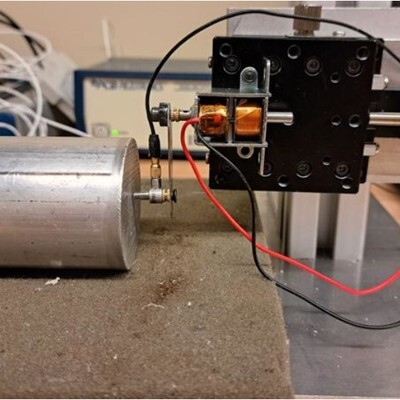
A close-up view of a setup featuring a motor connected to a control mechanism, showcasing advanced engineering components.

Blade-Based Automatic Modal Hammer for Dynamic Testing and Non-Destructive Evaluation

This automated modal hammer delivers highly repeatable and accurate dynamic testing compared with conventional manual impact methods. Its innovative design combines a bi-directional actuator with a resilient blade mechanism that prevents double hits, resulting in cleaner measurements and more reliable modal analysis. Compact, configurable, and compatible with standard data acquisition platforms, the technology is well suited for material characterization, modal testing, and non-destructive evaluation of composite or layered structures, including applications in confined or climate-controlled environments.

This technology was developed by Professors Jean-Claude Carret and Martin Viens of ÉTS. Their complementary expertise in material characterization, dynamic testing, and non-destructive evaluation strengthens the development of advanced industrial inspection and measurement technologies.

Blade-Based Automatic Modal Hammer for Dynamic Testing and Non-Destructive Evaluation

Commercializing an ÉTS Technology: Frequently Asked Questions

Companies interested in commercializing a technology developed at ÉTS can contact the Partnership Initiatives Office (BIP). The BIP serves as the gateway for companies seeking to connect with ÉTS research teams and supports them in establishing research and development collaborations and projects. To learn more about the services offered: Let’s find the solution together.

The inventions presented on this page are protected by patents and may be licensed to companies interested in commercializing them.

Yes. ÉTS offers various types of collaborations to organizations, including SMEs, non-profit organizations, municipalities, and public-sector organizations. Companies can choose the approach that best meets their needs, budget, and timeline. For more information: Partnerships with businesses.

Inventions developed at ÉTS and available for commercialization cover a wide range of fields, including healthcare, artificial intelligence, energy, telecommunications, photonics, advanced manufacturing, and aerospace.

Yes. A company can integrate an invention developed at ÉTS into its products or services. If it wishes to commercialize a patented technology featured in the ÉTS technology portfolio, it can contact the Partnership Initiatives Office (BIP). The BIP will support the company throughout the process and connect it with the research teams involved in the project. To express interest, simply complete the contact form

A license allows a company to use or commercialize a patented technology developed at ÉTS, according to terms agreed upon with ÉTS. The patent protects the invention and establishes, among other things, the rights related to its use, manufacture, and sale by third parties in a given country. For a company, a patented technology can provide a competitive advantage when integrated into its products or services.

A research collaboration, on the other hand, allows a company to work with ÉTS researchers and access their expertise, students, and state-of-the-art equipment to carry out a research and development project. Several collaboration models are available for projects of varying scope, including research and development contracts, projects carried out by undergraduate, master’s, or doctoral students, equipment rental, and technical or legal expertise. The ÉTS Partnership Initiatives Office can help companies determine the approach that best suits their needs, budget, and timeline. For more information: ÉTS–Business Collaboration.

Interested by our inventions?

In progress.