
DIAGNOS Research Chair on Artificial Intelligence in Medical Imaging
About the Chair
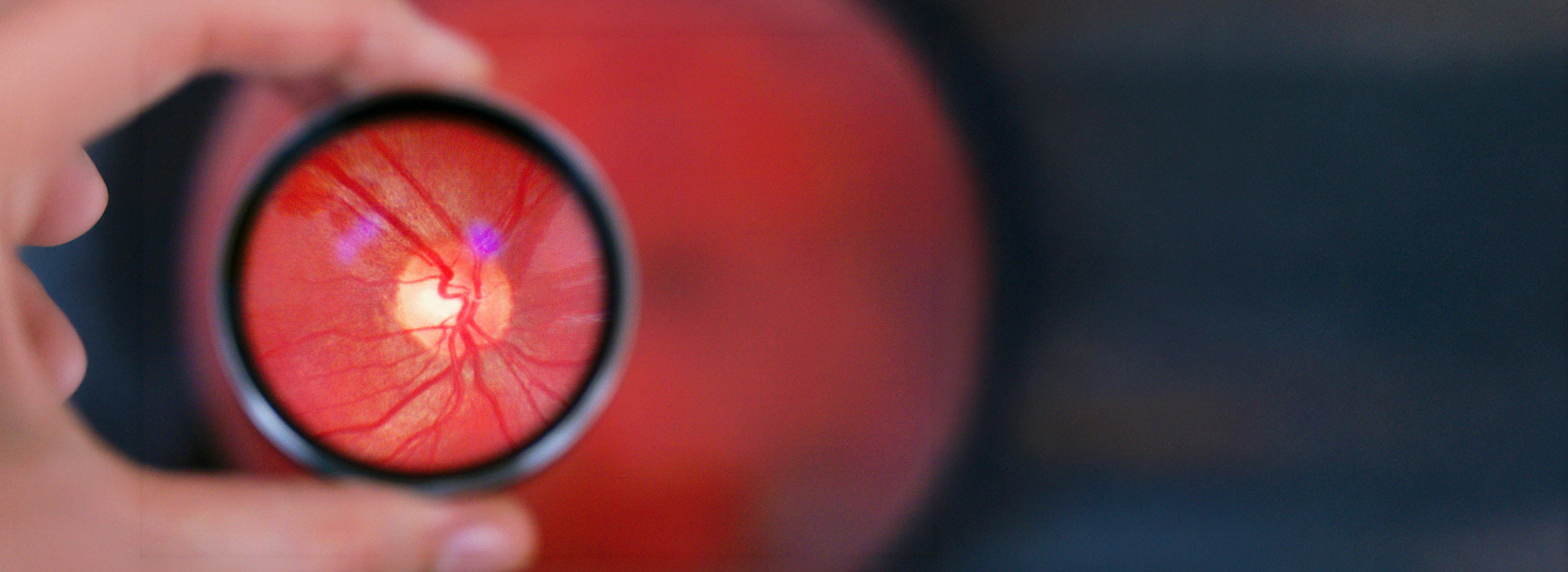
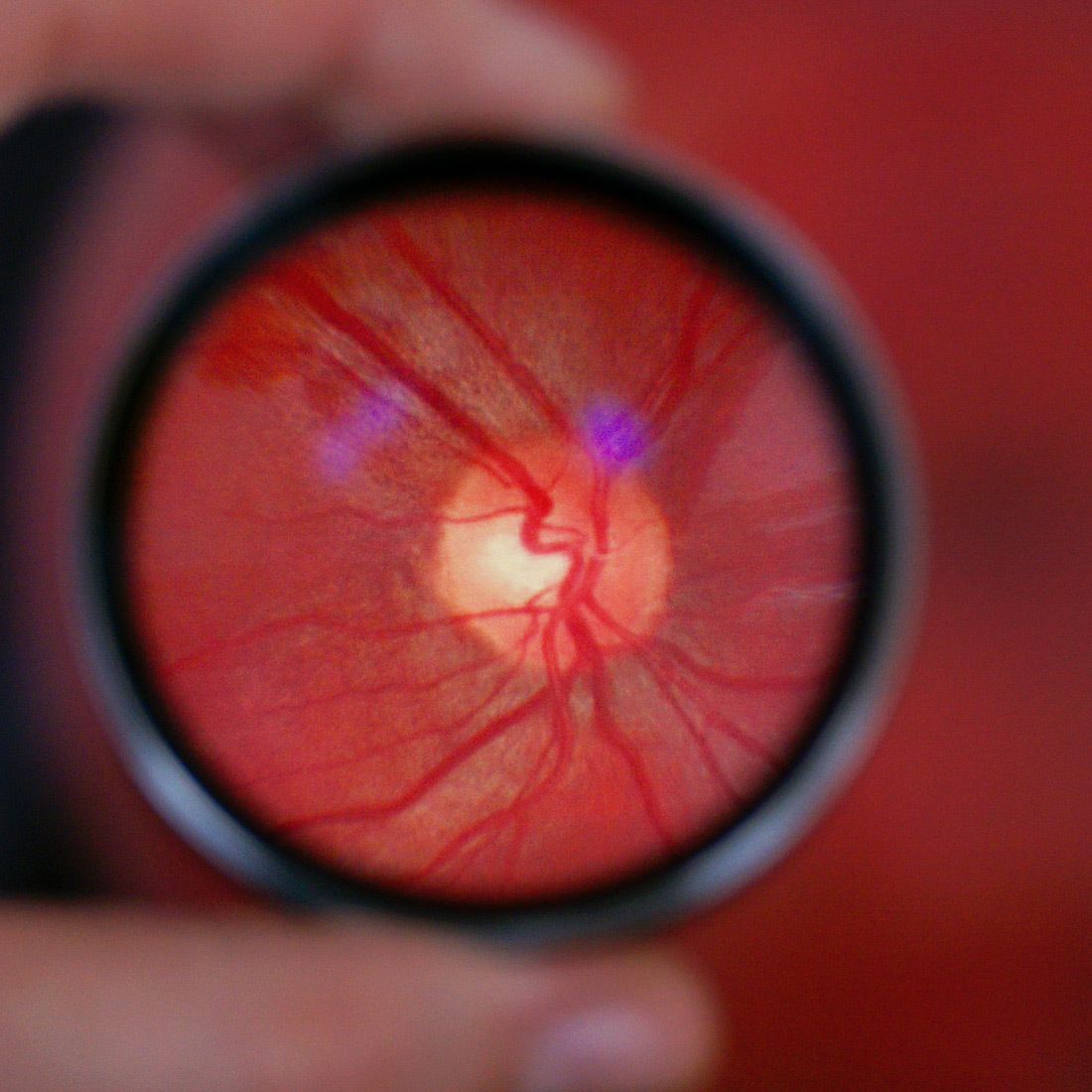
The DIAGNOS Research Chair on Artificial Intelligence in Medical Imaging is dedicated to developing artificial intelligence algorithms for retinal image analysis. Its objective is to push the boundaries of current technologies to turn the retina into a genuine tool for global health.
More specifically, the Chair develops deep learning methods capable of detecting and diagnosing more than 100 ocular and systemic diseases from affordable retinal images. These tools also allow for a detailed analysis of blood vessels, lesions and other subtle biomarkers, while being high-performing, robust and interpretable.

Research impacts
Beyond improving the industrial partner’s AI solutions, the Chair’s work addresses major challenges in artificial intelligence and medical imaging. Ultimately, these technologies could be deployed on a large scale for population screening, promoting earlier detection and faster treatment of numerous pathologies.
Concretely, our research program will make it possible to:
Develop new AI models dedicated to the retina, capable of learning from vast datasets of unannotated images and texts while integrating medical knowledge.
Design methods to adapt these models to real-world conditions, ensuring they remain reliable even when conditions change (new devices, new populations, new data).
Develop algorithms capable of identifying, analyzing and illustrating fine details in retinal images, such as lesions, blood vessels or other signs of disease, to help better understand what the AI sees and support medical decisions.
Integrate mechanisms that quantify AI results reliability, providing clinicians with both predictions and clear confidence levels—a critical requirement for safe, large-scale clinical adoption.
Our industrial partner

Contact the Chairholder
Research at ÉTS
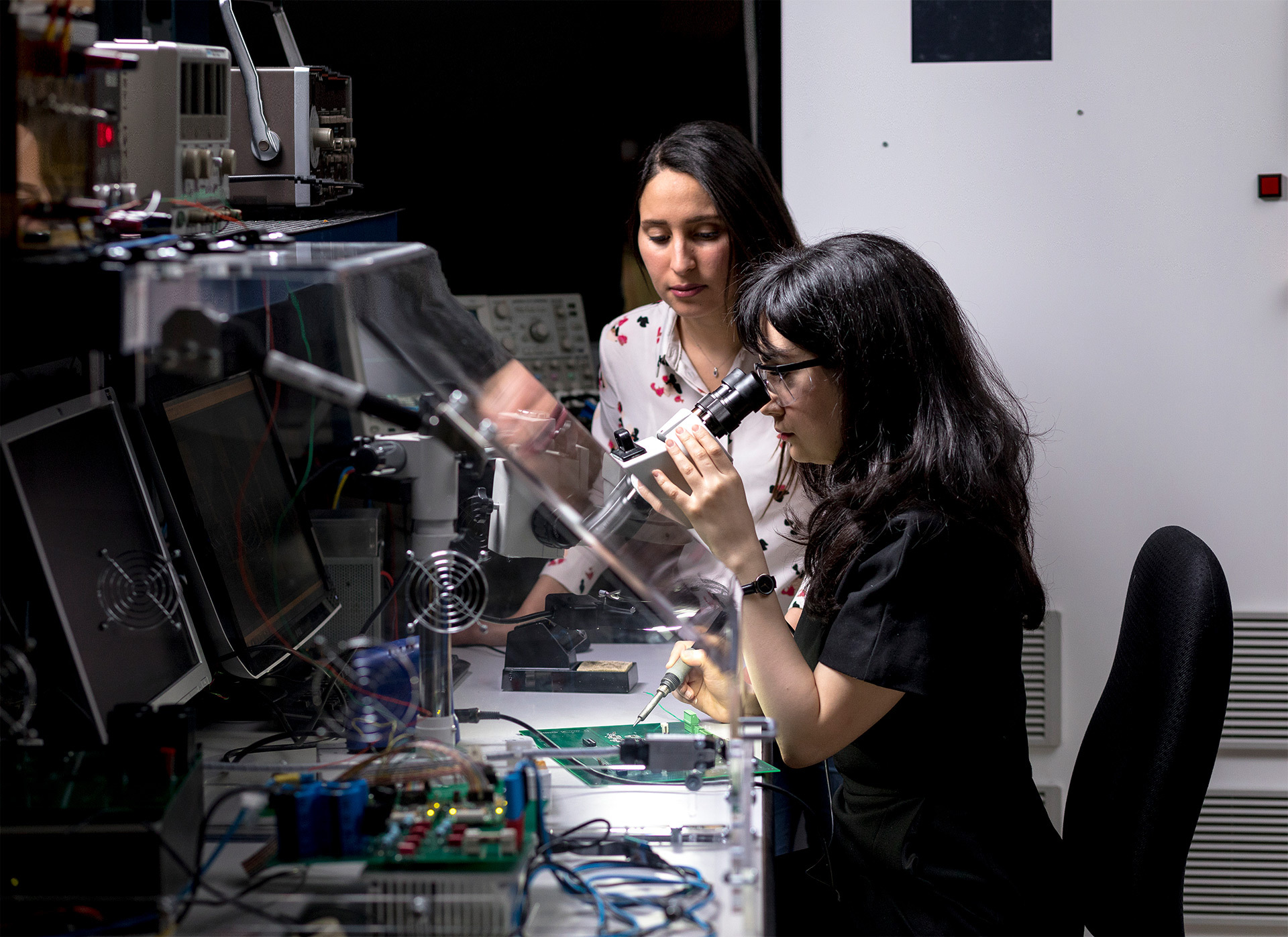
ÉTS provides an ideal environment for conceiving and creating the ideas that will shape the world of the future.