

21 février 2022
EXO – Ergonomics Laboratory
About the Laboratory
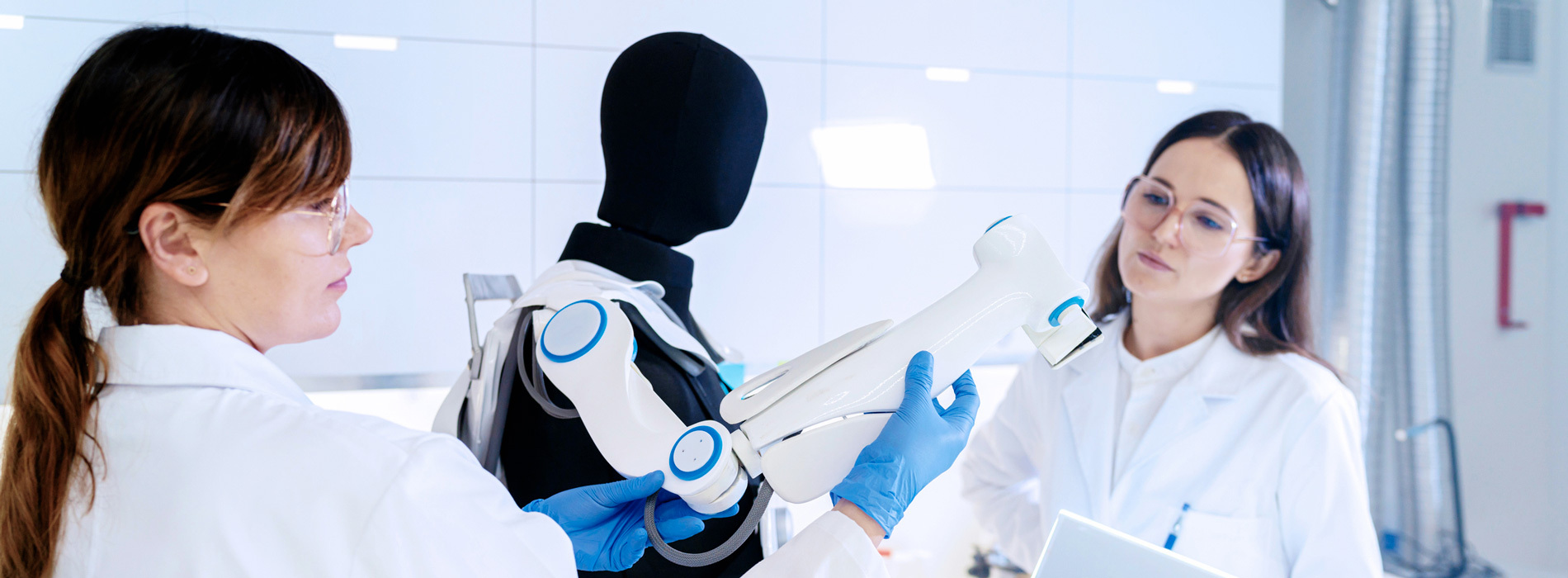
The EXO Ergonomics Laboratory, affiliated with the Department of Mechanical Engineering at ÉTS, studies interactions between humans, technology, and the work environment. The laboratory’s research focuses on the design, evaluation, and integration of wearable assistive technologies, including industrial exoskeletons, to improve health, safety, and comfort in the workplace. The goal of the laboratory is to acquire knowledge and develop solutions based on evidence that can be transferred to industrial settings.
Our work combines applied engineering with biomechanics, ergonomics, physiology, and human-centred design to understand, measure, and improve physical and cognitive workloads. This approach helps us to understand how technology can be adapted to human capabilities and reduce physical and cognitive constraints. To achieve this, we draw on biomechanical and physiological measurements, experimental protocols, ergonomic assessment methods, modelling tools, and user studies:
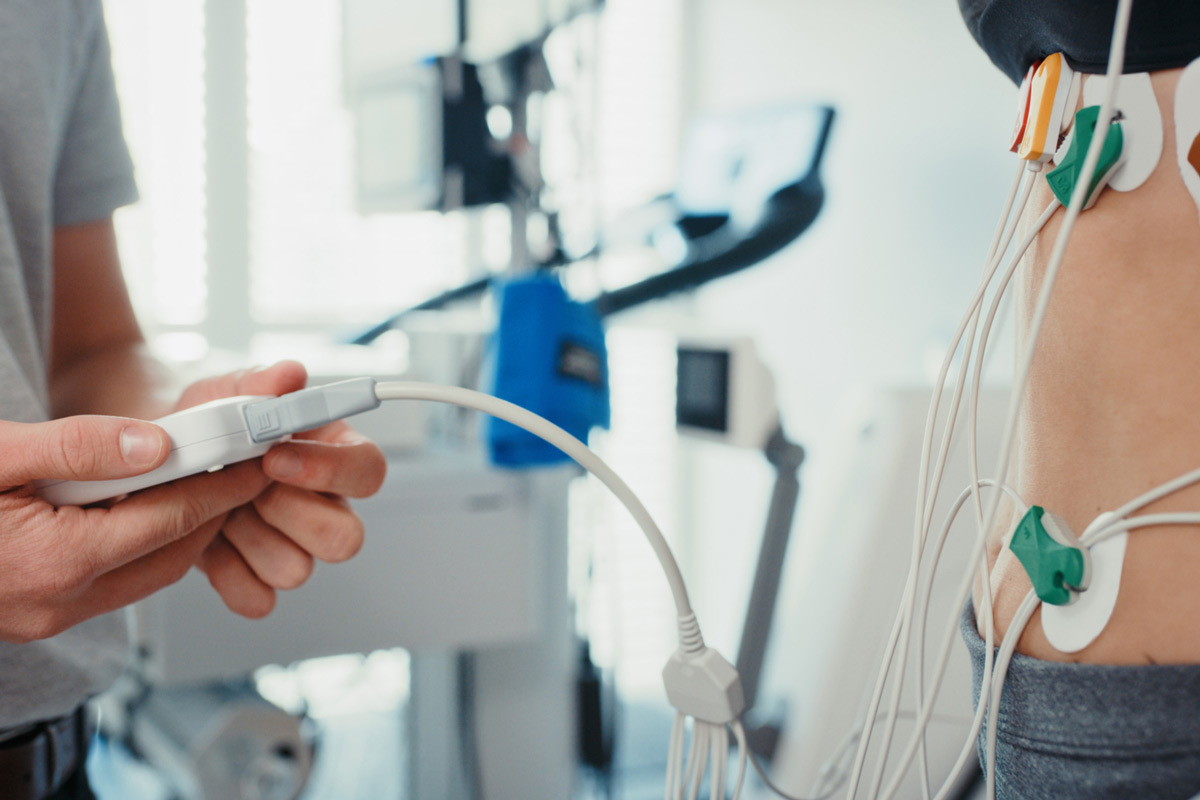
Biomechanical
Physiology
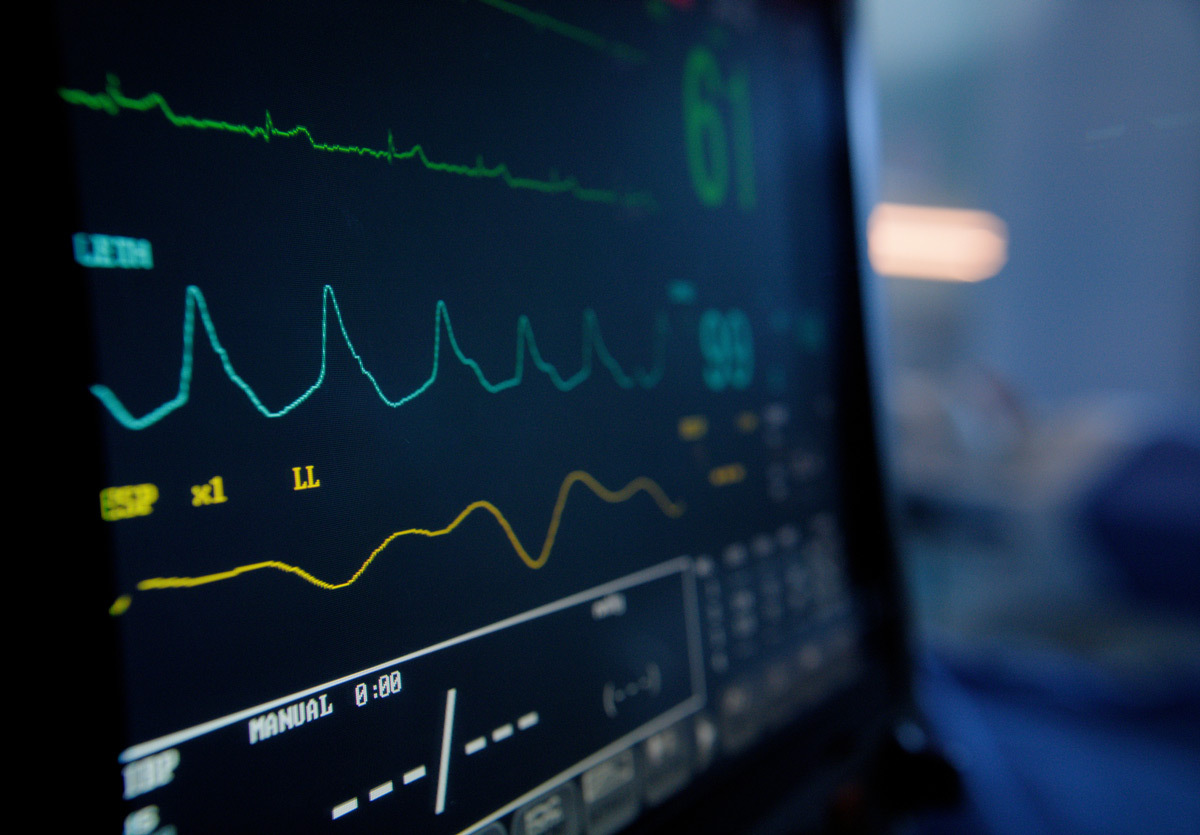
Signal processing
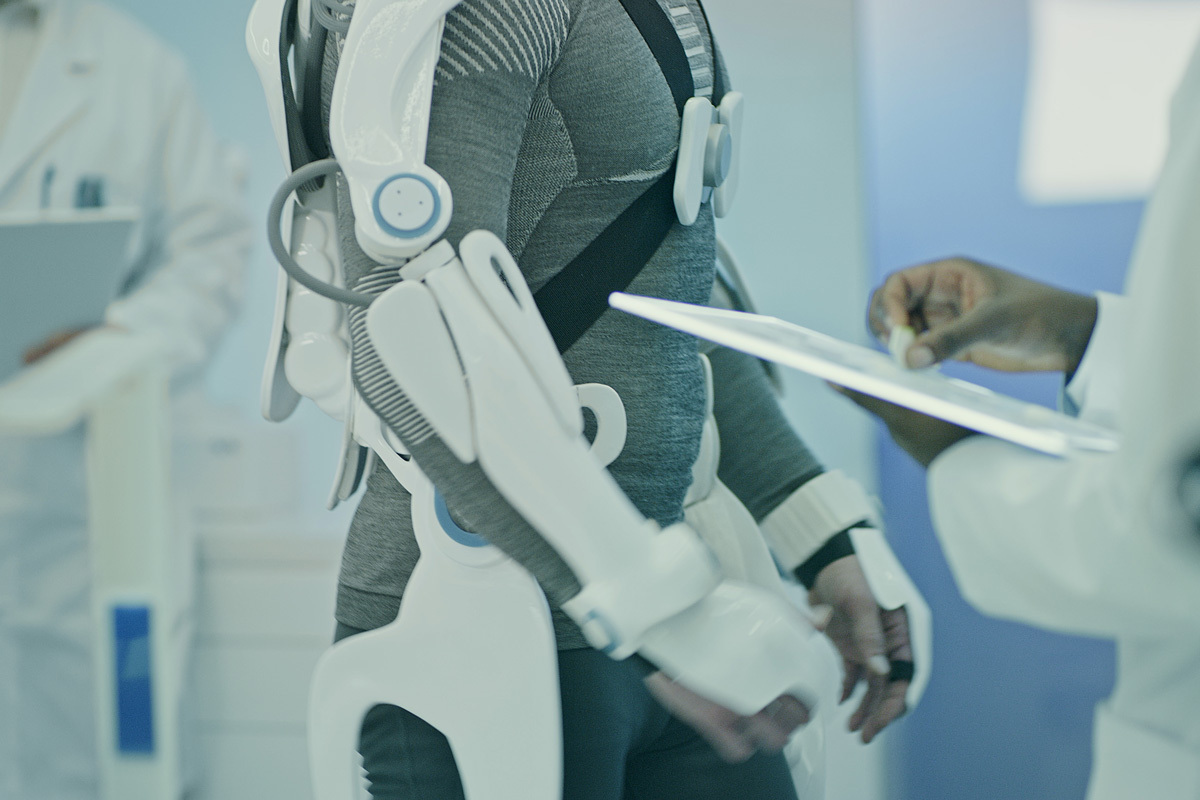
Kinematic analysis
Mission
The laboratory’s mission is to develop and assess assistive technologies and ergonomic approaches based on motion measurement, biomechanical analysis, and an understanding of human factors, in order to promote health, safety, and well-being in the workplace.
Vision
The laboratory’s vision is to become a Québec, Canadian, and international centre of excellence in ergonomic engineering and assistive technologies, and to be recognized for its inclusive solutions adapted to human diversity.

The laboratory is part of the itechsanté network, an ÉTS research and innovation institute that is focused on developing and integrating technologies in the areas of health, rehabilitation, and well-being in the workplace.
This network relies on collaboration between research, clinical settings, and industrial sectors to improve the health of the population and the Québec healthcare system.
Research Areas
- Portable Assistive Technologies and Exoskeletons
Design, anthropometric adjustments, and ergonomic validation. - Physical Ergonomics and Human Factors
Prevention of musculoskeletal disorders, postural analysis, biomechanical load, and muscle fatigue.
- Physiology and Biomarkers of Stress
Assessment of mental and physical load using electromyography (EMG) and heart rate variability (HRV). - Kinematic Analysis and Biomedical Signal Processing
Inertial sensors, data fusion, machine learning, and motion modelling.
- Inclusive Design and Human-Technology Interaction
Human-centred design, usability testing, and real-world integration of wearable technologies.
Our Team
Laboratory Director

Professeure
Département de génie mécanique
Researcher in physical ergonomics and assistive technologies. Her research is focused on the prevention of musculoskeletal disorders and the inclusive design of exoskeletons, merging scientific rigour, industrial vision and sensitivity to human diversity.
Student Members
- Dieula Cazeau, doctoral student at the Department of Mechanical Engineering, ÉTS
Her research is focused on improving the ergonomics of industrial exoskeletons and integrating assistive technologies, which are tailored to the diversity of the end users. She uses an interdisciplinary approach that combines engineering, ergonomics, and human factors analysis.
Research Projects
- Development of a cost-effective portable electromyogram for measuring the muscle activity of workers while on the job
- Assessment of postural equilibrium in the elderly, using inertial measurement unit (IMU) devices
- Monitoring stress and the risk of falls during daily activities, based on heart rate variability: A machine learning approach
- Characterization of movement of the human body using data from accelerometers and gyroscopes from inertial measurement units
- Assessment of postural equilibrium in the elderly who live at home using the Berg Balance Scale
- Analysis of heart rate variability in agricultural workers
- Impacts of wearing passive exoskeleton back support on muscle synergies
- Evaluation of the effectiveness of passive exoskeleton back supports on muscle activity
- Systematic review of the effectiveness of orthoses, prostheses, and exoskeletons in the rehabilitation of musculoskeletal disorders (MSDs) of the back in adults
- Ergonomic improvement of the use of industrial exoskeletons: Customized integration and prevention of musculoskeletal disorders.
Projects Available to Students
The laboratory is always looking for motivated and interested individuals to carry out its projects. To learn more about the projects available to students, please visit the student projects page.
Frequently Asked Questions
Yes. Our research necessitates a variety of skills, including mechanical engineering, biomechanics, data processing, technical design, scientific communication, 3D modelling, and qualitative analysis. We especially encourage applicants from interdisciplinary backgrounds.
Yes. International students must first check the admission requirements with their home institution and consult the ÉTS guidelines for laboratory research internships. Once your eligibility has been confirmed, you may contact us to discuss potential projects or collaborations.
Yes. The laboratory offers specialized presentations and customized workshops on ergonomics, the prevention of musculoskeletal disorders, industrial exoskeletons, and wearable assistive technologies.
Ergonomics Lab News

14 février 2022
Engineering Applied to Agricultural Industry
Contact us
EXO—Ergonomics Laboratory
École de technologie supérieure (ÉTS)
Department of Mechanical Engineering
1100 Notre-Dame Street West
Montréal, QC H3C 1K3
Research at ÉTS
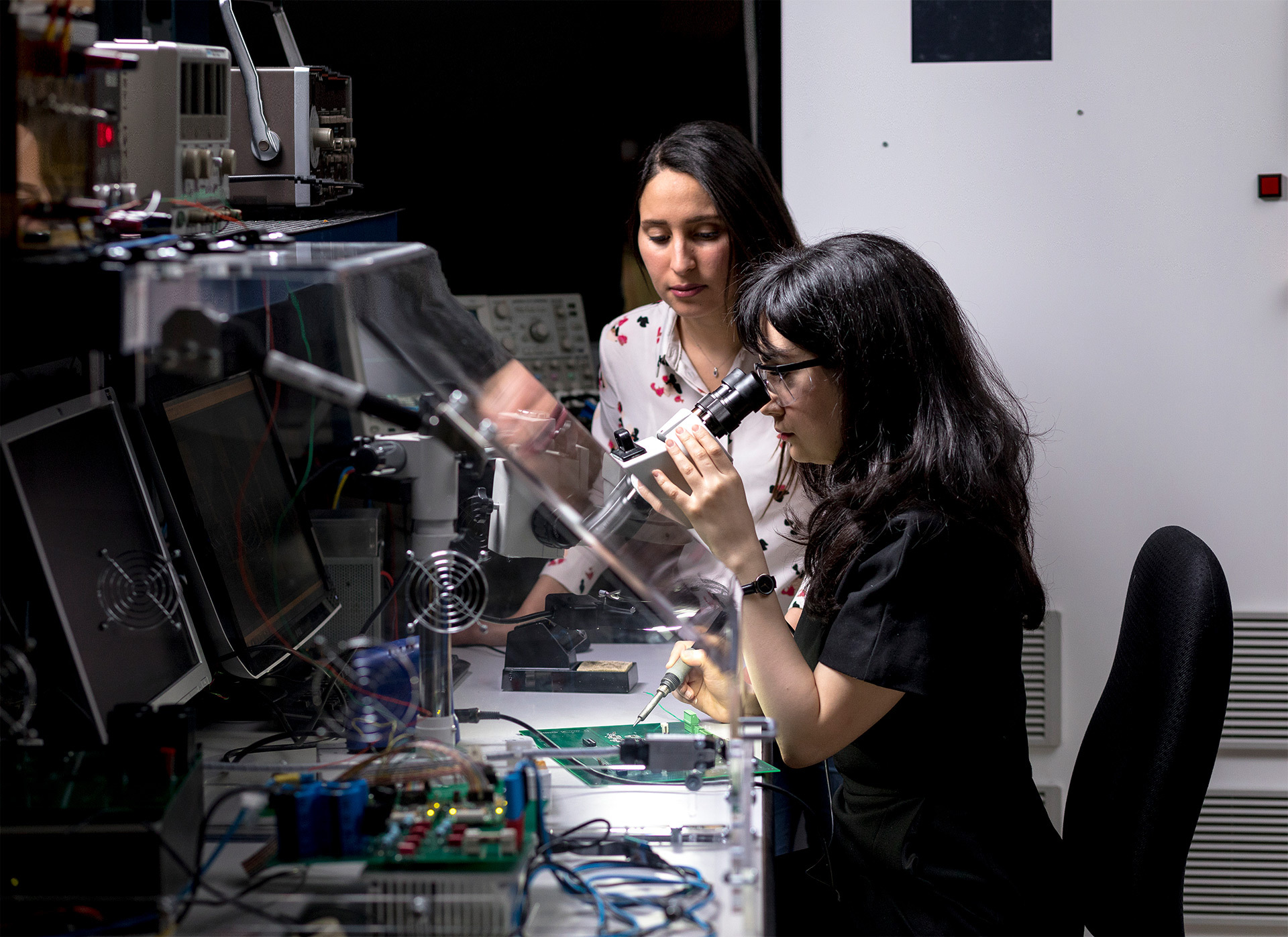
ÉTS provides an ideal environment for conceiving and creating the ideas that will shape the world of the future.