
SBE27 Montreal Conference
Building a Regenerative Future
SBE27 Montreal, a regional conference of the Sustainable Built Environment (SBE) series supported by iiSBE, will take place in Montreal for the first time, at École de technologie supérieure (ÉTS). It will bring together the research community, industry, the financial sector, municipalities and communities around the theme “Building a Regenerative Future”.
Call for contributions
SBE27 Montreal is launching a call for papers on the theme “Building a Regenerative Future”.
Regenerative: the ambition goes beyond reducing impacts. It is to design a built environment that restores what it depends on (communities, resources, ecosystems and capital) in a context where the climate and the sensitivity of local environments call for their own solutions.
Contributions should address one or more of the following tracks:
- Regenerative infrastructure: Turning infrastructure into a bridge to nature rather than a barrier. The backbone of society, civil infrastructure is also among the works that most disturb natural environments. This track rethinks roads, bridges, railways, etc. so that they restore the environments they cross, with particular attention to northern and Arctic regions. Comparable issues elsewhere in the world are equally welcome.
- Regenerative renovation and construction: The best building is the one that already exists. This track addresses the technical, economic and regulatory challenges of renovation, which turns aging buildings into high-performance regenerative hubs: efficient envelopes and systems, heating decarbonization, change of use, heritage conservation, and the industrialization of renovation work. Regenerative techniques applied to new construction are equally welcome.
- Regenerative and circular materials: Designing regenerative materials that also emit less greenhouse gas (GHG), and that come back as a resource at the end of their first life. This track welcomes work on the industrialization of regenerative and bio-based materials, alternative binders and the valorization of industrial residues, carbon capture built into construction materials, life cycle assessment (LCA) and long-term performance, and circular approaches: reuse, design for disassembly and material passports.
- Climate change adaptation and mitigation: Adapting to new climatic conditions is sometimes the most sustainable approach. This track addresses practices that adapt the built environment to the effects of climate change (heatwaves and urban heat islands, flooding and combined sewer overflows, wildfires, freeze-thaw cycles, permafrost degradation, etc.) in order to strengthen the climate resilience and sustainability of communities, together with the associated mitigation strategies and the trade-offs between the two.
- Management, governance and digital tools: Closing the gap between intention and impact. This track focuses on the operational side of sustainability: management frameworks and tools, certifications (Envision, LEED, BREEAM and others), life cycle assessment (LCA) approaches, digital tools (BIM, digital twins, open data and interoperability), and the governance structures needed to ensure that ambitious regenerative targets survive the complexities of a project life cycle.
- Sustainable finance and business models for regeneration: Finance is the lever that allows regeneration to change scale. This track looks for the models that make a regenerative project financeable: green bonds, performance-linked loans, blended finance and catalytic public capital; renovation structures such as third-party financing, performance contracts and one-stop shops; and value drawn from carbon stored in materials and from ecosystem services. Access to capital for small players and communities is central to the track.
- Ecosystem services, urban ecology and agriculture: Buildings, as biotic actors, owe a contribution to the land they occupy. This track is devoted to design that restores local biodiversity: nitrogen cycle management, “sponge city” mechanisms at building scale, net-positive hydrological systems, greening and living soils, ecological connectivity, urban agriculture, and the quantification and valuation of the ecosystem services delivered.
- Culture, participation and co-creation: Regeneration is built together with the places people live. This track addresses approaches that bring residents, practitioners and researchers into the design process: participatory processes and living labs, co-creation and action research, the integration of culture and of local and Indigenous knowledge into architectural and urban projects, the appropriation and everyday use of spaces, occupant comfort and experience. The skills of the socio-ecological transition also have their place here.
SBE27 Montréal invites you to submit an abstract of your work, whether it involves fundamental or applied research, case studies, demonstration projects, public policy analysis, innovative practice, art or design project. Proposals arising from collaboration between research, industry, the financial sector, the cultural sector, municipalities, and communities are particularly encouraged. For submission conditions and manuscript templates, please consult the IOPscience website, section “Conference Proceedings – IOPscience – Publishing Support”.
Authors of accepted abstracts will be eligible to submit a conference paper for publication in the conference proceedings (IOP Publishing). Authors can also submit also just an extended abstract. In addition, selected authors may be invited to submit a full paper for publication in a special issue of associated international journals after the conference. Stay tuned for further details and guidelines coming soon!
Artwork proposals for the art exhibition must be sent on the same IOP website. Summaries must also include links that provide insight into the nature and scope of the project, as well as any technical requirements related to the exhibition (for example: lighting, electrical requirements, noise levels, etc.). The organizing committee will contact applicants to request further details, if necessary.
Key dates:
- Abstract submission deadline: November 15, 2026 (inclusive)
- Notification of acceptance: January 2027
- Full paper or extended abstract deadline: March 2027
- Conference: August 9 to 12, 2027
- Publication of conference proceedings: September 2027 (Only registered attendees are eligible for publication in the proceedings)
Instructions for abstract submission:
- Maximum length: 300 words (abstract only, excluding title and references)
- Language: Abstracts may be submitted in English or French.
- Use the Word template available in the IOPscience website
- References: maximum 3, included in the 300-word limit
- Artistic proposals must include links to relevant websites and the exhibition's technical requirements (in a separate box when submitting).
Registration
Block your calendars already: see you from August 9 to 12, 2027!
Participation in SBE27 Montreal requires prior registration. Fees and registration categories will be announced shortly.
The registration link will be available soon. Stay tuned!
Practical information
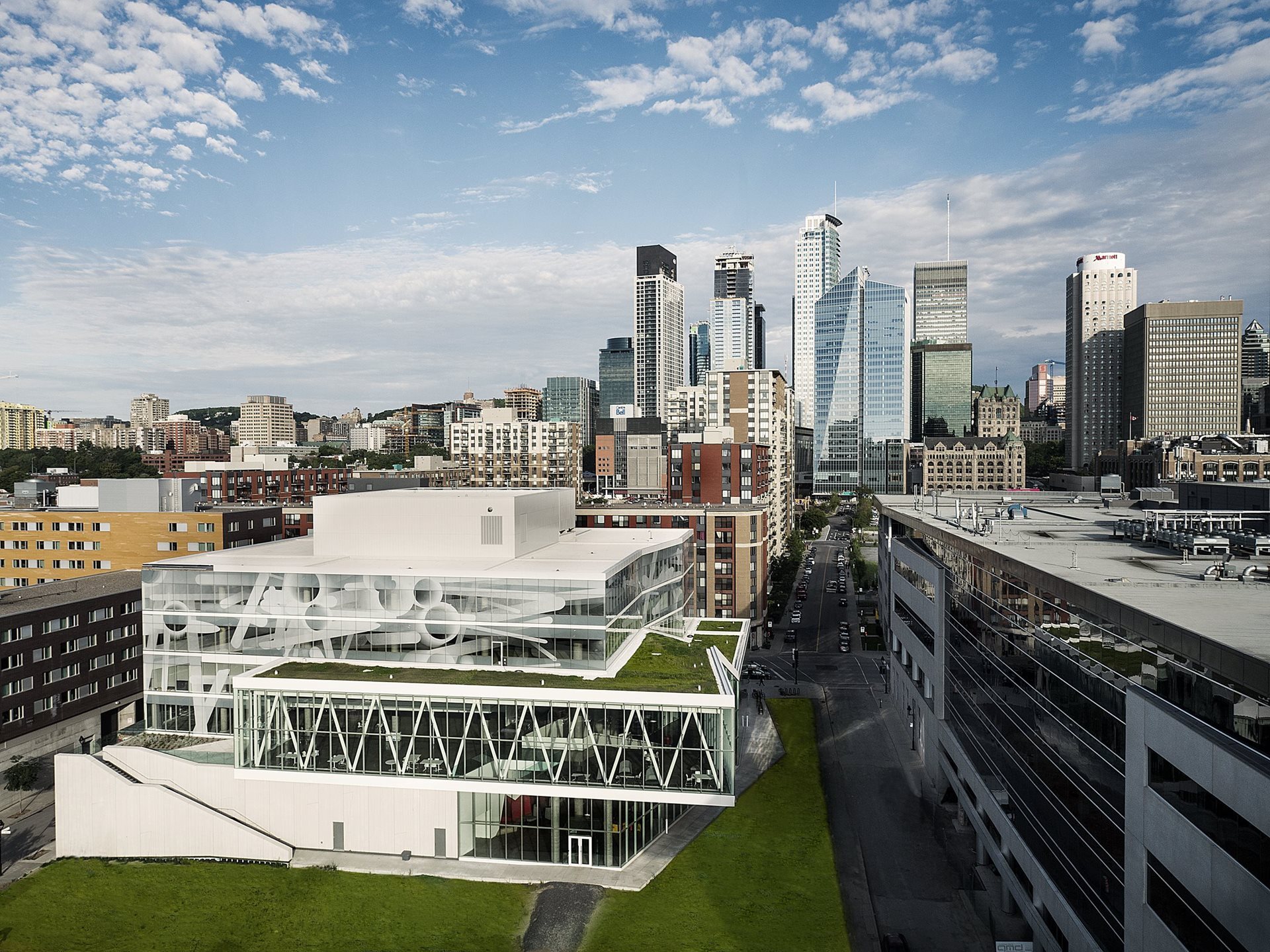
From August 9 to 12, 2027, SBE27 Montreal will offer scientific sessions, technical tours, and networking activities in the heart of Montreal, a vibrant city where innovation, culture, and lifestyle come together.
The detailed program will be available later.
While you wait for the detailed program, let yourself be inspired by Montreal's rich summer cultural life, and start planning your stay now!
Conference venue information
- Address: 1100, Notre-Dame Street West, Montreal, QC H3C 1K3
- Active and public transportation: ÉTS is located near (about a 5-minute walk) the Bonaventure and Lucien-Lallier metro stations (orange line) and Montreal Central Station. Several buses (35, 36, 74, 75, 107 and 715) pass right in front of ÉTS. It is also possible to use the BIXI Montréal bike sharing system or one of the 124 outdoor bike racks available near ÉTS.
- Indoor parking: ÉTS has parking spaces that can accommodate visitors at all times in Pavilions B (Jean-d'Estrées Street entrance) and E (Eleanor Street entrance). For more information: parking.
Sponsorship plan
Become a sponsor of SBE27 Montreal !
Associate your organization with an international event that brings together the scientific and professional community of the sustainable built environment. SBE27 Montreal will bring together experts, decision-makers and innovators from around the world to rethink the impact of our cities and buildings on ecosystems, communities and the climate.
Discover our different partnership and visibility opportunities!
Committees
Organizing Committee
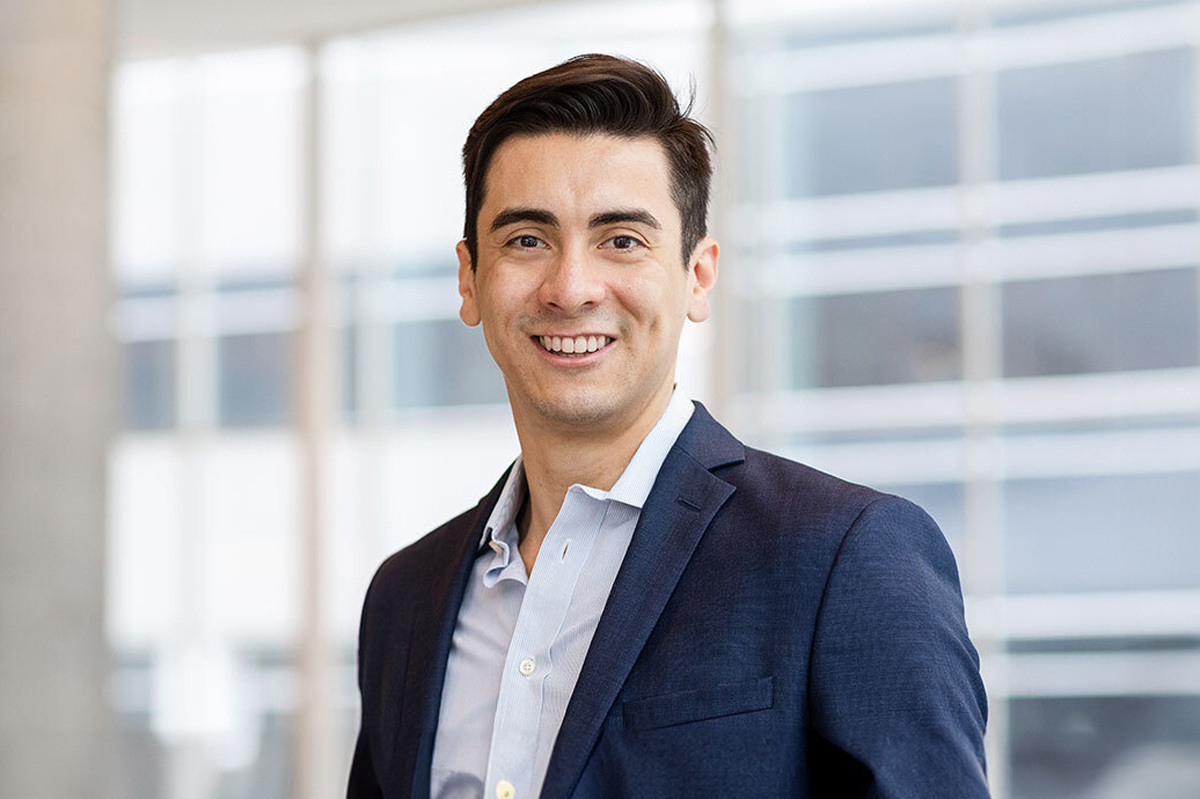
International Scientific Committee
- Alice Jarry, Associate Professor, Department of Design and Computation Arts, Concordia University, CANADA
- Antonin Fabbri, Research Director, Laboratory of Tribology and Systems Dynamics (LTDS) at École Nationale des Travaux Publics de l'Etat, FRANCE
- Aoife Houlihan Wiberg, Professor of Architecture and Associate Director of Research, University of Florida, USA
- Claudiane Ouellet-Plamondon, Professor in the Department of Construction Engineering and Canada Research Chair in Sustainable Multifunctional Building Materials at École de Technologie Supérieure (ÉTS), CANADA
- Diego Ramirez Cardona, Associate Professor, Department of Construction Engineering at École de Technologie Supérieure (ÉTS), CANADA
- Elisabeth Gilmore, Associate Professor, Norman Paterson School of International Affairs and the Department of Civil and Environmental Engineering, Carleton University, CANADA
- Harlem Acevedo Agudelo, Associate Professor, Department of Environmental and Construction Sciences at Instituto Tecnológico Metropolitano (ITM), COLOMBIA
- Hassan Baaj, Professor of Civil and Environmental Engineering and Associate Dean of Research and External Partnerships at University of Waterloo, CANADA
- Hélène Dubé, Sustainability & Environment Leader, AtkinsRealis, CANADA
- Jayanta Deb Mondol, Professor of Solar Technologies and Research Director, Ulster University, UNITED KINGDOM
- Kent Harries, Professor, Swanson School of Engineering, University of Pittsburg, USA
- Manish K. Dixit, Professor, Department of Construction Sciences at Texas A&M University, USA
- Mohamed Bassuoni, Professor and Associate Head, Department of Civil Engineering, University of Manitoba, CANADA
- Naomi Keena, Associate Professor, School of Architecture, McGill University, CANADA
- Nurrohman Wijaya, Assistant Professor, Department of Urban and Spatial Planning at Teknologi Bandung Institute (ITB), INDONESIA
- Rahman Azari, Associate Professor, Department of Architecture, Penn State, USA
- Shahria Alam, Professor and Director of the Green Construction Research Training Centre, School of Engineering, University of British Columbia Okanagan Campus, CANADA
- Sandrine Marceau, Director of research, Université Gustave Eiffel, FRANCE
- Tristan Kershaw, Associate Professor of Climate Resilience, Department of Architecture and Civil Engineering at the University of Bath, UNITED KINGDOM
Partners and sponsors
 Our partner's logo : Logo ets sanstypo fr
 Our partner's logo : Logo sbe series
 Our partner's logo : Logo iisbe
 Our partner's logo : Logo cib
 Our partner's logo : Logo fidic
 Our partner's logo : Logo unenv couple