Research areas
Prix d’excellence en recherche 2017 : Mohammad Jahazi
The team at the Research Chair in Forming Technologies of High‑Strength Alloys (CM2P) studies the influence of forming parameters on microstructure evolution and their impact on in‑service properties, using a micro‑, macro‑, and multiscale approach.
The Chair’s research areas:
- Solidification and segregation
- Forming
- Heat treatment
- Solid-state welding
- Additive manufacturing
Solidification and segregation
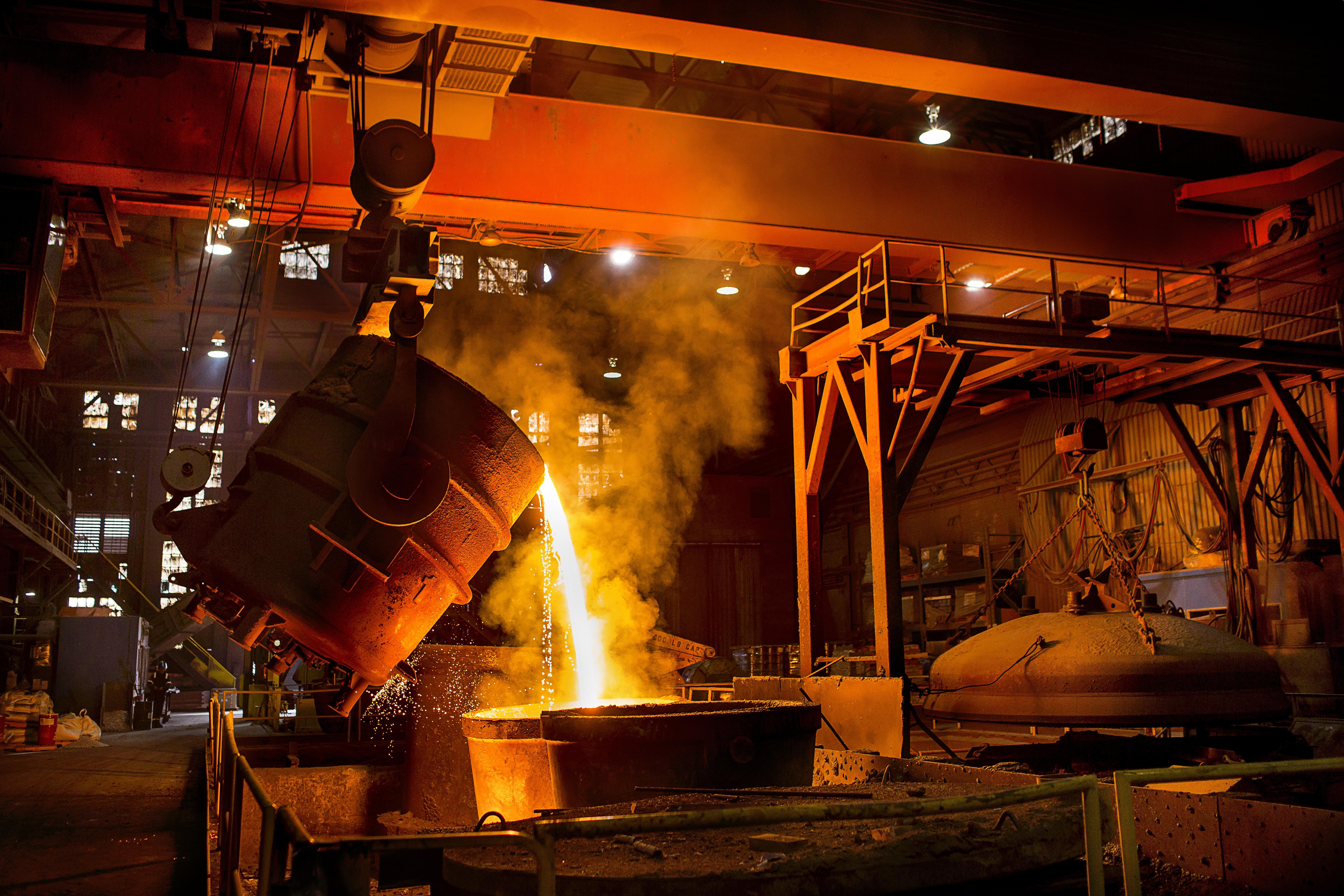
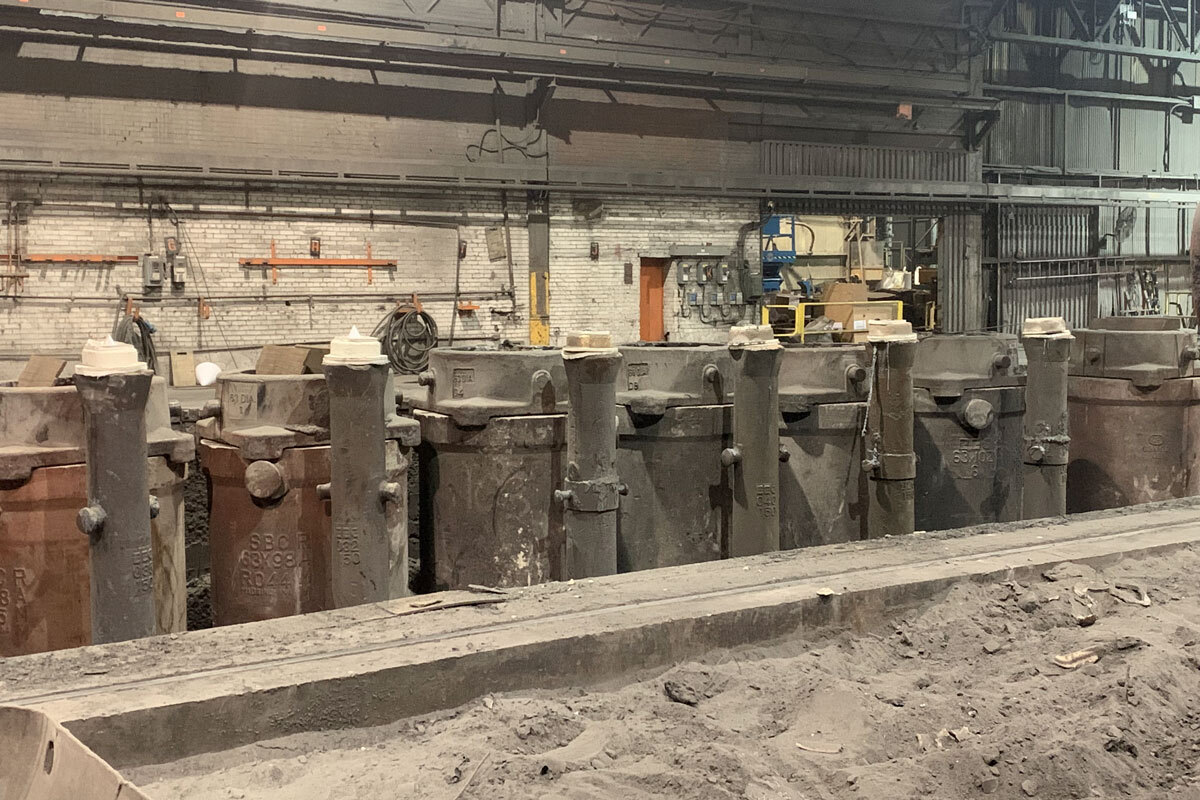
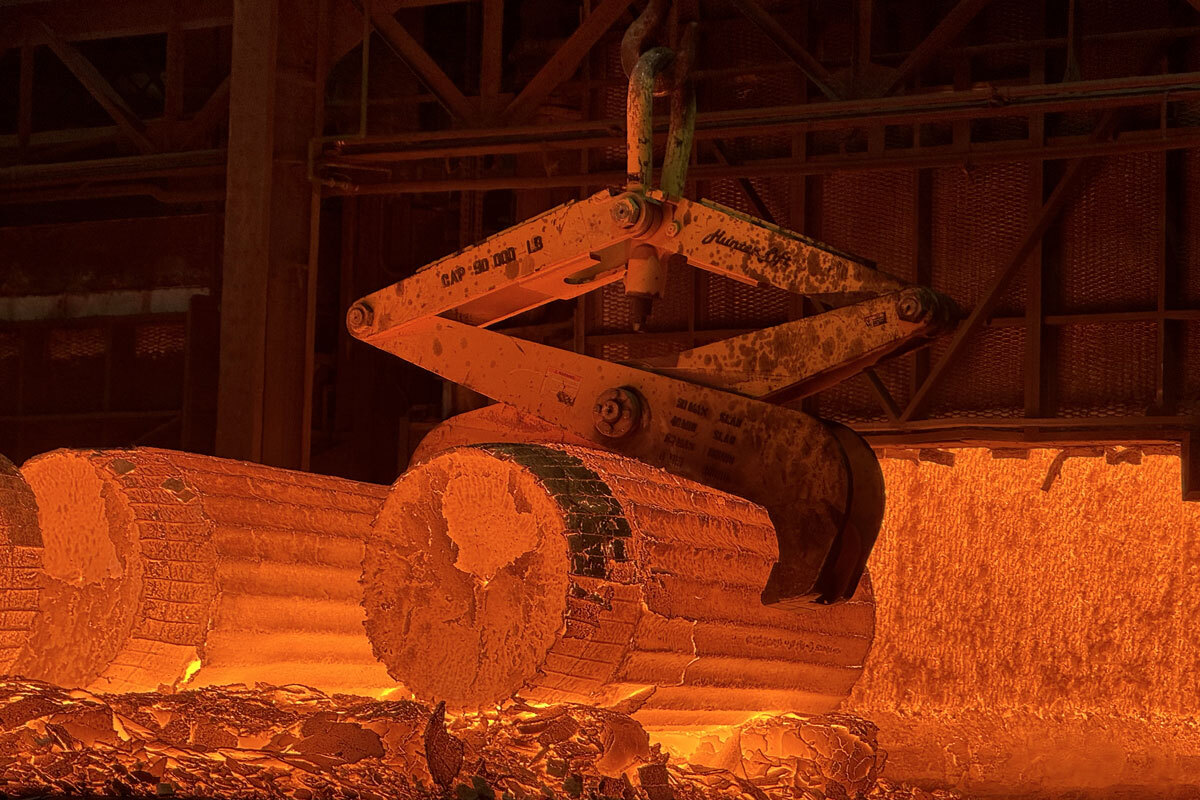
This research area focuses on how alloy composition and process parameters affect the way structural inhomogeneities develop in the microstructure as these influence subsequent forming processes and heat treatments.
Experimental work serves to verify finite element models that predict the behaviour of industrial-scale components.
Forming
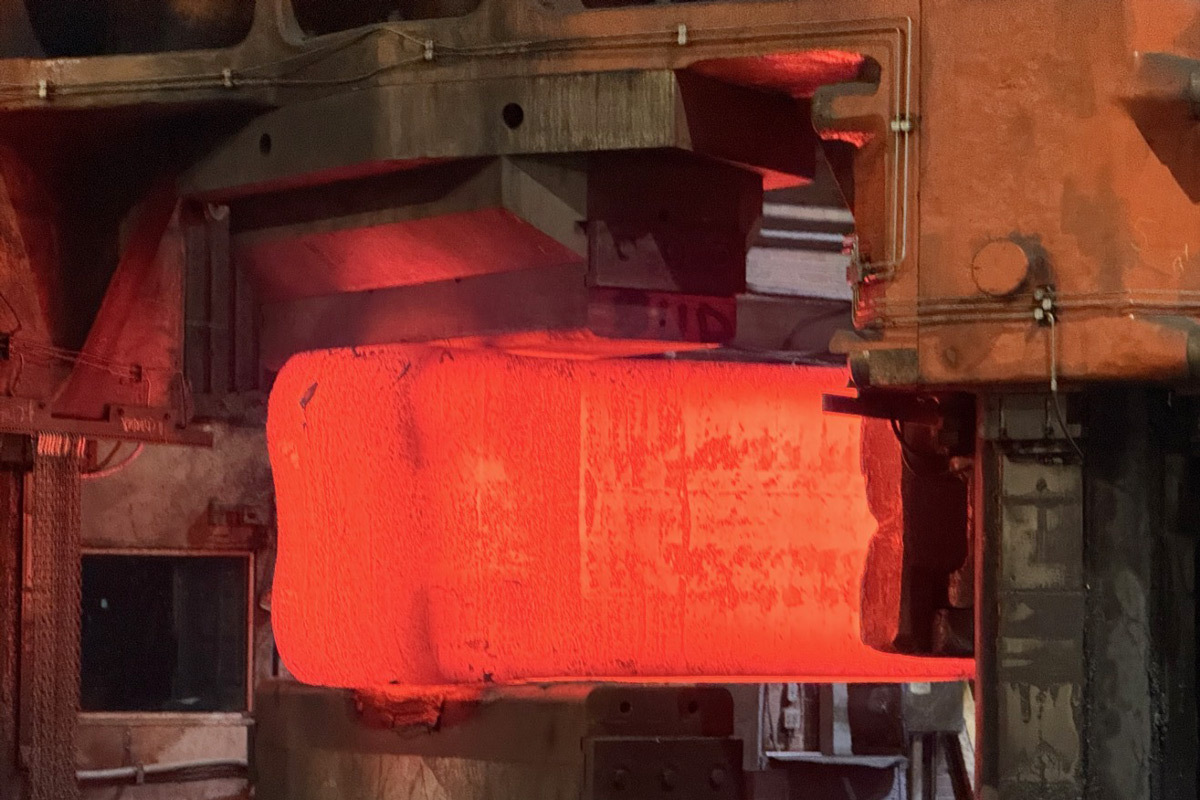
Experimental and digital simulation study of the following forming processes:
- Bulk forming processes, such as high-strength steel forging;
- Sheet forming processes, such as high-temperature aluminum alloy thermoforming.
Development of digital models to simulate actual industry conditions.
Heat treatment
- Optimization of heat treatment processes by determining phase transformation, precipitation, recrystallization, and grain growth kinetics.
- Development of mathematical models to predict the type and magnitude of residual stresses generated as well as the impacts they have on distortion and in-service properties.
Solid-state welding
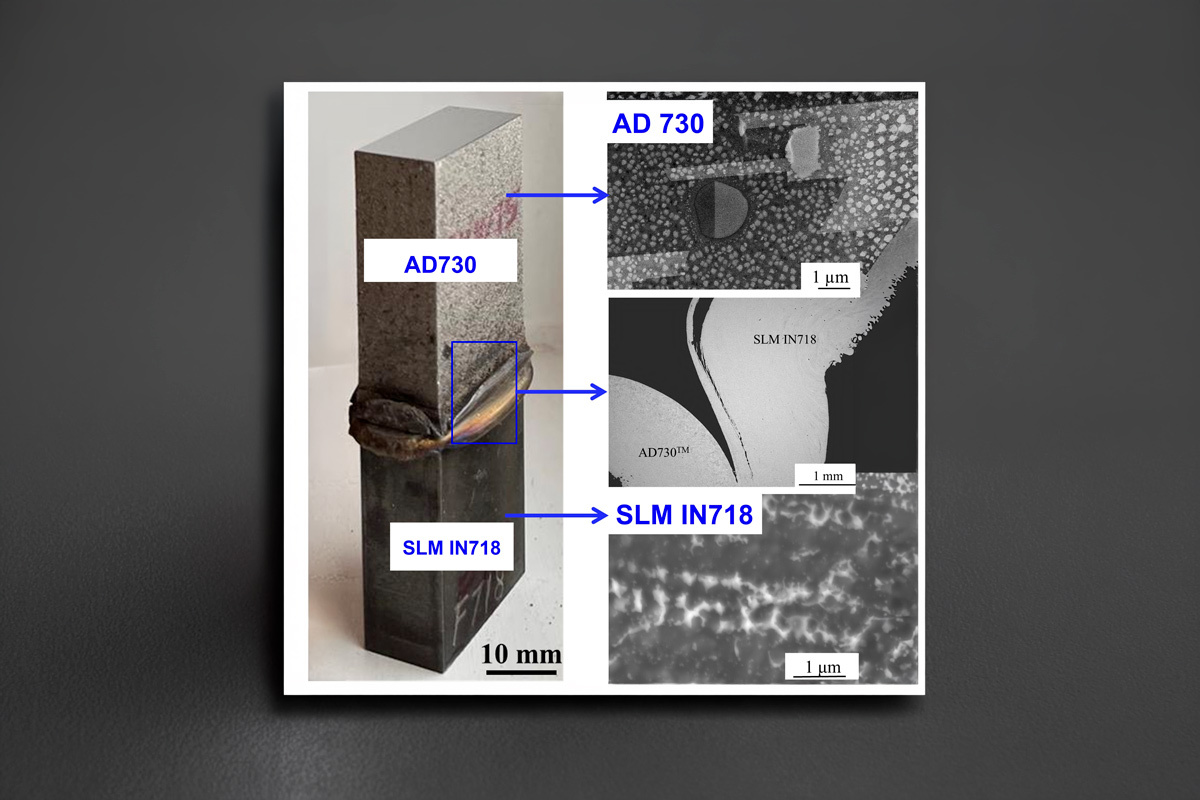
Linear friction welding (LFW) is an emerging solid-state welding technology. This research area focuses on developing dissimilar-material joints in aerospace alloys made by additive manufacturing (AM).
More specifically, it focuses on the experimental study and modelling of interactions between microstructure, macroscopic mechanical properties, and LFW and AM process parameters.
Additive Manufacturing
Metal additive manufacturing is revolutionizing the design and production of complex components through greater design freedom and precise control of microstructures.
From alloy creation to powder production and characterization, our lab works across the entire chain to develop high-performance materials. Using state-of-the-art integrated equipment, we directly link composition, process, and final properties to optimize parts intended for use in demanding sectors such as aerospace and energy.
Additive manufacturing (AM), commonly known as 3D printing, is transforming the way advanced engineering components are designed and produced. By building parts layer by layer directly from digital models, AM enables unprecedented design freedom, reduced material waste, and the fabrication of highly complex geometries that are not achievable through conventional manufacturing methods. In metallic systems, AM also generates unique thermal histories that strongly influence microstructure formation, phase transformations, and mechanical properties. Understanding and controlling the relationships between alloy composition, powder characteristics, processing parameters, and resulting microstructure is therefore essential for developing high‑performance materials for aerospace, energy, and tooling applications.
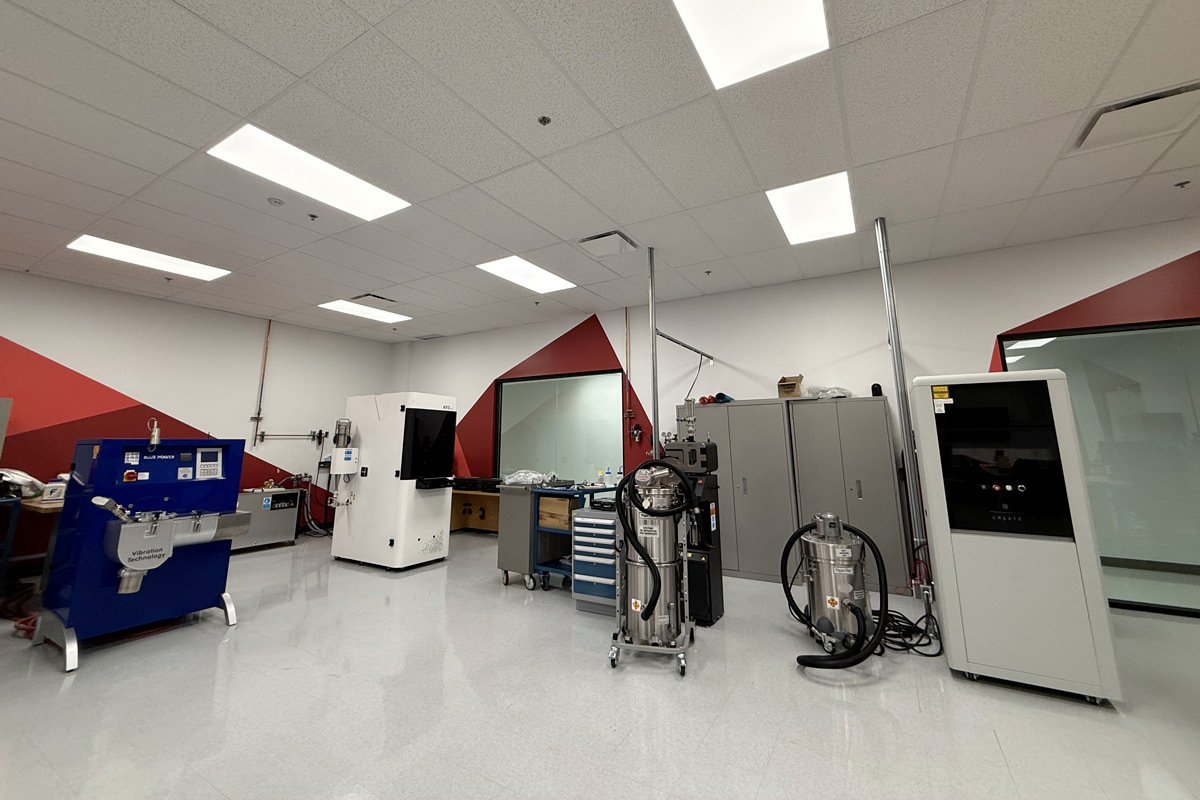
Our laboratory is equipped with integrated facilities covering the entire chain of alloy development, powder production, and additive manufacturing of metallic materials. We focus on the design of new alloys specifically tailored for advanced manufacturing processes, complemented by comprehensive powder and material characterization.
Alloy development is carried out using a Vacuum Tilting Casting Furnace (Blue Power), which enables the production of high‑quality experimental alloys under controlled atmospheric conditions. These alloys are subsequently transformed into metal powders using a Lab‑Size Ultrasonic Metal Powder Atomizer (3DLAB), allowing the production of fine, spherical powders suitable for additive manufacturing.
Powder quality is then refined and classified using an Ultrasonic Sieving Station (3DLAB) to ensure optimal particle‑size distribution. This integrated approach establishes a direct link between alloy design, powder properties, processing conditions, and final component performance.