What are you looking for?
51 Résultats pour : « Portes ouvertes »

L'ÉTS vous donne rendez-vous à sa journée portes ouvertes qui aura lieu sur son campus à l'automne et à l'hiver : Samedi 18 novembre 2023 Samedi 17 février 2024 Le dépôt de votre demande d'admission à un programme de baccalauréat ou au cheminement universitaire en technologie sera gratuit si vous étudiez ou détenez un diplôme collégial d'un établissement québécois.

Equipment

High-temperature forming: experimentation and simulation
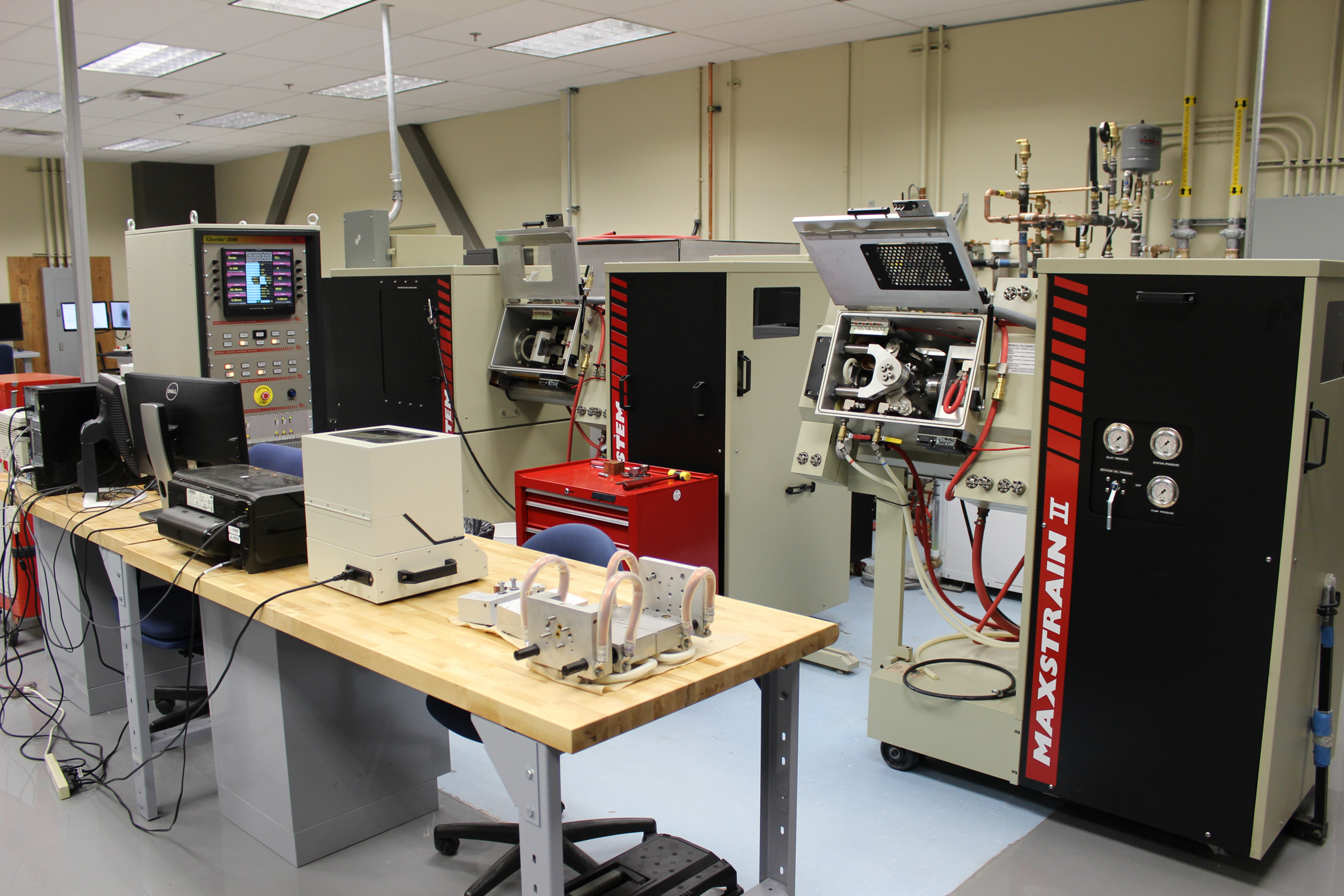
Gleeble 3800 maxstrain 1

Thermomechanical simulator Gleeble® 3800 with Maxstrain module
The thermal and mechanical conditions in real fabrication processes can be physically simulated in the laboratory in order to gain a better understanding and modelling of the processes, and to achieve the microstructure, physical and mechanical properties from a process which leads to improved and optimized material processing. Depending on the capability of the equipment performing this physical simulation, the precise experimental results can be readily transferred from the laboratory scale to full industrial-scale production.

The CM2P group has a Gleeble® 3800 equipped with thermal power control for materials testing and actual manufacturing process simulations. The use of mobile conversion units allows this system to be configured with pocket jaws to study:

  • deformation
  • melting and solidification
  • welding
  • thermal cycling
  • heat treatments
  • dilatometry
  • phase transformations
  • stress relaxation
  • creep and fatigue.

This unit can be easily reconfigured for use with MAXStrain II (a multi‑axis hot deformation system). The MAXStrain unit is particularly well suited for hot rolling and multi‑hit forging to simulate various thermomechanical cycles under precise control of strain, strain rate, and temperature.

The Gleeble® 3800 system is capable of 196 kN force in compression and 98 kN force in tension. It is also used in compression tests with deformation rates up to 50/sec, while its hydraulic servo system creates a maximum speed of 2 m/sec in tension experiments. Lengthwise and crosswise strains are measured with hot-zone extensometers in this system. Heating and cooling rates can be controlled based on the jaws, geometry of specimens, and quench systems. The Gleeble® 3800 provides the ability to use larger specimens and achieve higher strain rates and conduction tests at lower temperatures for high-strength materials.

Simulateur thermomécanique Gleeble® 3800 avec module MAXStrain  Simulateur thermomécanique Gleeble® 3800 avec module MAXStrain  Simulateur thermomécanique Gleeble® 3800 avec module MAXStrain

Thermomechanical simulator Gleeble® 3800 with Maxstrain module

Systeme deformation haute temperature mts 3

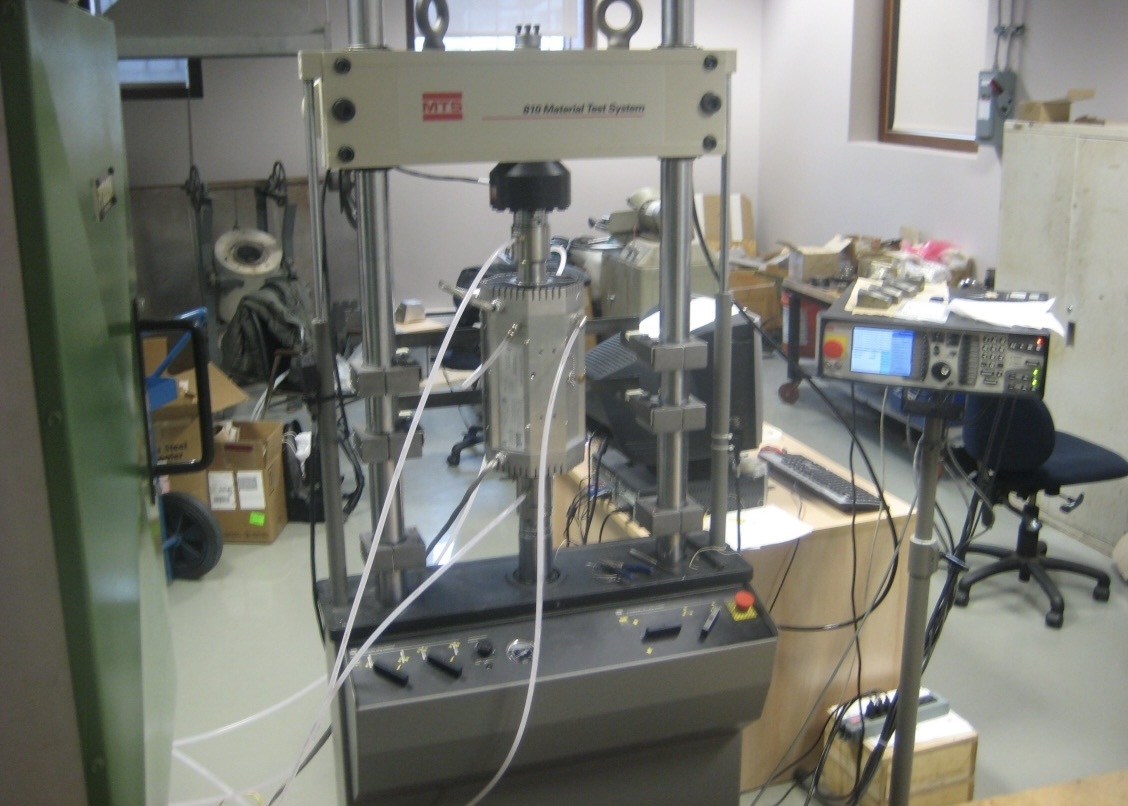
MTS high temperature deformation system
The MTS machine has the capacity to reach 100 kN and is equipped with an integrated IR radiation furnace (capable of heating up to 1250 °C) in order to simulate nonlinear heating and cooling cycles during forging.

Systeme deformation haute temperature mts 4

MTS high temperature deformation system

Presse forge 1000 tonnes

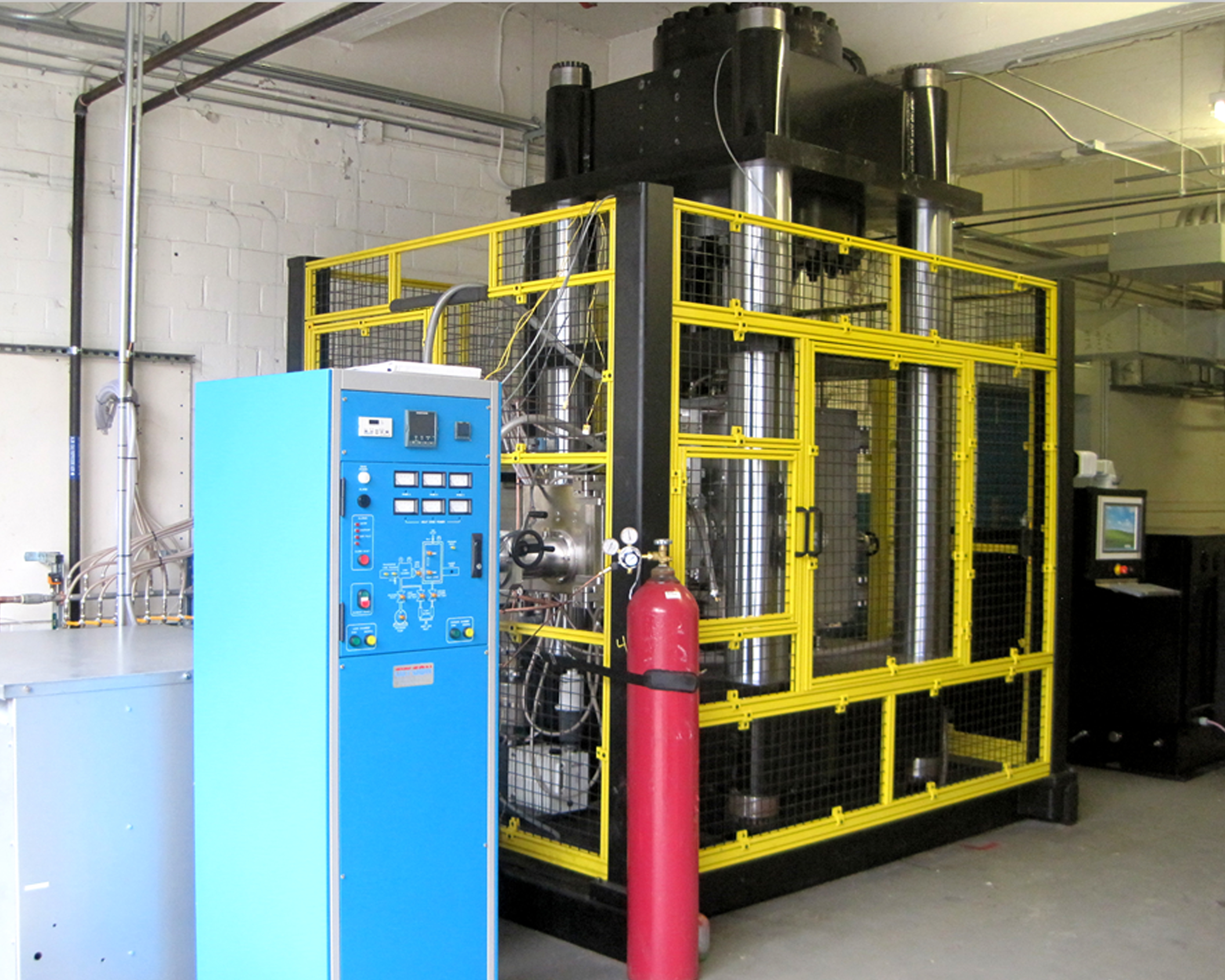
Isothermal Hydraulic Forging Press-1000 (IHFP-1000)
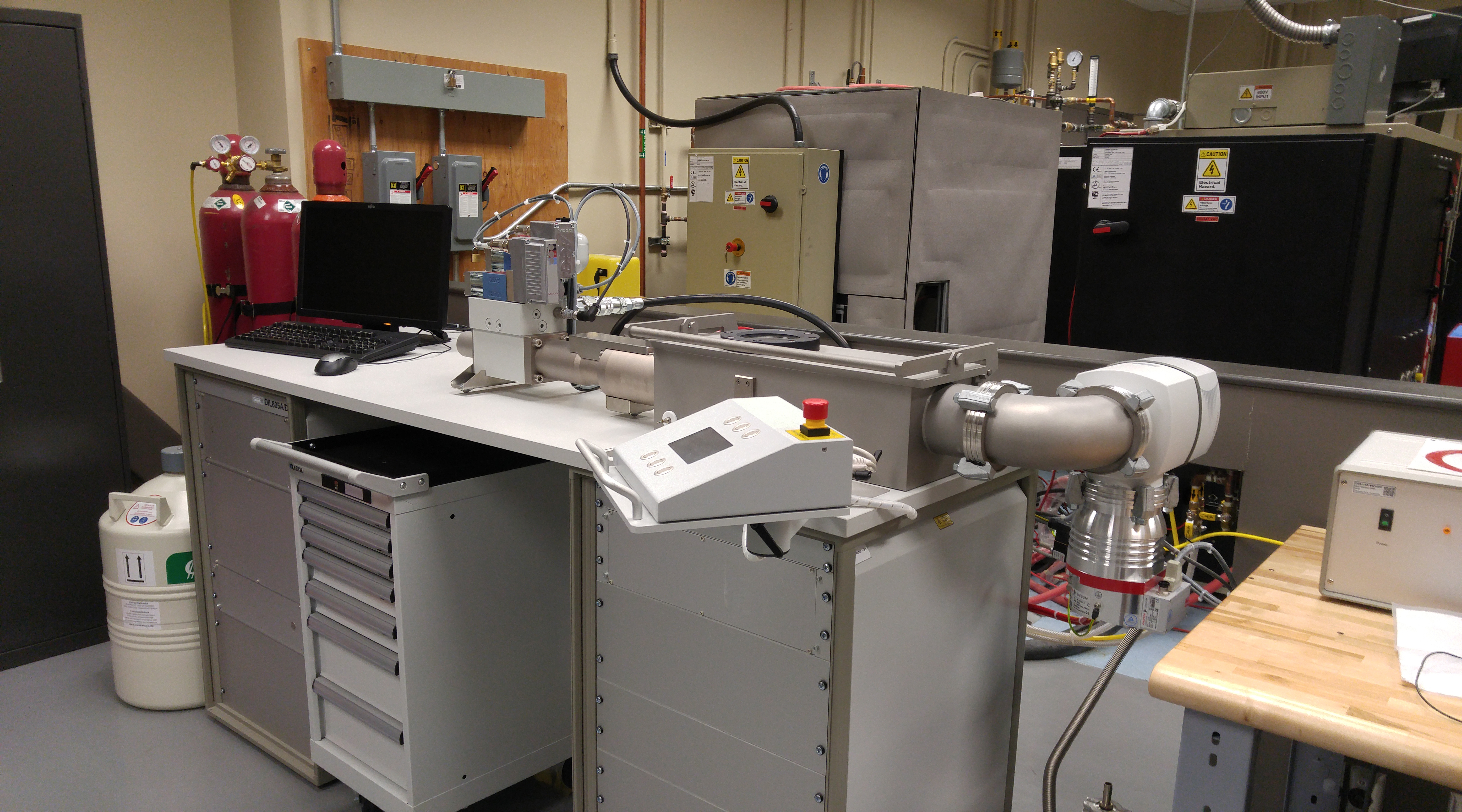
The aerospace, automotive, and forging industries have benefited in recent years from the introduction into commercial practice of a number of new forging technologies and equipment. A substantial number of these technologies are linked to the production of high‑temperature alloys and other hard‑to‑deform materials. For proper forging of these difficult alloys and critical components, the temperature, pressure, and required tolerances should be controlled by forging process parameters and by the type of forging press.

The CM2P group has a 1000‑metric‑ton Isothermal Hydraulic Forging Press (IHFP‑1000) to forge high‑strength materials such as nickel‑based superalloys, titanium alloys, high‑strength steels, and aluminum alloys. This press, integrated with a high‑temperature resistance furnace (above 1200 °C), has been designed and optimized for large‑size sample applications. The IHFP‑1000 is also equipped with loading and heating chambers where the entire process is conducted in a vacuum or inert gas to protect the heating elements and the nickel‑based alloy platens (upper & lower anvils). The platens of the IHFP‑1000 can be designed and modified based on various applications. The chambers have a transfer mechanism for loading and unloading specimens to/from the forging zone.

The data acquisition system monitors parameters such as pressure, press position, press velocity, and temperature. The IHFP‑1000 actuator has a stroke of 305 mm, and its servo‑valve system allows a velocity of at least 25 mm/s. The IHFP‑1000 has a dedicated controller that allows the execution of sophisticated thermomechanical cycles, including force, displacement, and temperature functions.

Isothermal Hydraulic Forging Press-1000 (IHFP-1000)

Dilatometre de deformation a haute resolution

High‑resolution strain dilatometer

The DIL805 A/D is a high‑resolution dilatometer that measures dilatation as a function of temperature during a planned heat‑treatment cycle. Experiments can be performed on a wide range of materials due to its high temperature range (20–1700 °C) as well as its high heating (max. 100 °C/s) and cooling (max. 100 °C/s) capabilities. The obtained dilatation results are used in numerous scientific applications, such as the construction of TTT and CCT diagrams by converting dilatation into fractions of phase transformed. Moreover, physical properties as a function of temperature can be extracted, such as density and the coefficient of linear thermal expansion. A complementary compressive‑deformation module can also be installed to simulate deformations during a manufacturing process.

Aside from dilatation results, the dilatometer can also be used as a furnace to heat‑treat small samples for microstructure observations as well as grain‑size identification. Standard sample sizes are 4×10 mm cylinders for free dilatation and 5×10 mm cylinders for experiments involving deformation.

High‑resolution strain dilatometer

Characterization and analysis

Hitachi su 8230 fesem 1

Hitachi SU-8230 FESEM

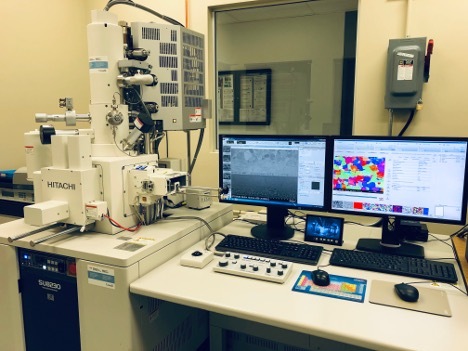
The HITACHI SU‑8230 is among the most advanced scanning electron microscopes (SEM) in the world and is equipped with a high‑performance cold field‑emission source. This microscope features the largest specimen chamber in the SU-8200 series and a cold field‑emission gun optimized for low accelerating voltages, enabling a resolution as fine as 0.6 nm at 15 kV.

The SU‑8230 SEM at ÉTS is equipped with three specialized detectors designed to meet different measurement objectives:

  • Two EDS (Energy‑Dispersive X‑ray Spectroscopy) detectors:
    • A Bruker XFlash detector, suitable for high accelerating voltages (above 15 kV) and compatible with simultaneous EBSD measurements to obtain both chemical‑composition and crystallographic information.
    • A Bruker FlatQUAD detector designed for low‑voltage measurements (below 20 kV, down to 3 kV). Its geometry and proximity to the sample surface allow for significantly enhanced EDS analysis of nanoparticles.
  • One Bruker e‑FlashHD EBSD detector, which enables fast scanning while providing high‑definition Kikuchi patterns capable of revealing the finest structural details.

Hitachi SU-8230 FESEM

Hitachi tm3000 sem 1

Hitachi TM3000 SEM

The HITACHI TM3000 tabletop SEM, equipped with a backscattered electron detector for imaging and an XFlash EDS detector for chemical analysis, is an excellent choice for quick microstructural observations and for revealing features, especially at the microscale. Key advantages of using this microscope include:

  • easy sample setup
  • fast vacuum attainment
  • a simple and user‑friendly interface
  • short adjustment times

The XFlash®430 H detector on this microscope, a silicon drift detector (SDD) with a 30 mm2 active area, is capable of detecting all elements from boron (B5) to americium (Am95).

Hitachi TM3000 SEM

Hitachi s 3600n sem 1

Hitachi S-3600N SEM

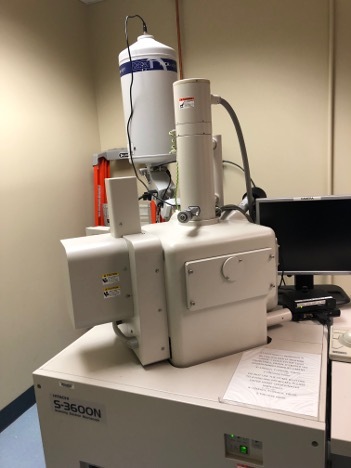
The Hitachi S‑3600N, part of the S‑3000 series of Hitachi SEMs, offers several advantages thanks to its:

  • large sample chamber (up to 10 inches)
  • high sample thickness capability (up to 70 mm)
  • high sample‑weight capacity (up to 2.0 kg)
  • 5‑axis automated large stage (X/Y: 150 mm / 110 mm)
  • guaranteed resolution at low accelerating voltages (3 kV)
  • adjustable vacuum pressure (VP mode)

Hitachi S-3600N SEM

Olympus lext ols4100 laser confocal microscope 1

Olympus LEXT OLS4100 laser confocal microscope
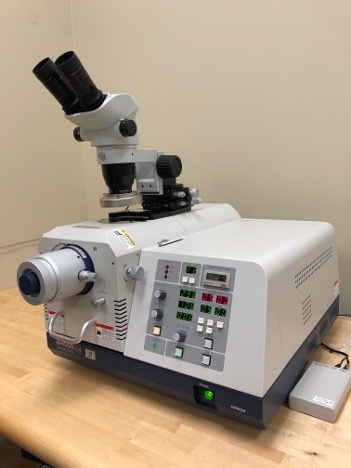
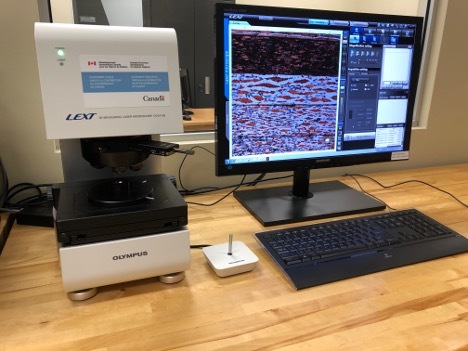
The Olympus LEXT OLS4100 is a 3D laser confocal microscope capable of revealing surface features with a resolution of 10 nm. Besides the fast acquisition of high‑resolution images, its superior metrology capabilities make imaging possible on slopes of up to 85°.

Some of the key capabilities of the LEXT OLS4100 include:

  • micro‑profile measurement
  • multilayer measurement, even on transparent materials
  • surface‑roughness measurement
  • 3D color imaging

Olympus LEXT OLS4100 laser confocal microscope

Hitachi im4000plus ion milling 1

Hitachi IM4000Plus ion milling

The HITACHI IM4000Plus, with integrated flat and cross‑section milling configurations, is an argon ion milling system used for specimen surface preparation. Eliminating conventional mechanical‑polishing damage, scratches, and related deformation effects is one of the key advantages of ion milling.

The IM4000Plus, the latest model in its series, offers enhanced milling rates in both flat and cross‑section modes.

Hitachi IM4000Plus ion milling

High performance laser flash linseis 1

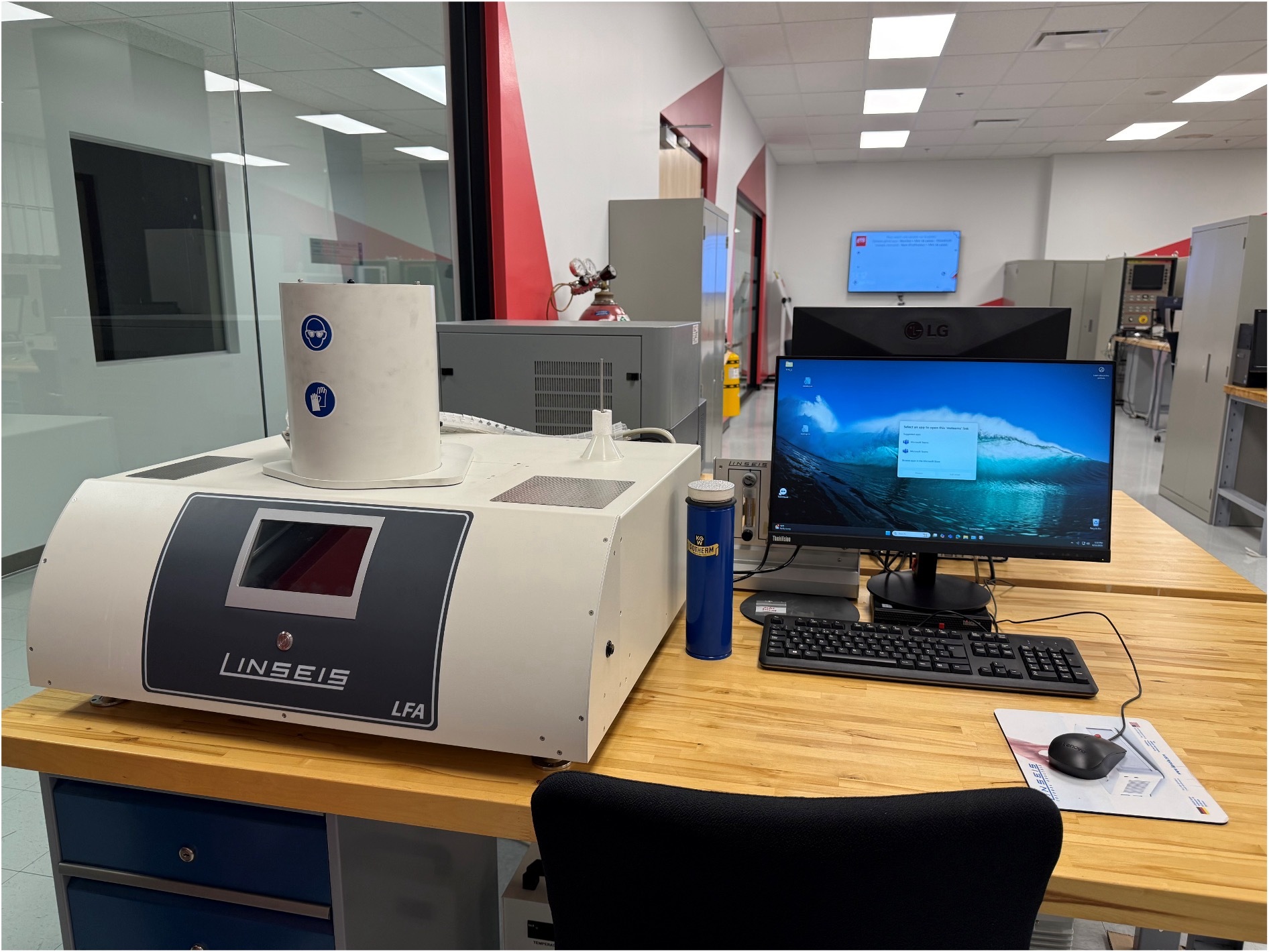
Laser Flash Analyzer (LFA) Linseis

The Laser Flash Analyzer (LFA) is a high‑precision instrument designed for measuring the thermophysical properties of materials. It enables accurate determination of thermal diffusivity, thermal conductivity, and specific heat capacity over a wide temperature range, making it an essential tool for scientific research, materials development, and industrial applications.

The LFA technique is based on the application of a short, high‑energy laser pulse to the front surface of a sample that has been uniformly heated to a stable temperature. The resulting heat wave propagates through the material, and the temperature rise on the rear surface is recorded using a high‑sensitivity infrared detector. Analysis of the time–temperature response allows precise determination of the thermal diffusivity. When combined with the material’s specific heat and density, the thermal conductivity can also be calculated.

This non‑destructive method offers high accuracy, excellent repeatability, and fast measurement times, and is suitable for a wide range of materials, including metals, alloys, ceramics, polymers, and composites. The LFA is widely used to:

  • characterize thermal behaviour under demanding conditions
  • support process optimization
  • validate advanced thermal and numerical models

Laser Flash Analyzer (LFA) Linseis

Spectromaxx metal analyzer ametek 1

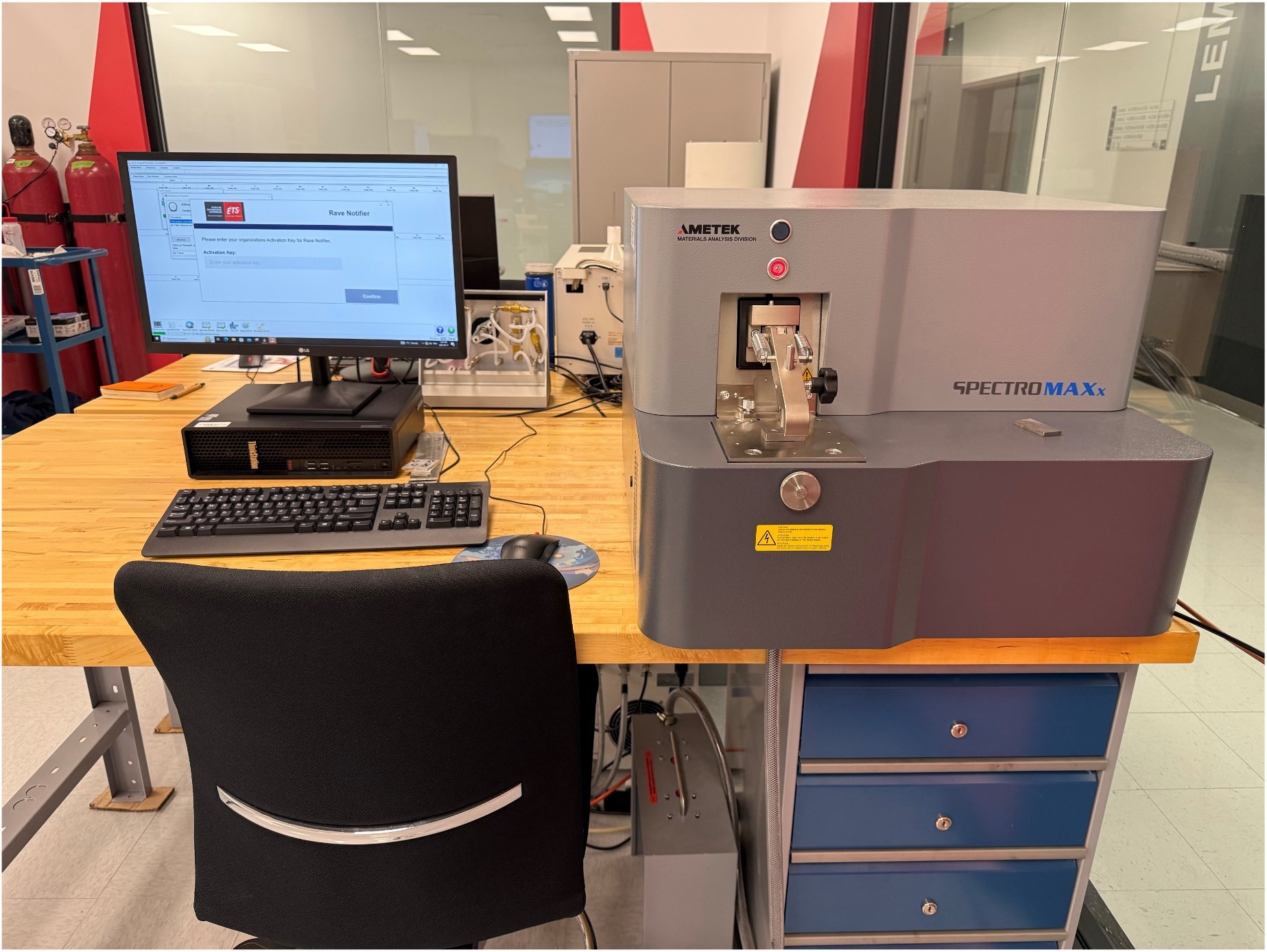
SPECTROMAXx Metal Analyzer

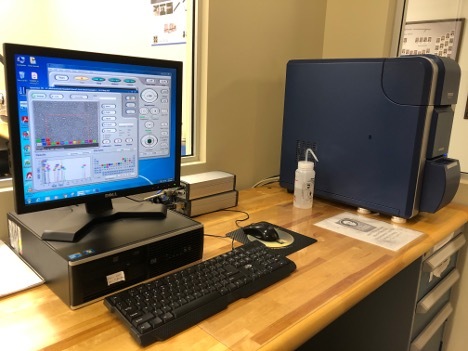
The SPECTROMAXx Metal Analyzer from AMETEK is a high‑performance spark optical emission spectrometer (OES) designed for the rapid and accurate chemical analysis of metals and alloys. It provides precise elemental composition measurements, making it a key instrument for quality control, alloy identification, and process monitoring in both industrial and research environments.

The system operates by generating a controlled spark discharge on the surface of a solid metal sample, exciting the atoms and producing characteristic optical emissions. These emissions are analyzed by a high‑resolution spectrometer to determine the concentrations of alloying and trace elements with excellent accuracy and repeatability.

The SPECTROMAXx is suitable for a wide range of metallic materials, including:

  • steels
  • cast irons
  • aluminum alloys
  • copper alloys
  • nickel‑based alloys

Its robustness, fast analysis time, and minimal sample preparation make it ideal for foundries, steel plants, metallurgical laboratories, and R&D centres.

SPECTROMAXx Metal Analyzer

Xrd anton paar xrdynamic 500 1

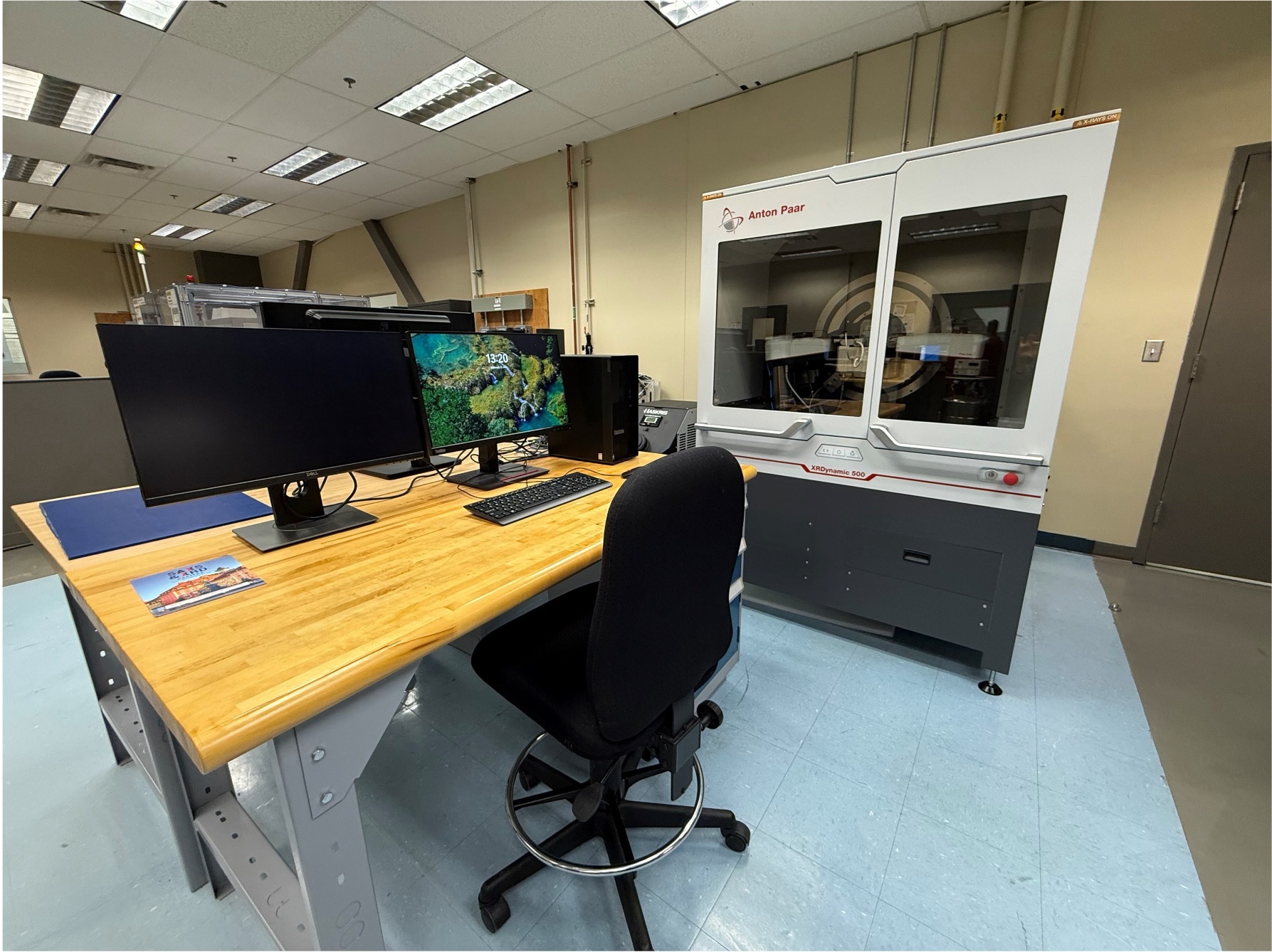
XRDynamic 500 Anton Paar

The XRDynamic 500 X-ray Diffractometer (XRD) from Anton Paar is a dynamic, time‑resolved diffraction system designed for in situ and operando crystallographic analysis. It enables real‑time monitoring of phase transformations, lattice evolution, and microstructural changes as a function of temperature, time, or applied conditions.

The system operates by continuously acquiring diffraction patterns while the sample is subjected to controlled thermal cycles or environmental conditions. This approach allows direct observation of kinetic processes such as phase transformations, precipitation, dissolution, and recovery phenomena. The high data‑acquisition rate and optimized geometry of the XRDynamic 500 make it particularly suitable for studying non‑equilibrium and transient states that cannot be captured by conventional static XRD.

The XRDynamic 500 can be used to perform:

  • time‑resolved phase identification and quantification
  • transformation‑kinetics analysis
  • lattice‑parameter evolution
  • temperature‑dependent crystallographic studies

It is widely applied in materials science, metallurgy, ceramics, and functional‑material research, supporting advanced investigations of process–structure relationships and validation of thermodynamic and kinetic models.

XRDynamic 500 Anton Paar

Nanoindentation anton paar step 500 1

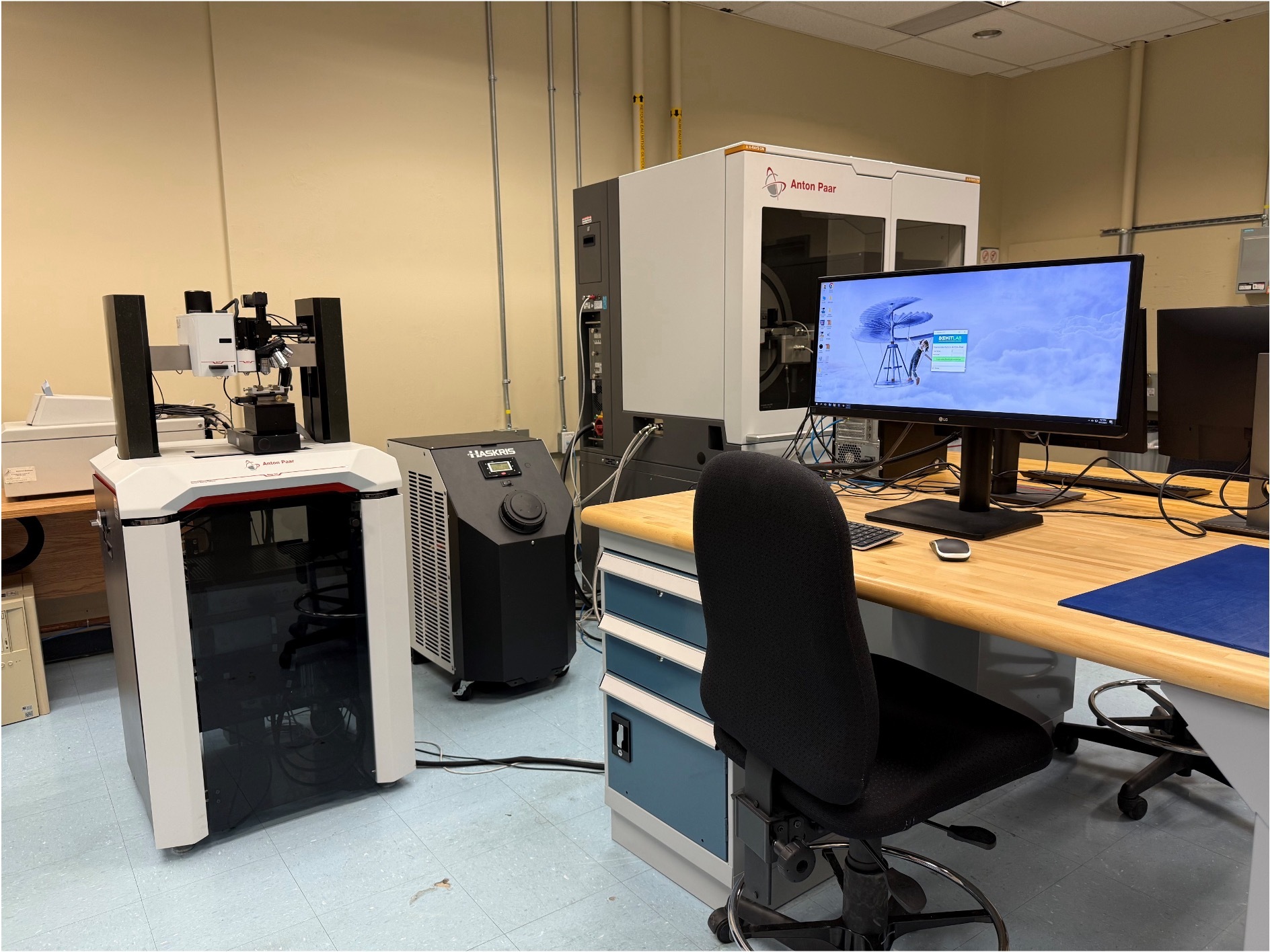
Step 500 Nanoindentation System Anton Paar
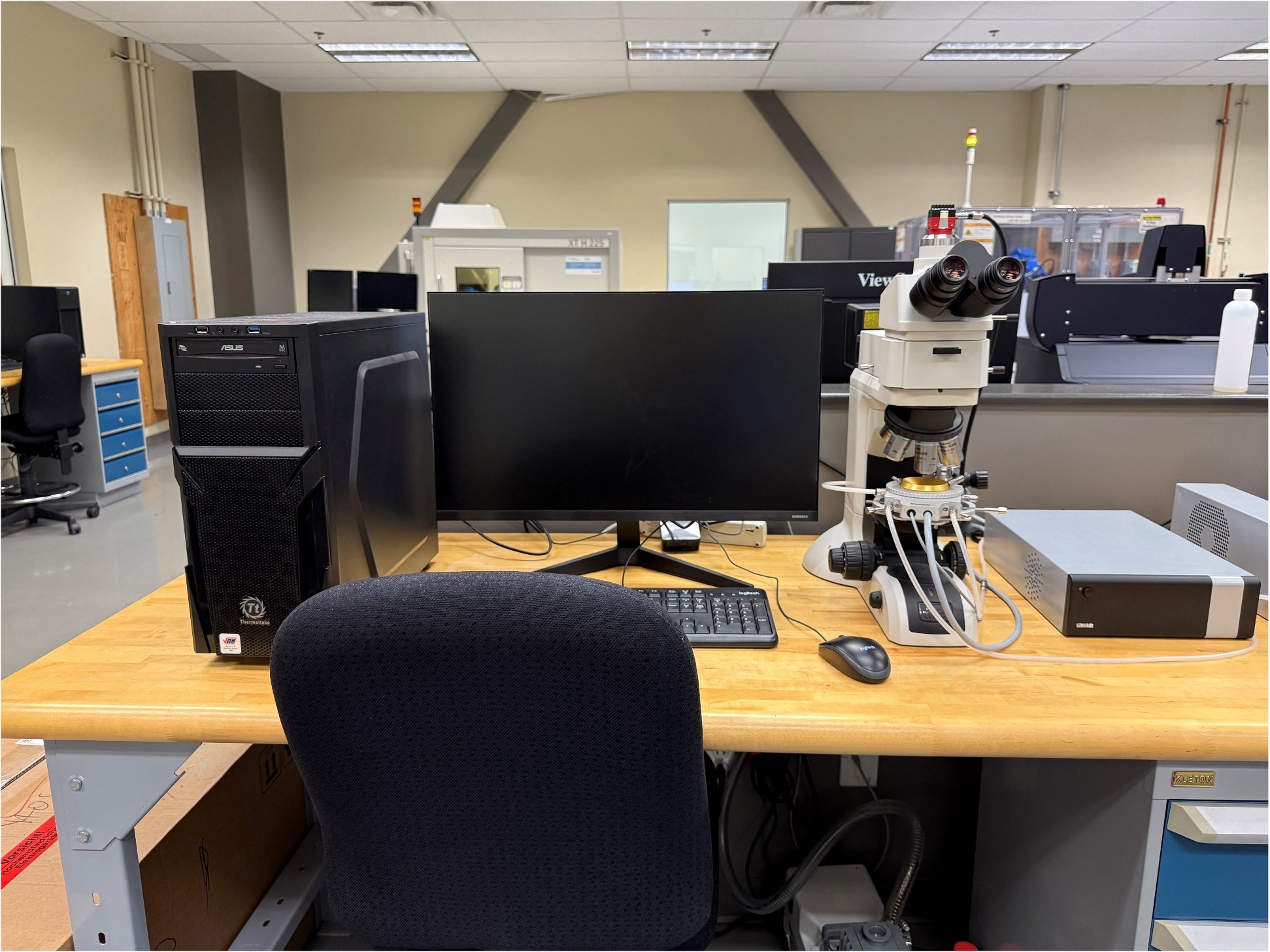
The Step 500 Nanoindentation System from Anton Paar is a high‑precision instrument for mechanical characterization at the micro‑ and nanoscale. It enables quantitative measurement of hardness, elastic modulus, and deformation behaviour with high spatial and force resolution.

The technique is based on controlled indentation of the sample surface using a diamond indenter tip while continuously recording load–displacement curves. Analysis of these curves provides access to fundamental mechanical properties using established models such as the Oliver–Pharr method. The high stability and load‑control capabilities of the Step 500 allow reliable testing of thin films, coatings, multiphase materials, and small microstructural features.

The system can be used to perform depth‑dependent mechanical profiling, phase‑specific property measurements, and localized mechanical testing. It is widely applied in materials science, metallurgy, surface engineering, and advanced manufacturing research, supporting investigations of microstructure–property relationships and validation of mechanical models at small length scales.

Step 500 Nanoindentation System Anton Paar

Hot stage linkam 1

Hot Stage Linkam

The Hot Stage from Linkam is a precision thermal platform designed for in situ observation of materials during controlled heating and cooling. It enables real‑time investigation of thermal, structural, and phase‑related phenomena under optical or electron microscopy.

The system allows accurate control of temperature, heating and cooling rates, and thermal cycling, providing a stable environment for observing temperature‑dependent material behaviour. When combined with imaging techniques, the hot stage enables direct visualization of phase transformations, melting and solidification, recrystallization, grain growth, and microstructural evolution.

This equipment is used to perform in situ thermal microscopy experiments, supporting fundamental studies of thermodynamic and kinetic processes in metals, alloys, polymers, and other advanced materials. It is widely applied in materials science research, metallurgy, and process development, where correlation between thermal history and microstructural response is required.

Hot Stage Linkam

Dsc ta instruments 2500 1

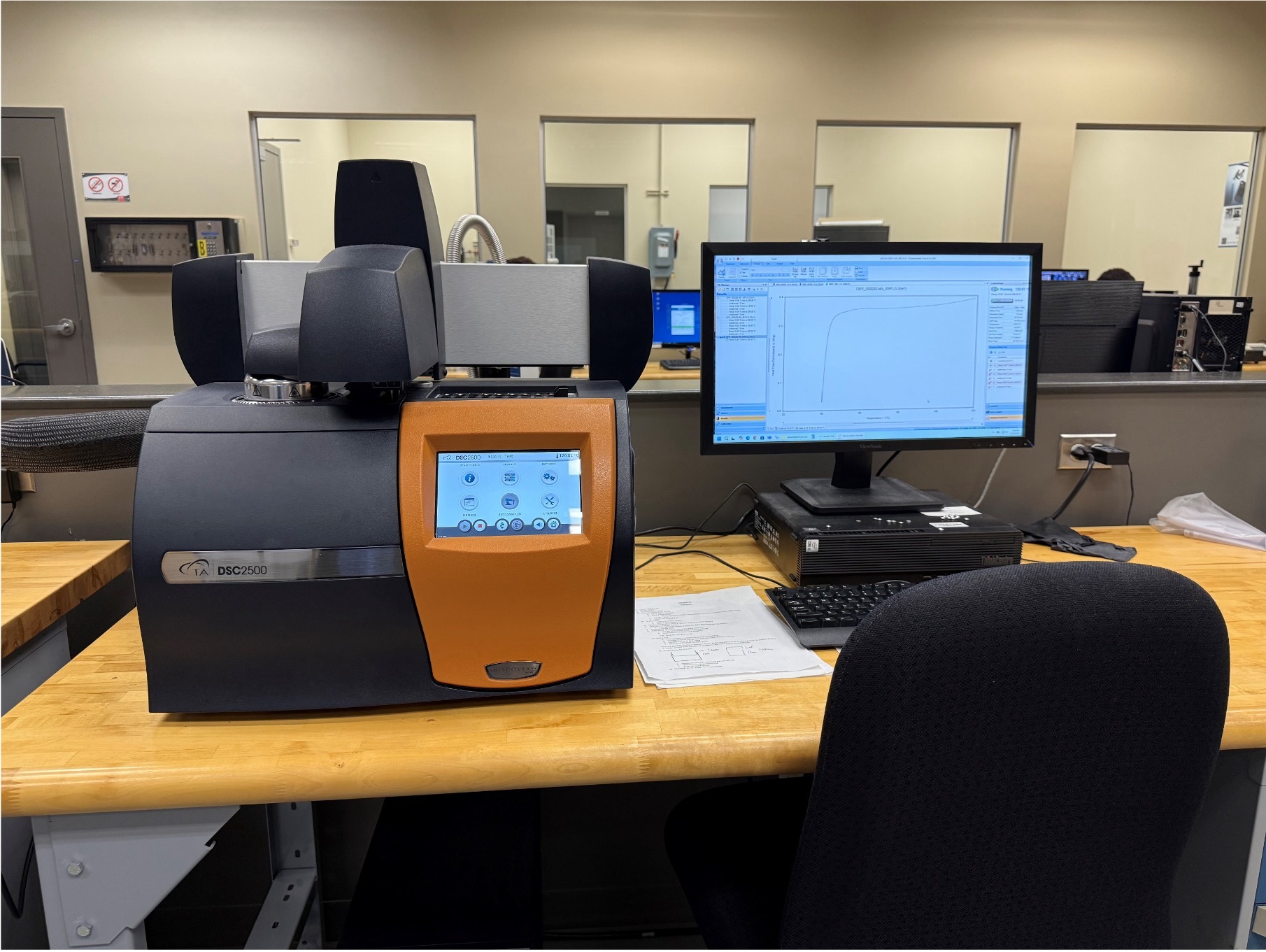
DSC 2500 TA Instruments

The DSC 2500 Differential Scanning Calorimeter (DSC) from TA Instruments is a high‑performance thermal analysis system designed for quantitative calorimetric characterization of materials. It enables precise measurement of heat flow as a function of temperature and time, providing direct insight into thermal transitions and thermodynamic processes.

The technique is based on comparing the heat flow between a sample and a reference subjected to a controlled temperature program. Changes in heat flow are associated with phenomena such as phase transformations, melting and solidification, glass transitions, precipitation reactions, and recovery processes. The high sensitivity and thermal stability of the DSC 2500 allow accurate detection of both endothermic and exothermic events.

This system can be used to perform transition‑temperature determination, enthalpy measurements, transformation‑kinetics analysis, and heat‑capacity evaluation. It is widely applied in materials science, metallurgy, polymers, and advanced manufacturing research, supporting investigations of process–structure–property relationships and validation of thermodynamic and kinetic models.

DSC 2500 TA Instruments

Hysitron pi 88 picoindenter 1

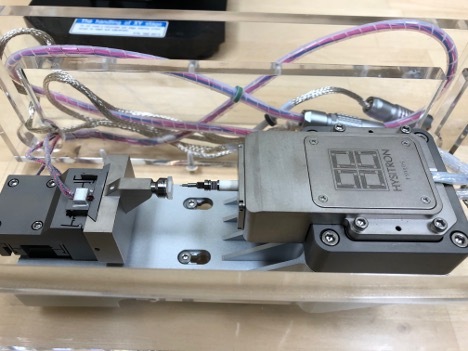
Hysitron PI 88 PicoIndenter

The Hysitron PI 88 SEM PicoIndenter is an in situ nanomechanical testing instrument designed for use inside an SEM. Nanoindentation studies using a Berkovich or Cube Corner indenter at room temperature or at elevated temperatures (up to 800 °C) can be performed with the PI 88 SEM PicoIndenter.

An enhanced loading limit of up to 100 mN is one of the unique specifications of this model.

Hysitron PI 88 PicoIndenter

Advanced manufacturing and 3D printing of alloys
Furnace pyradia 1

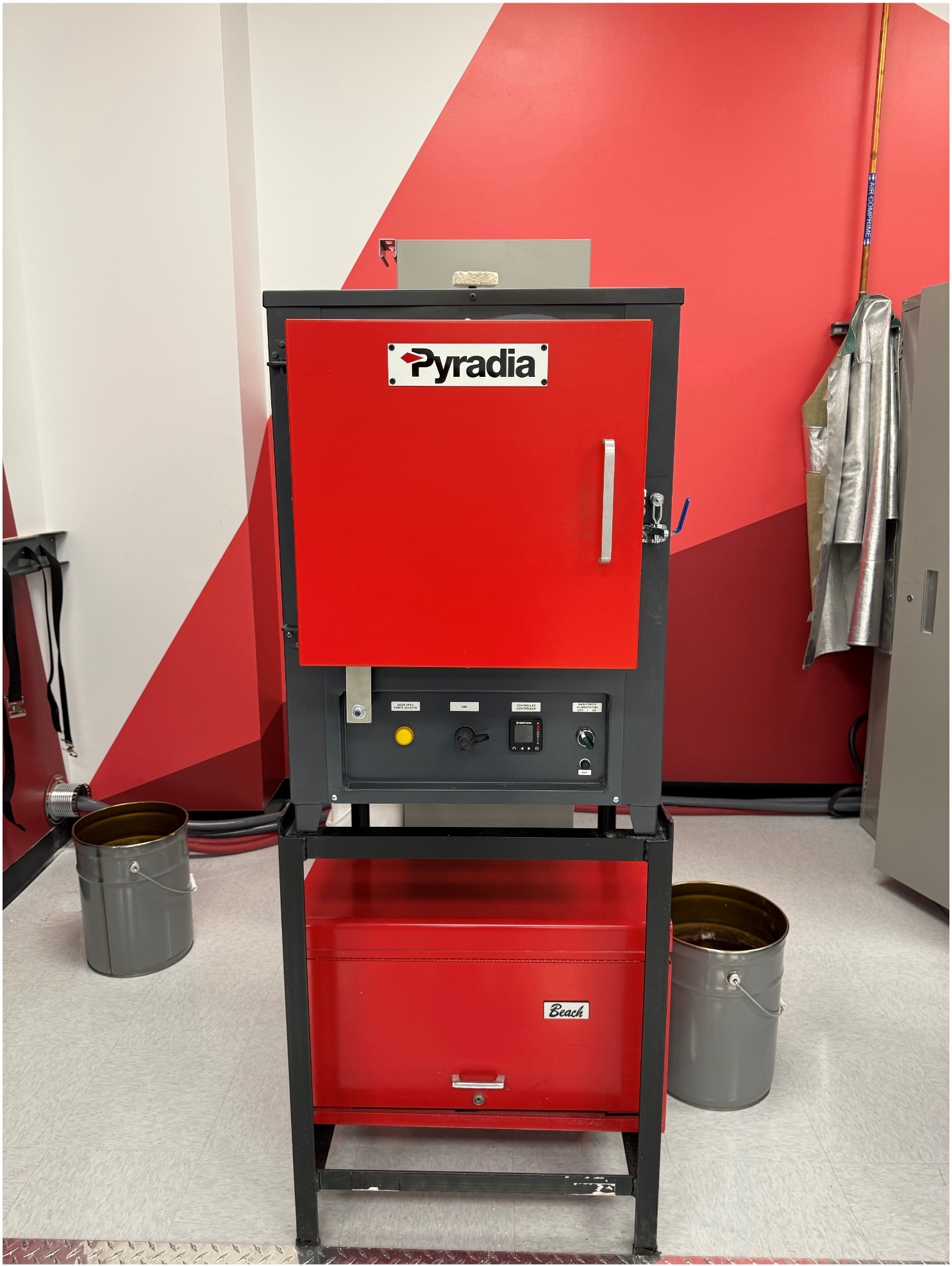
Furnace Pyradia

The Heat Treatment Furnace from Pyradia is designed for controlled thermal processing and heat‑treatment testing in research and industrial applications. It enables precise heating, soaking, and controlled cooling cycles with excellent temperature stability and uniformity.

This furnace can be used to perform a wide range of tests, including annealing, austenitizing, tempering, stress relieving, and solution heat treatments, depending on the material and process requirements. It is suitable for metals and alloys and supports microstructural analysis, property optimization, and validation of heat‑treatment parameters through reliable and repeatable thermal processing.

Furnace Pyradia

Vacuum tilting casting machine vtc series blue power 1

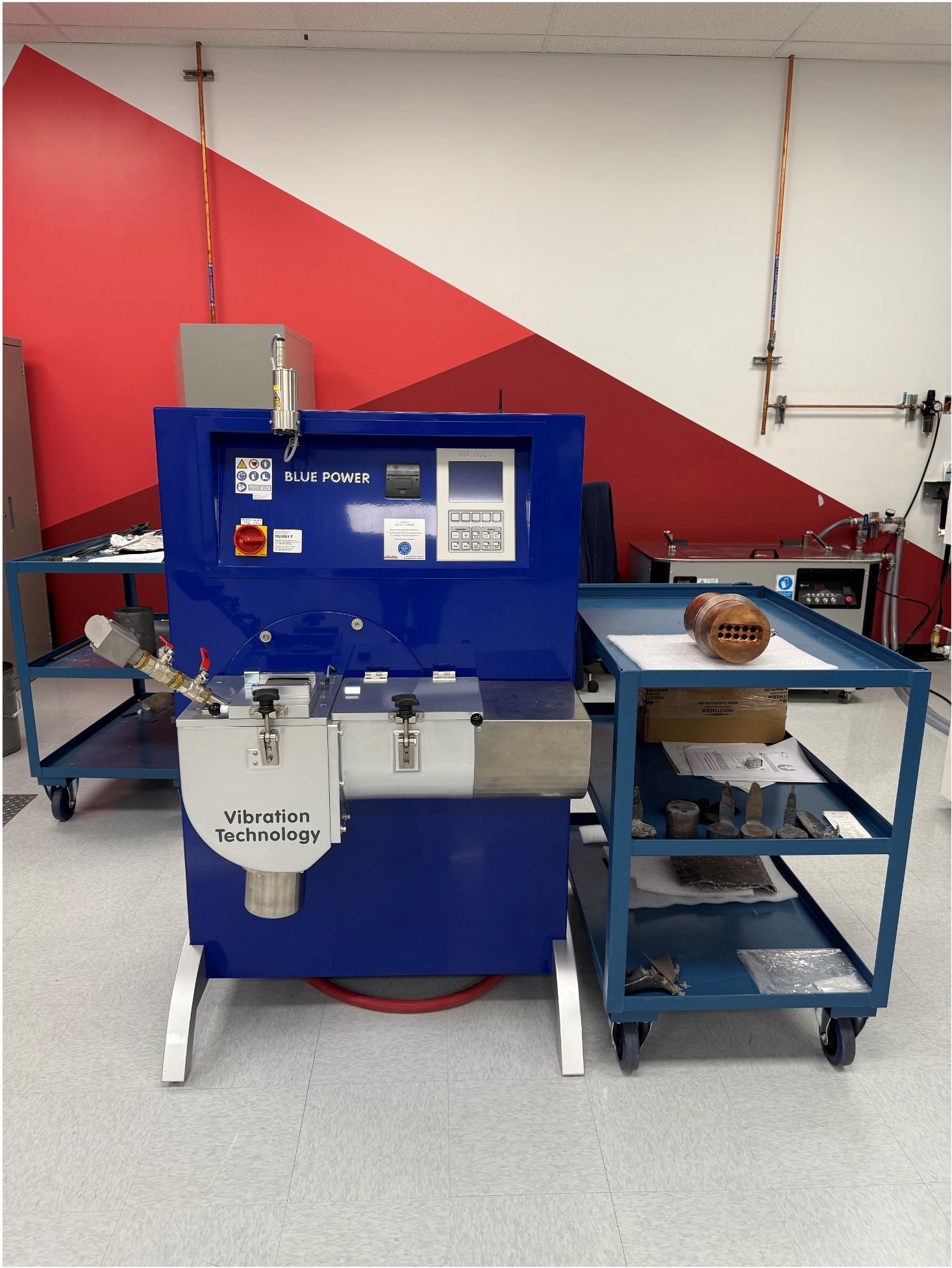
Vacuum Tilting Casting (VTC) Machine Blue Power
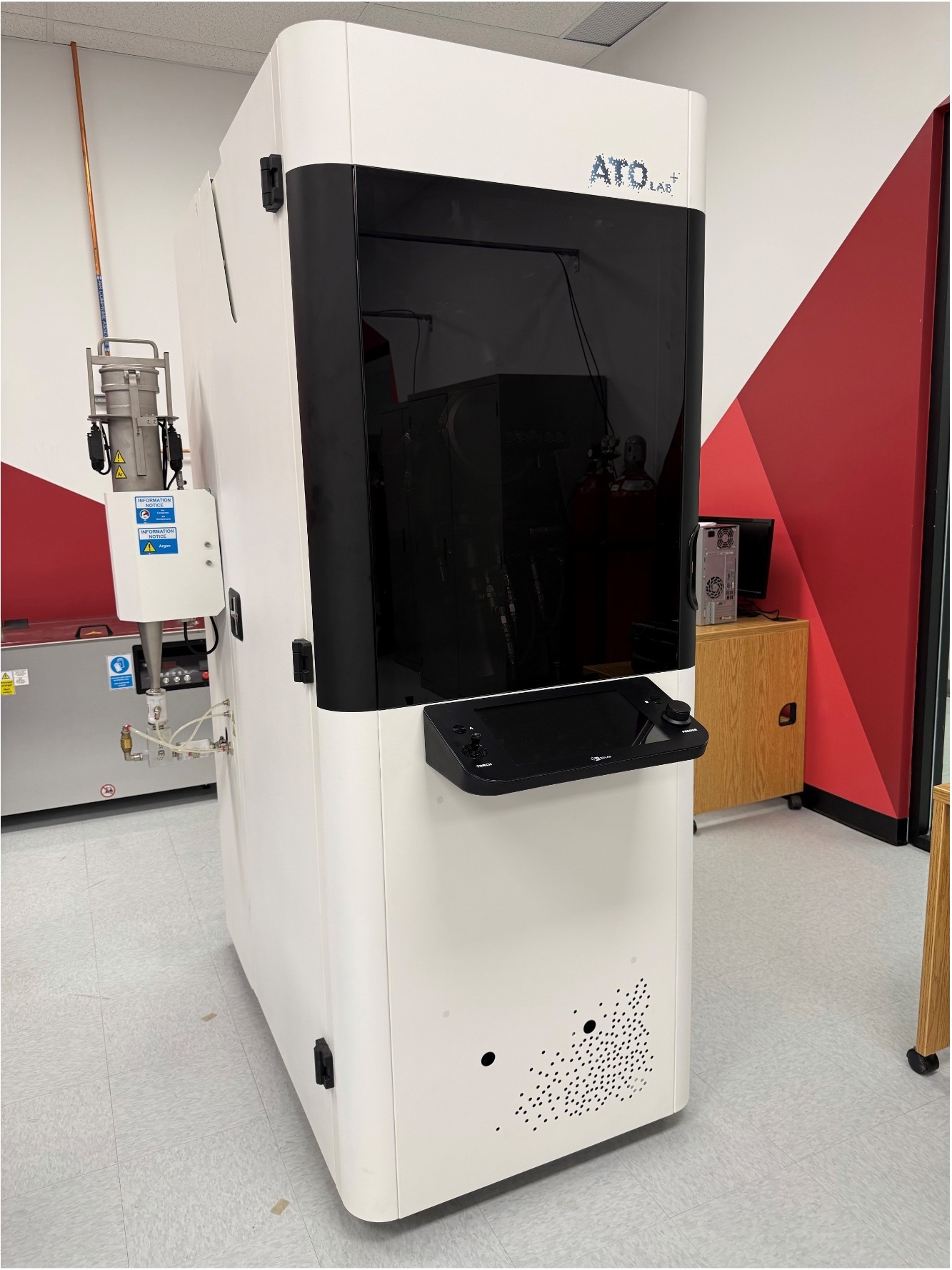
The Vacuum Tilting Casting (VTC) machine from Blue Power is designed for controlled metal melting and casting under vacuum or protective‑atmosphere conditions. The system provides precise control over the casting process, ensuring high reproducibility and excellent casting quality.

During operation, the metallic charge is placed in a crucible inside the furnace chamber, which is then evacuated or filled with an inert gas to limit oxidation and gas pickup. The material is heated until complete melting and thermal stabilization are achieved. Once the target temperature and atmosphere are reached, casting is performed using a smooth, controlled tilting mechanism that allows the molten metal to flow by gravity into the mold.

This controlled pouring method ensures stable metal flow, accurate mold filling, and reduced turbulence, leading to improved cleanliness and fewer casting defects. After pouring, the furnace returns to its initial position and the sample is allowed to solidify under controlled conditions.

The VTC machine can be used to perform vacuum casting tests, experimental casting trials, and solidification studies, and is well suited for producing high‑quality laboratory‑scale castings. It supports process development, material evaluation, and the optimization of casting parameters, particularly for materials requiring strict atmosphere control and precise pouring conditions.

Vacuum Tilting Casting (VTC) Machine Blue Power

Lab size ultrasonic metal powders atomizer 3dlab 1

Lab-size ultrasonic metal powders atomizer 3DLAB
The Lab‑Size Ultrasonic Metal Powder Atomizer from 3DLAB is designed for the production of metal powders at the laboratory scale for research and development applications.

In operation, molten metal is delivered to an ultrasonically vibrating nozzle, where high‑frequency mechanical vibrations break the liquid metal stream into fine droplets. These droplets rapidly solidify during free fall in a controlled atmosphere, forming metal powders with well‑defined particle characteristics. Process parameters such as melt temperature, ultrasonic frequency, and atmosphere can be adjusted to influence powder size and morphology.

This system is suitable for producing powders from a wide range of metals and alloys and is commonly used for:

  • additive manufacturing research
  • alloy development
  • powder characterization
  • feasibility studies

The laboratory‑scale design enables controlled experimentation and small‑batch powder production while minimizing material consumption.

Lab-size ultrasonic metal powders atomizer 3DLAB

Ultrasonic sieving station 3dlab 1

Ultrasonic Sieving Station 3DLAB

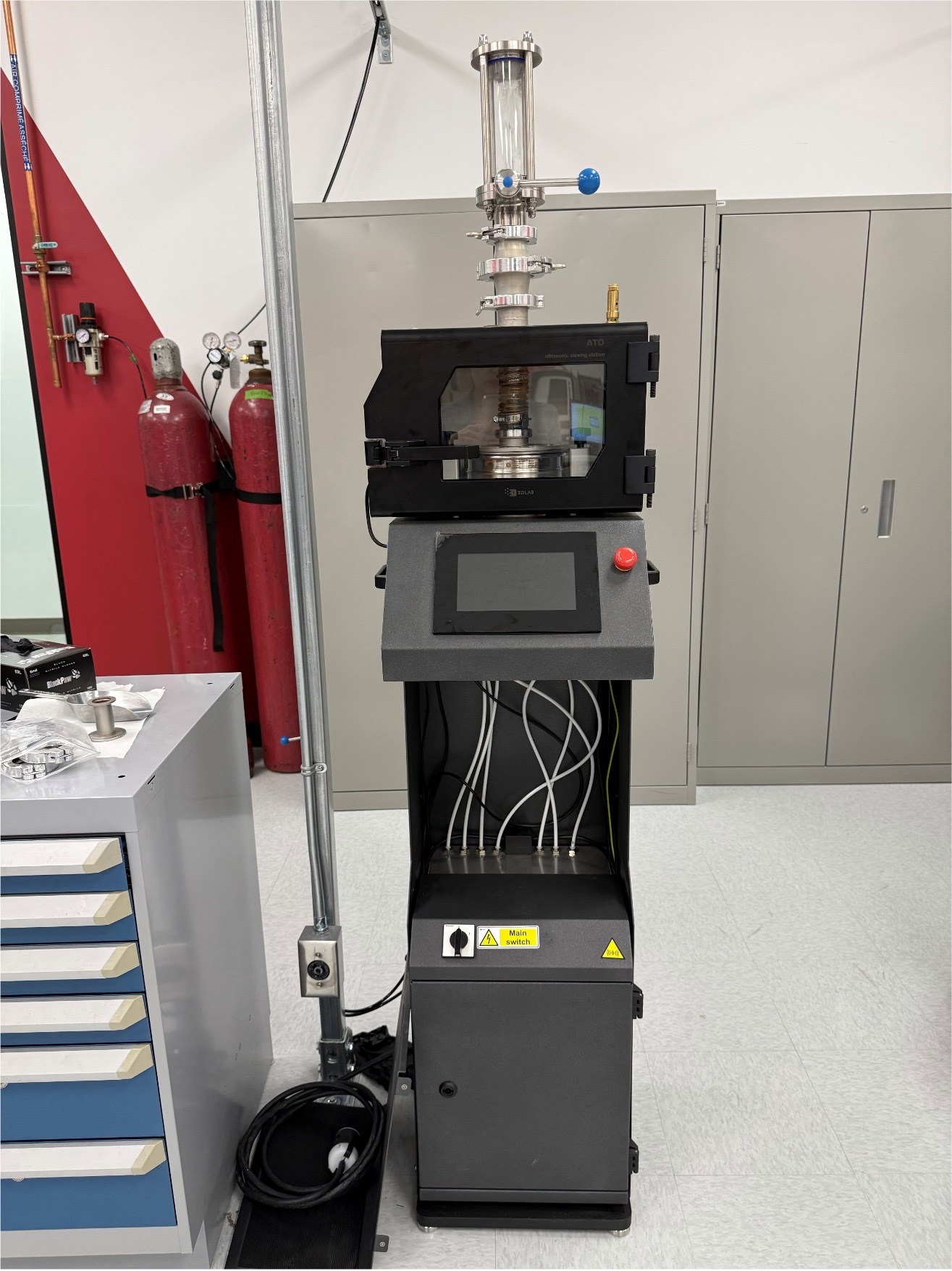
The Ultrasonic Sieving Station from 3DLAB is designed for the classification and particle‑size separation of powders, particularly fine metal powders used in research and additive manufacturing applications.

The system combines mechanical sieving with ultrasonic excitation, which prevents particle agglomeration and screen clogging during operation. Ultrasonic vibrations promote continuous powder flow through the sieve mesh, improving separation efficiency and repeatability, especially for fine and cohesive powders.

This equipment is used to perform powder‑sieving and size‑distribution tests, and supports reliable powder preparation for material characterization, process development, and quality assessment. It is well suited for laboratory‑scale operations where accurate and reproducible powder classification is required.

Ultrasonic Sieving Station 3DLAB

3d printer create 1

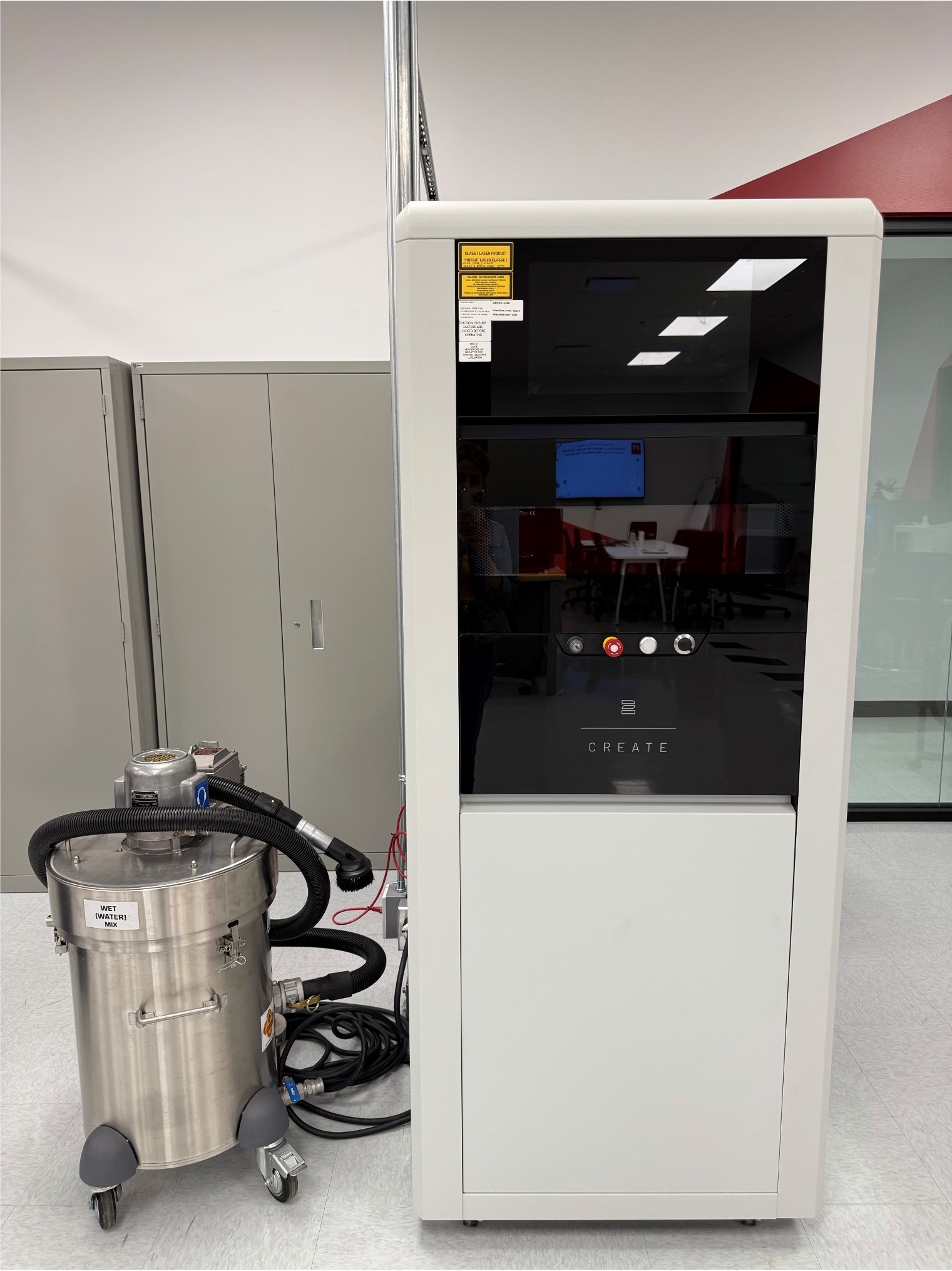
Imprimante 3D CREATE

The 3D Printer from CREATE is designed for additive manufacturing and prototyping of metallic and advanced‑material components at the laboratory scale. This system enables the fabrication of complex geometries directly from digital models, supporting research, material development, and process‑validation activities.

The printer operates by layer‑by‑layer material deposition, allowing precise control over geometry, build parameters, and processing conditions. It is suitable for producing test specimens, functional prototypes, and small components used in mechanical testing, microstructural analysis, and process optimization.

This equipment supports additive‑manufacturing trials, parameter development, and material qualification, and is well suited for research environments where controlled fabrication and repeatability are essential.

Imprimante 3D CREATE

Digital tools used to simulate forming processes

Ansys LS-DYNA 

This software allows thermal and mechanical analysis in small (Ansys) and large (LS-DYNA) strains. Both software programs are operational at ÉTS and have already been used to simulate shaping processes.

Abaqus

This software is well‑known in industry and academia for its versatility and its ability to simulate cold and hot deformations.

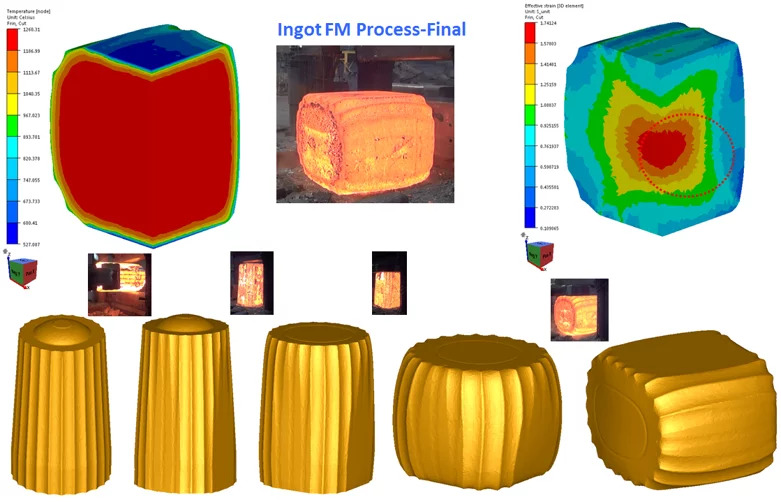
THERCAST and FORGE NxT

These two software programs belong to the Transvalor company, which develops two of the few tools used worldwide to simulate shaping processes. THERCAST is used to simulate casting and solidification structures, while FORGE NxT is used to simulate solid‑state forming processes (forging, rolling, extrusion) and heat treatment (quenching, tempering, annealing).
Outils numeriques simulation procedes de mise en forme 1